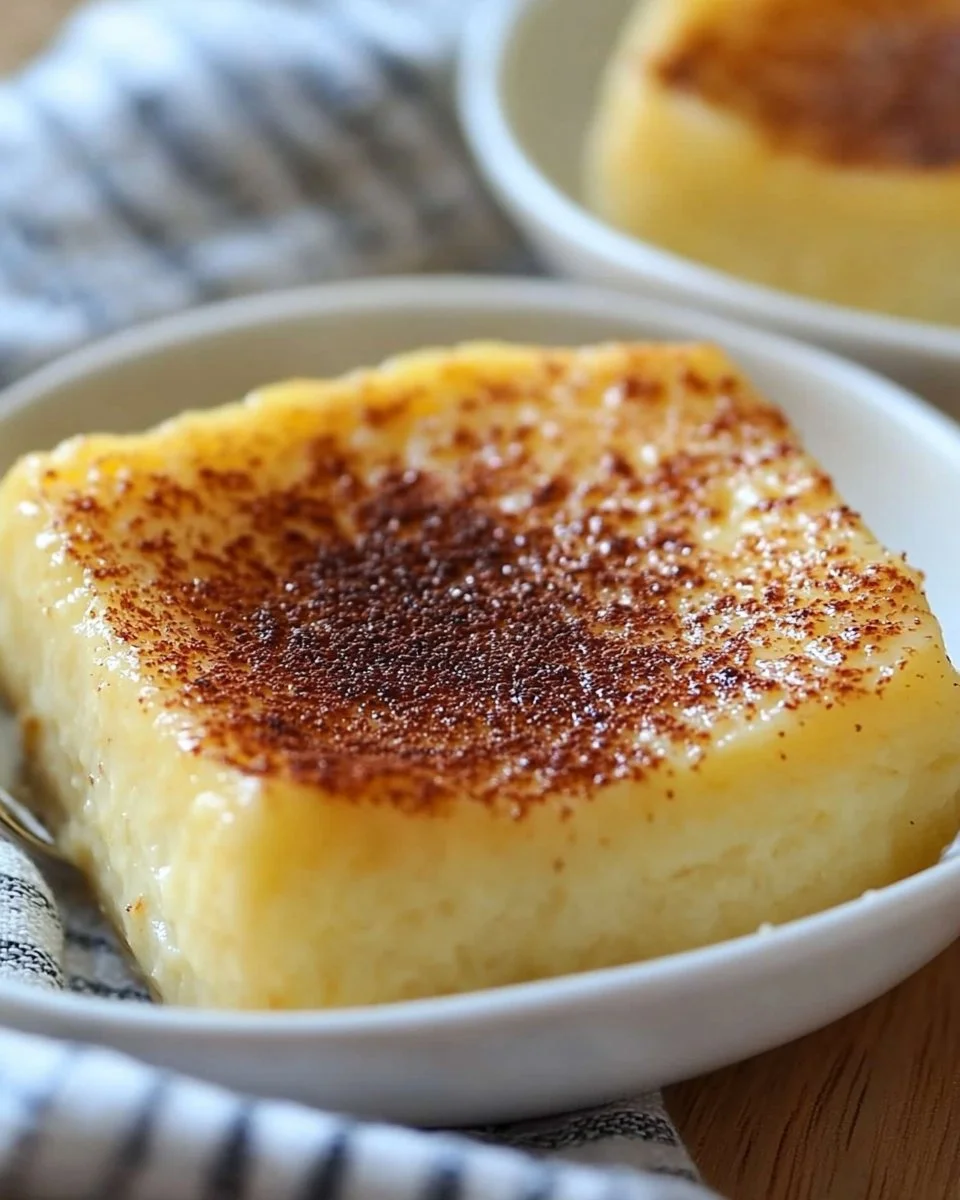
Fail-Proof Egg Custard is a delightfully creamy treat that wraps your taste buds in comfort. With its golden hue and silky texture, this custard brings a sweet aroma that fills your kitchen with warmth. It’s the perfect balance of delicate flavors, making it ideal for cozy family dinners or a casual get-together. What makes this recipe special is its simplicity—using just a handful of pantry staples, it’s both seasonal and sustainable. Treat yourself to this easy dish that everyone will love!
Why You’ll Love This Recipe
Whether you need a comforting dessert for a chilly evening or an elegant dish for a holiday gathering, this Fail-Proof Egg Custard fits the bill. It’s a breeze to whip up and delivers incredible flavor with minimal effort. The custard is versatile – serve it warm for a soothing dessert or chilled for a refreshing treat. Plus, its creamy texture and subtle sweetness make it a crowd-pleaser, guaranteed to delight both young and old.
Seasonal Ingredients Spotlight
For a fail-proof egg custard, the ingredients shine best when they are fresh and local. Eggs are rich in color, offering a vibrant, sunny yellow; granulated sugar brings a sparkling sweetness; and pure vanilla extract envelops the dish in its warm, aromatic embrace. The inviting texture of whole milk enhances the custard’s richness, while a sprinkle of nutmeg adds a lovely earthy note. Using seasonal and local ingredients not only heightens the flavor but also promotes sustainability, making your custard not just delicious but responsible, too.
What You’ll Need
- 4 large eggs – Choose fresh eggs for the richest flavor and smoothest texture.
- ⅓ cup granulated sugar – Sweet yet balanced, it helps create the custard’s delightful sweetness.
- 1 teaspoon pure vanilla extract – Opt for pure for the best aroma and taste.
- ⅛ teaspoon salt – Enhances flavor; don’t skip this step!
- 2 cups milk (2% or whole) – Whole milk will yield a creamier custard, while 2% is a lighter option.
- ⅛ teaspoon ground nutmeg (for topping) – Adds a lovely aromatic finish.
Feel free to substitute ingredients based on dietary needs, like almond milk or coconut sugar for a twist on texture and flavor!
How to Make This Recipe
1. Preheat the Oven
Preheat the oven to 350°F (175°C) while you prepare your ingredients. A well-heated oven ensures even cooking.
2. Prepare the Baking Dish
Lightly grease an 8×8-inch baking dish. This helps the custard release easily once baked, resulting in a smooth finish.
3. Mix the Base
In a large bowl, whisk the eggs, sugar, vanilla, and salt until smooth and light. The mixture should be creamy and frothy, inviting you closer with its sweet scent.
4. Warm the Milk
In a small saucepan, warm the milk over medium heat until it reaches about 180°F — just before simmering. This step infuses warmth into the custard, making it rich and velvety.
5. Temper the Eggs
Slowly pour the hot milk into the egg mixture in a thin stream while whisking constantly. This ensures the eggs don’t scramble but blend seamlessly into the creamy base.
6. Finish the Custard
Continue whisking for another minute until the custard base is smooth and creamy. You’ll know it’s ready when the mixture is glossy and holds together well.
7. Pour and Sprinkle
Pour the mixture into the prepared baking dish and sprinkle nutmeg evenly over the top for an aromatic touch.
8. Create a Water Bath
Place the baking dish inside a larger roasting pan and add about 1 inch of hot water to create a water bath. This technique helps cook the custard gently and evenly.
9. Bake to Perfection
Bake for 45–50 minutes, or until a knife inserted in the center comes out clean and the custard still jiggles slightly. Golden edges will form, while the center remains soft.
10. Cool and Serve
Remove from the oven and carefully take the dish out of the water bath. Let cool before serving. Serve warm for a cozy treat or chill in the fridge for a refreshing dessert.
Essential Tools
- Mixing Bowls – Glass or metal bowls work best for mixing.
- Whisk – A good whisk helps achieve a smooth custard base.
- Saucepan – A small saucepan for warming the milk is essential.
- Baking Dish – An 8×8-inch (or similar) dish is perfect for this recipe.
- Roasting Pan – Needed for creating the water bath.
Meal Prep & Storage Tips
To make ahead, you can prepare the custard base a day in advance and refrigerate it before baking. Store any leftovers in an airtight container in the refrigerator for up to 3 days. When reheating, gently warm it in the oven or enjoy it chilled. For longer storage, custard can be frozen, but texture may change slightly upon thawing.
Perfect Pairings
This custard pairs beautifully with a warm cup of vanilla chai or a chilled glass of berry-infused lemonade. Serve it alongside fresh fruit like berries or slices of poached pears for a contrasting texture. A dollop of whipped cream on top adds an extra layer of indulgence, elevating your dessert experience.
Nutrition Facts
- Calories: ~180 kcal
- Fat: 8 g
- Carbohydrates: 24 g
- Protein: 3 g
- Fiber: 1 g
- Sugar: 14 g
Avoid These Common Pitfalls
- Overcooked Custard: Keep an eye on the baking time, as overcooking can lead to a grainy texture. The custard should still jiggle slightly when removed from the oven.
- Scrambling Eggs: Pouring hot milk too quickly can scramble eggs. Always whisk constantly while adding the milk to avoid this mishap.
- Not Using a Water Bath: Skipping the water bath can result in uneven cooking, leading to dry spots in your custard.
Pro Tips for Best Results
- Use eggs at room temperature for a more cohesive blend.
- Whisk vigorously to incorporate air, lending a lighter texture.
- Add additional spices like cinnamon or cardamom for a unique twist.
- For a richer flavor, infuse the milk with a cinnamon stick or vanilla bean while it heats.
Recipe Variations to Explore
- Chocolate Custard: Add melted chocolate or cocoa powder to the egg mixture for a chocolate lover’s dream.
- Maple Variation: Swap granulated sugar for maple syrup for a deeper, more complex flavor.
- Fruit Infusion: Incorporate pureed fruits like mango or berries into the custard for seasonal flair.
- Savory Twist: Experiment with cheese and herbs for a non-sweet version to serve as a brunch dish.
Dietary Adaptations & Safety Info
This recipe contains allergens like eggs and dairy. For a vegan option, substitute eggs with silken tofu blended until smooth and use plant-based milk with a sugar alternative. Ensure all ingredients meet dietary needs to accommodate those with food sensitivities.
Frequently Asked Questions
Can I use a different baking dish?
Yes! You can use ramekins, a pie dish, or any oven-safe dish. Adjust the baking time accordingly – smaller dishes will cook faster, while deeper dishes may take longer. The key is to watch for the jiggle test and clean knife test.
How can I tell when the custard is done?
The custard should be set around the edges, and when shaking gently, the center should jiggle slightly but not be liquid. A knife inserted 1 inch from the edge should come out clean, and the internal temperature should reach 170-175°F (77-79°C).
Is it necessary to use a water bath?
While it’s not strictly necessary, a water bath helps achieve a creamier and more evenly cooked custard by providing gentle, moist heat. Without it, the edges may overcook while the center remains undercooked, and the texture may become grainy or rubbery.
Can I flavor the custard differently?
Absolutely! Experiment with different extracts (almond, lemon, orange), spices (cinnamon, cardamom, pumpkin pie spice), or citrus zest to create your desired flavor profile. You can also infuse the milk with tea leaves, coffee, or herbs before adding to the eggs.
How long will the custard last?
Properly stored in an airtight container in the refrigerator, egg custard will last 3-4 days. The texture and flavor can degrade over time, and it may develop a watery layer (syneresis) which is normal. Simply stir gently before serving.
Why did my custard become watery?
Wateriness can result from overcooking (which squeezes out moisture), undercooking (eggs not fully set), or natural separation during storage. To prevent: use precise measurements, cook gently in water bath, cool gradually, and store properly.
Can I make egg custard without an oven?
Yes! You can steam it on the stovetop or use a slow cooker. For steaming: pour into ramekins, cover with foil, place in steamer basket over simmering water for 15-20 minutes. For slow cooker: place covered dish in slow cooker with hot water halfway up sides, cook on low 2-3 hours.
What’s the difference between baked custard and stovetop custard?
Baked custard (like this recipe) is firmer and sliceable, cooked slowly in the oven. Stovetop custard (or pastry cream) is stirred constantly while cooking, resulting in a pourable sauce consistency. Baked custard uses whole eggs; stovetop often uses just yolks.
Can I reduce the sugar in this recipe?
Yes, you can reduce sugar to ¼ cup for a less sweet custard. Sugar affects texture and browning, so very low sugar may result in paler color and slightly different texture. For sugar-free, use erythritol or stevia but note texture changes.
Why is my custard grainy or curdled?
Graininess usually means the eggs overcooked. This happens if oven temperature is too high, water bath wasn’t used, or custard baked too long. To fix: strain through fine mesh sieve before baking next time. Once grainy, it cannot be fixed.
Final Thoughts & Next Steps
In summary, this Fail-Proof Egg Custard is a delightful, easy-to-make dessert perfect for all occasions. I encourage you to give it a try and share your experiences in the comments! For more delicious recipes, visit our dessert category page: {internal_link_1}.
Print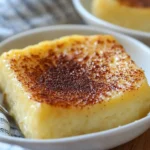
Fail-Proof Egg Custard
- Total Time: 65
- Yield: 4 servings 1x
- Diet: Vegetarian
Description
A delightfully creamy treat that’s easy to make, this Fail-Proof Egg Custard is perfect for cozy family dinners or casual gatherings.
Ingredients
- 4 large eggs
- ⅓ cup granulated sugar
- 1 teaspoon pure vanilla extract
- ⅛ teaspoon salt
- 2 cups milk (2% or whole)
- ⅛ teaspoon ground nutmeg (for topping)
Instructions
- Preheat the oven to 350°F (175°C).
- Lightly grease an 8×8-inch baking dish.
- In a large bowl, whisk the eggs, sugar, vanilla, and salt until smooth and light.
- In a small saucepan, warm the milk over medium heat until it reaches about 180°F.
- Slowly pour the hot milk into the egg mixture while whisking constantly.
- Continue whisking for another minute until the custard base is smooth and creamy.
- Pour the mixture into the prepared baking dish and sprinkle nutmeg on top.
- Place the baking dish inside a larger roasting pan and add about 1 inch of hot water.
- Bake for 45–50 minutes, or until a knife inserted in the center comes out clean.
- Remove from the oven, let cool, and serve warm or chilled.
Notes
Feel free to substitute for dietary needs, like using almond milk or coconut sugar.
- Prep Time: 15
- Cook Time: 50
- Category: Dessert
- Method: Baking
- Cuisine: American
Nutrition
- Serving Size: 1 serving
- Calories: 180
- Sugar: 14g
- Sodium: 100mg
- Fat: 8g
- Saturated Fat: 4g
- Unsaturated Fat: 3g
- Trans Fat: 0g
- Carbohydrates: 24g
- Fiber: 1g
- Protein: 6g
- Cholesterol: 186mg
Keywords: custard, dessert, easy recipe, fail-proof, comfort food