By Chef Peter | Bariatric Nutrition Specialist
📅 Published: January 25, 2026 | Last Updated: January 25, 2026
⏱️ Reading Time: 28 minutes
⚡ Quick Answer: What Is Natural Detox for Weight Loss?
Natural detox for weight loss means supporting your body’s existing detoxification systems (liver, kidneys, gut) through proven habits: adequate hydration, protein-rich meals, fiber intake, quality sleep, and daily movement. It’s not about miracle drinks or cleanses—it’s about sustainable habits that reduce bloating, stabilize hunger, and make fat loss easier without harming your health.
⏱️ Commitment: 7–14 days to feel better, 4–8 weeks for visible weight change
⚠️ Risk Level: LOW (if done safely)
🔬 Evidence Level: STRONG for the basics (hydration, protein, fiber, sleep, movement)
Perfect for: People tired of “detox tea” scams, anyone who wants real fat loss (not water-weight tricks), bariatric patients avoiding dangerous viral trends, and readers who want a clear plan that doesn’t wreck their body.
Imagine this: you’ve been eating “pretty okay,” you’re walking more, you’re trying to do everything right… and the scale still doesn’t move. Then you open TikTok or YouTube and see a “detox” drink promising 10–20 pounds in a week. It’s tempting. Especially when you feel stuck.
I’ve worked with bariatric patients and weight-loss clients for years, and here’s the uncomfortable truth: most “detox” advice online is either useless or dangerous. But—surprising but true—there is a version of natural detox for weight loss that works… because it’s not about flushing “toxins.” It’s about supporting the systems your body already uses to do the job: your liver, kidneys, gut, sleep cycle, and daily habits.
So let’s cut through the hype. In this guide, I’ll show you what detox actually means, what’s a scam, what’s safe, and a practical plan you can follow without harming your health. Whether you’re looking for a full body cleanse detox at home or wondering about the best way to detox your body in 24 hours, I’ll give you the truth—no tricks, no BS.
Quick Takeaways (Read This First)
- Your body already detoxes. Your liver and kidneys do it 24/7. “Detox” should mean supporting them—not stressing them.
- Most detox trends cause water loss, not fat loss. If you “lose 8 pounds in 3 days,” it’s usually fluids + digestion contents.
- Real fat loss comes from a consistent calorie deficit—and the right natural detox for weight loss approach can help you maintain it by reducing cravings, bloating, and fatigue.
- Don’t detox with extreme cleanses, laxatives, or baking soda protocols. They can cause dehydration, electrolyte issues, and rebound weight gain.
- The best approach is boring (and it works): hydration, protein, fiber, sleep, daily movement, and fewer ultra-processed foods.
What Detox Really Means (And What It Doesn’t)
Let’s be honest—”detox” is one of the most abused words in health marketing. Most people think detox means: “Drink something special and your fat melts.” That’s not how the human body works.
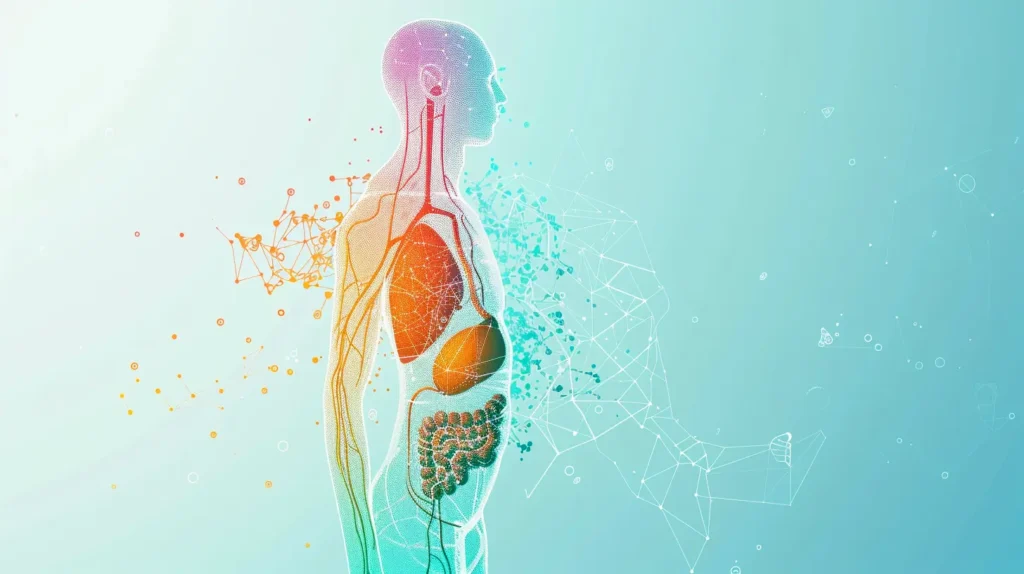
Real detox (the boring, medical-ish definition) is what your body does every day through:
- Liver: processes and breaks down substances for removal
- Kidneys: filter blood and remove waste in urine
- Gut: moves waste out and helps regulate inflammation
- Lungs: expel CO₂ (yes, you “detox” with every breath)
- Skin: a minor route through sweat (but not your main detox organ)
So when I say natural detox for weight loss, I’m not talking about flushing toxins. I’m talking about removing the stuff that overloads your system (ultra-processed foods, liquid calories, poor sleep, chronic stress) and adding the habits that make fat loss easier (protein, fiber, hydration, movement, consistent routine).
Here’s the thing: if you improve those basics, most people notice less bloating, better energy, more stable hunger, and better digestion—which makes it way easier to stay in a calorie deficit without suffering.
That’s the approach that actually works. Not a gimmick. Not a miracle drink. Just biology doing what it’s designed to do.
If you want deeper reading on how the body maintains balance and why extreme “alkaline” claims are misleading, the National Institutes of Health has a good overview of the body’s buffering systems and regulation: NIH overview on acid-base homeostasis.
Why Detox “Feels” Like It Works (Even When It Doesn’t)
People swear by detox protocols because they experience fast changes. But most of those changes aren’t fat loss. They’re usually one (or more) of these:
- Water-weight changes: sodium shifts, dehydration, lower carb intake, more urination
- Less bloating: fewer ultra-processed foods, less gas, more predictable digestion
- Lower calorie intake: many protocols accidentally cut calories (especially liquid sugar)
- Placebo + motivation: you “feel” like you’re doing something, so you behave differently
So yes—these methods can make the scale drop quickly. But if it’s from dehydration or low food volume, the weight returns the moment normal eating resumes. That’s why I hate “3-day miracle cleanses.” They create excitement… then rebound.
What we want is this: a reset that reduces cravings, improves digestion, and makes your diet easier to follow for weeks, not days. That’s where a proper natural detox cleanse approach comes in—one that’s sustainable and science-backed.
I had a patient—let’s call her Maria—who tried every viral cleanse she saw on Instagram. Lost 7 pounds in 3 days. Felt amazing. Then gained 9 pounds back in 5 days. Why? Because she went right back to her old patterns, plus her body was holding onto water after the dehydration stress. When we switched to a slower, supportive approach using the principles I’m sharing here, she lost 18 pounds in 8 weeks and kept it off.
What Actually Works for Natural Detox for Weight Loss
I’m going to give you the “boring five.” These are the fundamentals that consistently show up in successful weight loss programs—whether you call it detox or not. This is what a best full body detox cleanse should actually look like.
1) Hydration That Actually Helps (No Weird Powders Required)
Most people are mildly dehydrated, and it affects everything: hunger cues, energy, digestion, workouts, and even cravings. A simple move that genuinely supports weight loss is just… drinking enough water.
When people ask me what to drink to detox your body, my answer is boring: start with plain water. Your kidneys need adequate hydration to filter waste efficiently. According to the CDC’s guidance on water intake, most adults need more plain water than they’re currently getting.
Practical target: aim for pale-yellow urine most of the day. If you want a simple rule: start with 2 liters/day, then adjust for body size and activity.
My favorite morning habit: 16–20 oz water right after waking. If you like lemon, add lemon for taste. Just don’t pretend lemon is melting fat—hydration is the main win. This is one of the simplest ways to start a natural detox for weight loss routine.
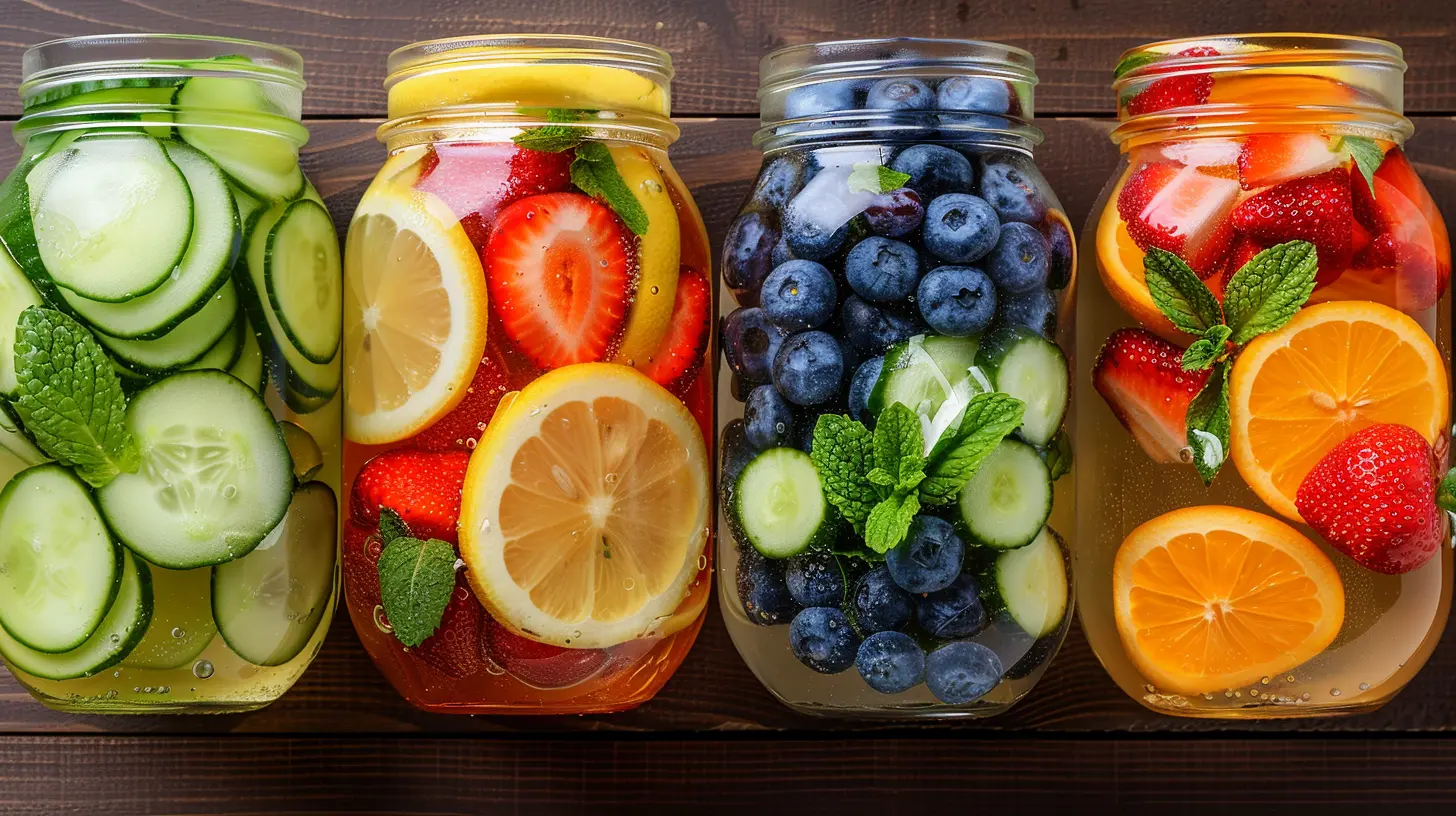
Other good options for what to drink: unsweetened herbal tea, green tea (mild caffeine, some antioxidants), black coffee (if tolerated), or water with cucumber/mint for flavor. Skip anything with added sugar or artificial sweeteners—those can trigger cravings. For more healthy beverage ideas, check out our healthy drinks and smoothies collection.

2) Protein First (The #1 “Detox” for Appetite)
If there’s one change that makes people say “wow, my cravings dropped,” it’s protein. Not because it’s magical—because it’s satiating and protects lean muscle while you lose fat.
Simple target: include a protein source at every meal. If you’re not sure where to start, aim for 25–35g protein per meal (adjust for your needs and medical guidance).
Good options: eggs, Greek yogurt, chicken, fish, lean beef, tofu/tempeh, legumes (if tolerated), or a protein shake if you’re busy. For bariatric patients especially, this is non-negotiable—protein supports healing and prevents muscle loss during any natural detox cleanse approach. Find protein-rich meal ideas in our main dishes collection.
Here’s what surprised me early in my career: when I had clients track their protein intake for just one week without changing anything else, most of them automatically reduced snacking and reported feeling fuller longer. Protein doesn’t “detox” in the trendy sense—it stabilizes blood sugar, reduces ghrelin (hunger hormone), and keeps you satisfied. That makes fat loss sustainable.
3) Fiber + Real Food (Your Gut Loves This “Detox”)
Ultra-processed foods can wreck hunger signals and digestion. A “detox” that works is simply shifting meals toward real food—especially fiber-rich plants. This is a core principle of how to remove toxins from body naturally: support your gut’s ability to eliminate waste efficiently.
Easy upgrades:
- Add a big salad or cooked veggies to lunch/dinner
- Swap sugary snacks for fruit + yogurt or nuts
- Choose oats, beans, lentils (if tolerated), potatoes, rice in reasonable portions over pastries and chips
- Aim for 25-35g fiber daily (gradually increase to avoid digestive upset)
Fiber supports digestion, helps regulate appetite, feeds beneficial gut bacteria, and makes calorie control easier without feeling punished. It’s also crucial for maintaining regular bowel movements—which is what many people actually want when they talk about “detox.”
One thing I tell all my clients: don’t go from 10g fiber to 35g overnight. That’s a recipe for bloating and gas. Add one serving of vegetables or fruit per day for a week, then add another. Your gut needs time to adjust. For more detailed nutrition guidance tailored to bariatric patients, check out the quick and healthy meals collection.
4) Sleep (The Most Ignored Weight Loss “Detox”)
When sleep is poor, hunger goes up, cravings go up, training quality goes down, and willpower disappears. If you want your body to “reset,” sleep is where it starts. This is crucial for any full body cleanse detox at home plan to work.
Simple target: 7–9 hours. If that sounds impossible, start with one rule: same wake time most days. Consistency matters more than perfection.
Poor sleep disrupts two key hormones: leptin (satiety) and ghrelin (hunger). When you’re sleep-deprived, your body literally thinks it needs more food for energy. I’ve seen clients break through weight-loss plateaus just by fixing their sleep schedule—no diet changes needed.
Quick sleep hygiene tips:
- Stop eating 2-3 hours before bed (especially heavy meals)
- Dim lights 60-90 minutes before sleep
- Keep bedroom cool (65-68°F is ideal)
- Limit caffeine after 2 PM
- Use blackout curtains or a sleep mask
5) Daily Movement (Not “Detox Workouts,” Just Real Life)
You don’t need brutal workouts to lose weight. In fact, extreme workouts often backfire because they increase hunger and injury risk. What works consistently is daily movement—especially walking.
Start here: add 2,000 steps to your current daily average. That’s it. Build from there.
Movement supports digestion, improves insulin sensitivity, reduces stress, and helps maintain a sustainable calorie deficit. It also literally helps your lymphatic system move waste products—so in a sense, yes, movement does support natural detox for weight loss.
I had a patient who couldn’t do traditional workouts due to joint issues. We focused purely on walking: 15 minutes after each meal. Within 6 weeks, her fasting blood sugar dropped 18 points, she lost 11 pounds, and her energy improved dramatically. No gym. No “detox shakes.” Just walking.

A Safe 7-Day Natural Detox Plan (That Supports Fat Loss)
This is the plan I’d use if I wanted a “reset” without messing up my health. It’s not a juice cleanse. It’s not starvation. It’s a structure that makes your body feel calmer—and makes weight loss easier to stick to. Think of this as a 7 day detox diet plan that actually works because it’s based on physiology, not marketing.
Reality Check: You might drop weight quickly in week 1 (bloat + water), but real fat loss shows up with consistency over weeks. The goal here is to make consistency easy.
Daily Rules (Do These Every Day for 7 Days)
- Water: 16–20 oz upon waking + sip through the day (target 2+ liters)
- Protein at each meal (don’t skip this—25-35g per meal)
- 2+ cups vegetables daily (more is fine, gradually increase)
- No liquid sugar (soda, sweet coffee drinks, “detox teas” with sugar)
- 10–30 min walking daily (preferably after meals)
- Sleep target: go to bed 30 minutes earlier than usual
- Eliminate ultra-processed snacks (chips, cookies, packaged pastries)
Day-by-Day Structure (Simple)
Day 1–2: “Remove the noise”
Cut ultra-processed snacks, sugary drinks, and late-night eating. Keep meals simple: protein + veg + a reasonable carb portion if you train or walk a lot. Focus on establishing the hydration habit. Many people feel a difference in energy just from cutting liquid sugar and adding morning water.
Day 3–4: “Stabilize appetite”
Add a protein-rich breakfast (or a protein shake if mornings are hard). Add fiber (fruit, oats, beans if tolerated). You’ll usually notice cravings calm down here. This is when the natural detox for weight loss approach starts feeling sustainable rather than restrictive.
Day 5–6: “Light structure + movement”
Keep meals consistent. Walk daily. If you lift weights, do light resistance training 2–3 times this week (keep it easy—focus on maintaining muscle, not crushing yourself). By now, digestion should feel more regular, bloating should be reduced, and energy should be more stable throughout the day.
Day 7: “Set the next 21 days”
Don’t “celebrate” with chaos. Choose one habit you’ll keep for the next month (protein breakfast, no liquid sugar, daily steps). That’s how the weight loss becomes real. I recommend clients pick their “non-negotiable”—the one habit that made the biggest difference—and commit to 21 more days.
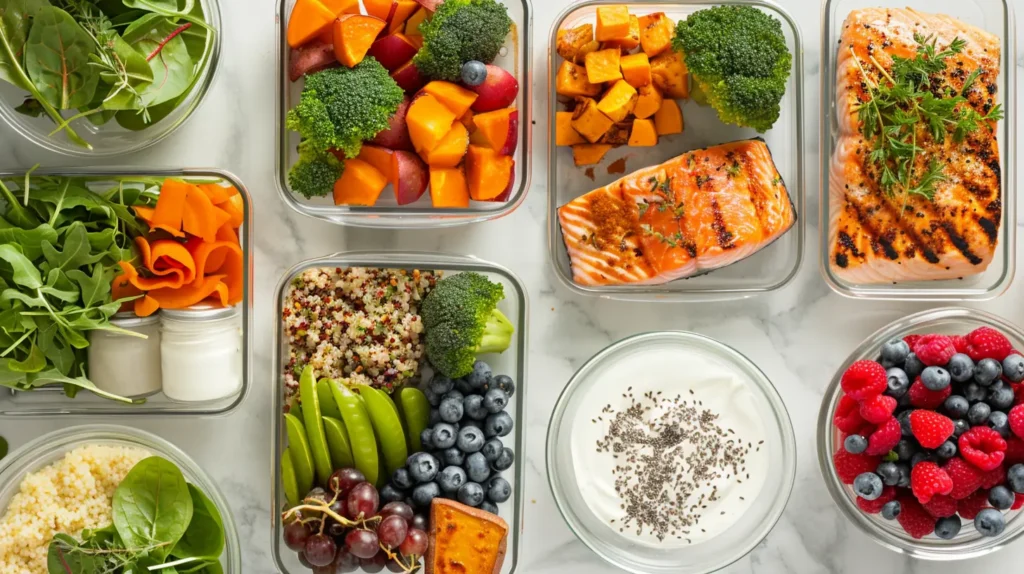
Sample Day Menu (No Starving)
Breakfast: Greek yogurt (plain, full-fat or 2%) + mixed berries + cinnamon + handful of nuts (or 2-3 eggs scrambled with spinach and tomatoes)
Mid-morning (if needed): 20 oz water, black coffee or green tea
Lunch: Grilled chicken or tuna salad bowl with mixed greens, cucumber, bell peppers, olive oil, lemon juice, and optional quinoa or chickpeas
Snack (if needed): Apple slices with almond butter, or a protein shake
Dinner: Baked salmon or lean meat + roasted vegetables (broccoli, carrots, zucchini) + small portion of sweet potato or brown rice
Evening: Herbal tea (chamomile, peppermint) if desired
Throughout day: Water, unsweetened tea, black coffee (if tolerated)
Total calories will vary by portion sizes and your needs, but this structure typically lands around 1,400-1,800 calories for most people—a reasonable deficit without feeling deprived. For more meal ideas that fit this approach, explore the quick and healthy meals collection at Meta Savory.
How to Remove Toxins from Body Naturally: The Science
Let’s get specific about how to remove toxins from body naturally—and by that, I mean supporting your body’s existing detoxification systems rather than trying to “force” something that doesn’t need forcing.
Your Liver Does the Heavy Lifting
Your liver processes everything: alcohol, medications, metabolic waste, environmental toxins. It does this in two phases. Phase 1 makes toxins more water-soluble. Phase 2 conjugates them (attaches other molecules) so they can be excreted via bile or urine.
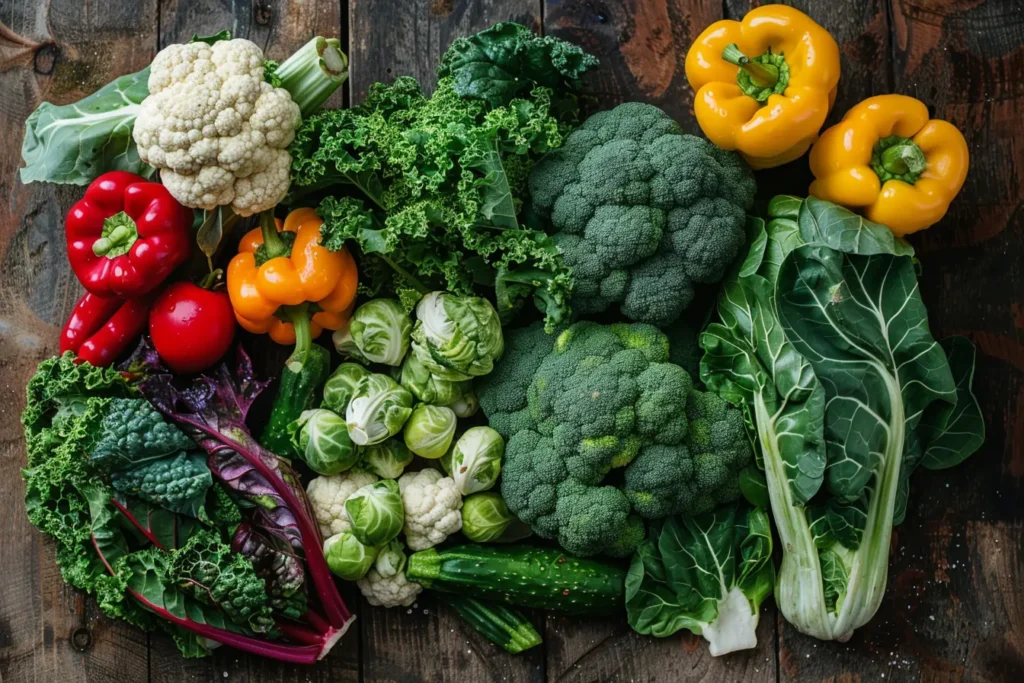
How to support this: adequate protein (provides amino acids for Phase 2), cruciferous vegetables (broccoli, cauliflower, Brussels sprouts contain compounds that support liver enzymes), staying hydrated, and avoiding excessive alcohol.
What doesn’t help: “liver cleanse” supplements, lemon water “liver flushes,” or extreme fasting. Your liver doesn’t need to be “cleansed”—it needs to be supported with good nutrition.
Your Kidneys Filter 24/7
Your kidneys filter about 120-150 quarts of blood daily, removing waste products and excess substances through urine. The National Institute of Diabetes and Digestive and Kidney Diseases explains this process in detail—it’s remarkable.
How to support this: adequate hydration (kidneys need water to concentrate and excrete waste), moderate protein intake (excessive protein can stress kidneys over time, especially if you have existing kidney issues), and managing blood pressure.
What doesn’t help: “kidney cleanses,” excessive water intake (more than needed can dilute electrolytes), or diuretic teas that force urination (this stresses kidneys rather than helping them).
Your Gut: The Forgotten Detox Organ
Your intestinal tract does more than digest food. It houses trillions of bacteria that influence inflammation, immune function, and even neurotransmitter production. When gut health is poor, you might experience bloating, irregular bowel movements, and increased systemic inflammation—all things people associate with needing to “detox.”
How to support this: fiber (feeds beneficial bacteria), fermented foods if tolerated (yogurt, kefir, sauerkraut), adequate water (helps move waste through the colon), and reducing ultra-processed foods that disrupt the microbiome.
What doesn’t help: laxative teas, colon cleanses, or excessive “cleansing” protocols that can strip beneficial bacteria and damage the gut lining.
The truth about how to remove toxins from body naturally is simple: eat real food, stay hydrated, sleep well, move daily, and avoid adding more toxins (excessive alcohol, smoking, unnecessary medications). That’s it. That’s the list.
Critical Safety Notes for Bariatric Patients
⚠️ If you’ve had bariatric surgery (gastric sleeve, bypass, SADI-S, or any procedure): please read this section carefully. Many popular detox trends are not just ineffective for you—they can be actively harmful.
In my experience working with post-op patients, the biggest risks come from liquid-only cleanses, detox teas, and extreme fasting protocols. These approaches can worsen dehydration, reduce protein intake, and increase muscle loss—exactly what you want to avoid.
Why Standard Detox Trends Are Dangerous Post-Surgery
- Protein is non-negotiable: Your priority is preserving lean mass. Skipping protein for “cleanses” slows metabolism and harms long-term results. After bariatric surgery, maintaining muscle mass is critical—you can’t afford to sacrifice protein for a trendy cleanse.
- Hydration must be structured: Many “detox” plans cause diuresis (extra urination). Post-surgical patients already struggle with hydration due to smaller stomach capacity. Adding diuretic effects can lead to dehydration, electrolyte imbalances, and feeling terrible. Sip consistently throughout the day—avoid large volumes at once.
- Don’t neutralize stomach acid: Your digestion is already altered. Anything that disrupts stomach acid (like excessive baking soda drinks) can impact nutrient absorption and how you tolerate food. Bariatric patients need every bit of nutrient absorption they can get.
- Avoid laxative-style detoxes: Post-surgical anatomy changes how your GI tract functions. Laxatives increase electrolyte imbalance, rebound water retention, cramping, and dependency. If you’re constipated, work with your medical team—don’t self-treat with viral cleanse protocols.
- Dumping syndrome risk: Many detox drinks are high in sugar or sugar alcohols, which can trigger dumping syndrome (rapid gastric emptying causing nausea, sweating, dizziness, diarrhea).
What a Safe “Reset” Looks Like for Bariatric Patients
The safest reset for bariatric patients looks very similar to the plan above: structured meals, adequate protein, fiber from tolerated vegetables, and gentle daily movement. If in doubt, always clear changes with your bariatric care team.
Bariatric-safe detox principles:
- Prioritize protein at every meal (25-35g depending on your stage and capacity)
- Hydrate between meals, not during (follow your program’s guidelines)
- Add vegetables gradually as tolerated
- Walk daily (even 10-15 minutes helps)
- Sleep 7-9 hours for optimal hormone balance
- Avoid all viral “detox” trends unless specifically approved by your surgical team
If you’re considering any extreme protocol (fasting, cleanses, baking soda, laxatives), ask yourself: “Would my surgeon or dietitian recommend this without hesitation?” If not—skip it. For safe, bariatric-friendly meal ideas, visit the Meta Savory homepage for recipes designed with your needs in mind.
The natural detox for weight loss approach I’ve outlined here is generally safe for bariatric patients because it focuses on supporting normal physiology rather than disrupting it. But always confirm with your medical team before making significant changes.
Detox Methods to Avoid (Scams + Risks)
Let me save you time (and possibly a hospital visit). These are the most common “detox” methods that do more harm than good:
1. Juice Cleanses
The claim: “Flood your body with nutrients and give your digestive system a break.”
The reality: Low protein, high sugar, minimal fiber, often 800-1000 calories/day. Yes, you’ll lose weight—mostly water and muscle. Hunger rebounds hard. Cravings spike. Most people regain the weight within days.
Better approach: Eat whole fruits and vegetables instead of juicing them. Keep the fiber. Add protein. Maintain sustainable calories.
2. Detox Teas / Laxative Teas
The claim: “Flush toxins and flatten your belly overnight.”
The reality: Most contain senna, cascara, or other stimulant laxatives. You lose water weight through diarrhea. Chronic use can cause electrolyte imbalances, dehydration, dependency (your colon stops working normally), and even heart arrhythmias in severe cases.
Better approach: If you’re constipated, increase fiber gradually, drink more water, walk after meals, and consider a magnesium supplement (after checking with your doctor).
3. Extreme Fasting for Beginners
The claim: “Give your body a break from digestion and activate autophagy.”
The reality: If you’re new to fasting, jumping into 3-5 day fasts can cause severe hunger, poor sleep, low energy, irritability, binge eating when you break the fast, and muscle loss. Autophagy does occur during fasting, but you don’t need extreme fasts to benefit—even 12-16 hour overnight fasts can be helpful.
Better approach: If interested in fasting, start with a 12-hour overnight fast (finish dinner by 7 PM, don’t eat until 7 AM). Build gradually. And only if it fits your lifestyle and medical situation.
4. Baking Soda “Fat Burning” Drinks
The claim: “Alkalize your body and burn fat faster.”
The reality: Your body tightly regulates pH. Drinking baking soda doesn’t change your blood pH significantly (your kidneys and lungs handle that). What it can do: cause gas, bloating, electrolyte issues, and in extreme cases, metabolic alkalosis (a dangerous condition). There’s no evidence it burns fat. When people ask about the best way to detox your body from drugs or other substances, baking soda is definitely not the answer.
Better approach: Focus on the fundamentals: hydration, protein, fiber, sleep, movement. Skip the gimmicks.
5. “Lose 10-20 Pounds in a Week” Anything
The claim: Magical rapid weight loss.
The reality: It’s usually water loss + glycogen depletion + low food volume in your GI tract. The moment you resume normal eating, the weight comes back. These protocols also often involve severe calorie restriction, which can slow your metabolism and trigger binge eating.
Better approach: Aim for 0.5-2 pounds per week of actual fat loss. It’s slower but sustainable and you’ll keep it off.
If you’re looking for the best way to detox your body in 24 hours, the honest answer is: you can’t. Real detoxification is a continuous process your body handles every moment. What you can do in 24 hours is kickstart better habits: drink water upon waking, eat a protein-rich breakfast, take a 20-minute walk, go to bed on time. That’s a much better 24-hour reset than any viral cleanse.

Natural Detox for Weight Loss Interactive Tools
Use these interactive tools to track your detox journey and measure your readiness
Detox Readiness Quiz
Answer these 5 questions to see if you’re ready for a sustainable detox approach:
1. Do you currently drink at least 6 cups (48 oz) of water daily?
2. Do you eat protein at breakfast most days?
3. Do you get 7+ hours of sleep at least 5 nights per week?
4. Do you walk or exercise at least 3 days per week?
5. Can you go 3+ hours between meals without intense cravings?
Your Score: 0/5
7-Day Progress Tracker
Print this or save it on your phone. Check off each habit daily:
| Habit | Day 1 | Day 2 | Day 3 | Day 4 | Day 5 | Day 6 | Day 7 |
|---|---|---|---|---|---|---|---|
| Morning water (16-20 oz) | |||||||
| Protein at each meal | |||||||
| 2+ cups vegetables | |||||||
| No liquid sugar | |||||||
| 10-30 min walking | |||||||
| 7+ hours sleep |
Progress Summary
Completed: 0 out of 42 checkboxes
Aim for 80% completion (34 out of 42 checkboxes). Perfection isn’t the goal—consistency is.
Daily Detox Checklist
Do these 5 things every morning for maximum impact:
Today’s Progress
Completed: 0 out of 5 tasks
Start your day with these 5 habits for maximum detox benefits!
These tools make the natural detox for weight loss process tangible and trackable. Most people underestimate how small consistent habits lead to big results.

Natural Detox for Weight Loss: What Actually Works (Backed by Science)
- Total Time: 5 minutes
- Yield: 1 large smoothie (16–20 oz) 1x
Description
A nutrient-dense green smoothie designed to support your body’s natural detoxification systems. Packed with fiber, protein, and hydration—this is the perfect breakfast for your 7-day natural detox plan. No gimmicks, just real whole foods that help reduce bloating and stabilize hunger.
Ingredients
1 cup fresh spinach or kale (packed)
1/2 cup cucumber, chopped (hydrating, low-calorie)
1/2 medium green apple, cored (fiber + natural sweetness)
1/2 frozen banana (creaminess + potassium)
1 scoop vanilla protein powder (25-30g protein)
1 tbsp ground flaxseed or chia seeds (omega-3s + fiber)
1 cup unsweetened almond milk or water
1/2 cup ice cubes
Juice of 1/2 lemon (vitamin C + flavor)
Optional: 1/4 avocado (healthy fats), fresh mint leaves (5-6), 1/2 tsp fresh ginger (anti-inflammatory)
Instructions
1. Add liquid (almond milk or water) to blender first to prevent sticking.
2. Add leafy greens, cucumber, apple, and banana.
3. Add protein powder, flaxseed/chia seeds, and any optional ingredients.
4. Squeeze in lemon juice and add ice cubes.
5. Blend on high speed for 45-60 seconds until completely smooth.
6. Taste and adjust: add more lemon for tang, banana for sweetness, or ice for thickness.
7. Pour into a large glass and drink immediately for maximum nutrient retention.
8. Optional: top with a sprinkle of chia seeds or fresh mint for presentation.
Notes
Protein is non-negotiable for satiety—don’t skip it or you’ll be hungry in an hour.
Use frozen banana for creamier texture without needing yogurt or ice cream.
Prep tip: Pre-portion ingredients in freezer bags for quick morning blending.
This smoothie keeps you full for 3-4 hours thanks to the protein and fiber combo.
Avoid adding fruit juice or honey—the apple and banana provide enough natural sweetness.
For bariatric patients: reduce portion to 8-12 oz and sip slowly over 20-30 minutes.
Nutrition supports liver function (greens), kidney filtration (hydration), and gut health (fiber).
- Prep Time: 5 minutes
- Cook Time: 0 minutes
- Category: Breakfast, Smoothie, Detox
- Method: Blending
- Cuisine: American, Health Food
Nutrition
- Serving Size: 1 smoothie (16 oz)
- Calories: 285
- Sugar: 18g
- Sodium: 180mg
- Fat: 7g
- Saturated Fat: 1g
- Unsaturated Fat: 5g
- Trans Fat: 0g
- Carbohydrates: 35g
- Fiber: 9g
- Protein: 26g
- Cholesterol: 0mg
Keywords: natural detox smoothie, green smoothie for weight loss, detox breakfast, protein smoothie, healthy smoothie recipe

Frequently Asked Questions
What is the best natural detox for weight loss?
The best natural detox for weight loss is a routine that supports your liver, kidneys, and gut without gimmicks: adequate hydration (2+ liters water daily), protein at each meal (25-35g), fiber-rich whole foods (vegetables, fruits, whole grains), 7-9 hours of quality sleep, and daily movement (especially walking). This approach reduces bloating, stabilizes hunger, improves digestion, and makes fat loss sustainable. Skip the detox teas, juice cleanses, and laxative protocols—they cause temporary water loss, not fat loss, and often trigger rebound weight gain.
Can detox drinks burn fat?
No, detox drinks don’t directly “burn fat.” What they can do (when they’re sensible, like water with lemon or green tea) is improve hydration, reduce hunger, and replace high-calorie drinks—making it easier to maintain a calorie deficit. The weight loss people experience from detox drinks is usually water weight from diuretic effects or reduced calorie intake overall. Real fat loss requires a sustained calorie deficit over weeks, not a magic drink. If someone claims a drink “melts fat” or causes rapid weight loss, they’re either lying or selling you dehydration.
How fast can I lose weight with a detox plan?
You might see fast scale changes in the first week from water weight loss and reduced bloating (2-5 pounds is common). Real fat loss is usually 0.5–2 pounds per week depending on your starting point, body size, calorie deficit, and consistency. If a plan promises 10-20 pounds in a week, that’s water, glycogen depletion, and food volume in your GI tract—not actual fat loss. Sustainable natural detox for weight loss focuses on building habits you can maintain for months, not creating dramatic but temporary changes that disappear when normal eating resumes.
Is a 3-day detox safe?
It depends on what you mean by detox. A 3-day “clean eating reset” focused on whole foods, adequate protein, vegetables, and hydration can be perfectly safe for most people. A 3-day juice cleanse, laxative detox, or extreme fasting protocol is a bad idea for most people—especially bariatric patients, anyone with medical conditions, pregnant/breastfeeding women, or people with a history of disordered eating. Short-term cleanses often cause hunger, fatigue, irritability, and rebound overeating. If you’re considering a 3-day protocol, ask yourself: can I maintain these habits after day 3? If not, it’s probably not worth doing.
What should I drink in the morning for weight loss?
Start with 16-20 oz of plain water—this supports hydration and kickstarts your metabolism. If you like, add lemon for flavor (but don’t expect it to “burn fat”). The best next step is not a drink—it’s eating a protein-rich breakfast (eggs, Greek yogurt, protein shake) within 90 minutes of waking so you don’t spend the whole day fighting cravings. Black coffee or green tea are fine if tolerated. Avoid sugary coffee drinks, fruit juices, and “detox smoothies” loaded with fruit and low in protein—those spike blood sugar and increase hunger later.
How to flush fat out of your body?
You can’t “flush” fat out—fat loss happens when your body burns stored fat for energy during a calorie deficit. Your body breaks down fat into fatty acids and glycerol, which are used for fuel. The byproducts are expelled through breathing (CO₂), urine, and sweat. To optimize this process, maintain a consistent calorie deficit through a combination of proper nutrition (adequate protein, fiber, and hydration) and daily movement. There’s no shortcut or “flush” method. Detox teas and laxatives don’t burn fat—they cause water loss and digestive upset. Focus on sustainable habits that support a calorie deficit over weeks and months.
Does a 3 day detox help you lose weight?
A 3-day detox might cause temporary weight loss (2-5 pounds), but most of it is water weight, glycogen depletion, and reduced food volume in your digestive system—not actual fat loss. Real fat loss requires sustained calorie deficit over weeks. If the 3-day protocol is extreme (juice cleanse, laxative teas, very low calories), you’ll likely experience hunger, fatigue, and rebound weight gain when normal eating resumes. A better approach: use 3 days to establish sustainable habits (hydration, protein breakfast, daily walking, no liquid sugar) and commit to continuing them for 30+ days. That’s when real, lasting weight loss happens.
How to 100% detox your body?
There’s no such thing as “100% detox”—your body is constantly detoxifying through your liver, kidneys, gut, lungs, and skin. These systems work 24/7 without needing special protocols. What you can do is support optimal function: stay hydrated (2+ liters water daily), eat adequate protein (supports liver detox pathways), consume fiber-rich foods (supports gut and regular bowel movements), get 7-9 hours quality sleep (when cellular repair happens), exercise regularly (supports circulation and lymphatic drainage), limit alcohol and smoking, and reduce exposure to unnecessary toxins (ultra-processed foods, excessive medications). That’s as close to “100% detox” as you’ll get—and it’s a lifestyle, not a 3-day cleanse.
How to flush weight quickly?
If you want to drop water weight quickly for an event (wedding, photo shoot), you can reduce sodium, increase water intake, cut carbs temporarily, and use gentle diuretics like coffee or dandelion tea. This might shed 3-7 pounds in 2-3 days—but it’s not fat loss, and it returns when normal eating resumes. For actual fat loss that lasts, there’s no “flush” method. You need a sustained calorie deficit over weeks: eat adequate protein to preserve muscle, create a moderate deficit (500-750 calories below maintenance), walk daily, sleep well, and stay consistent. Quick fixes create quick reversals. Sustainable habits create lasting results.
⭐ Save This Guide!
Don’t lose this complete natural detox for weight loss guide! Bookmark this page, pin it, or share it with someone who’s tired of detox scams and wants real, sustainable results. Check out more evidence-based nutrition guides at Meta Savory.
About Chef Peter
Chef Peter is a bariatric nutrition specialist with 15+ years of experience helping post-surgical clients and everyday readers avoid dangerous viral trends and build sustainable fat loss habits. His focus is practical, evidence-based nutrition that you can maintain without extreme protocols or gimmicks. Learn more about Chef Peter and the Meta Savory approach at our About page.
⚕️ Medical Disclaimer
This article about natural detox for weight loss is for educational purposes only and does not constitute medical advice. Always consult a qualified healthcare professional before making changes to your diet or lifestyle—especially if you are pregnant, breastfeeding, have kidney/heart conditions, take medications, or have had bariatric surgery. If you experience concerning symptoms during any detox protocol, seek medical attention immediately.
📌 Save this guide • 💬 Comment with your biggest detox question • 📧 Subscribe for evidence-based weight loss strategies
Related Articles & Resources
Healthy Drinks & Smoothies | Quick Healthy Meals | Weight Loss Nutrition Guide | Join Our Community