
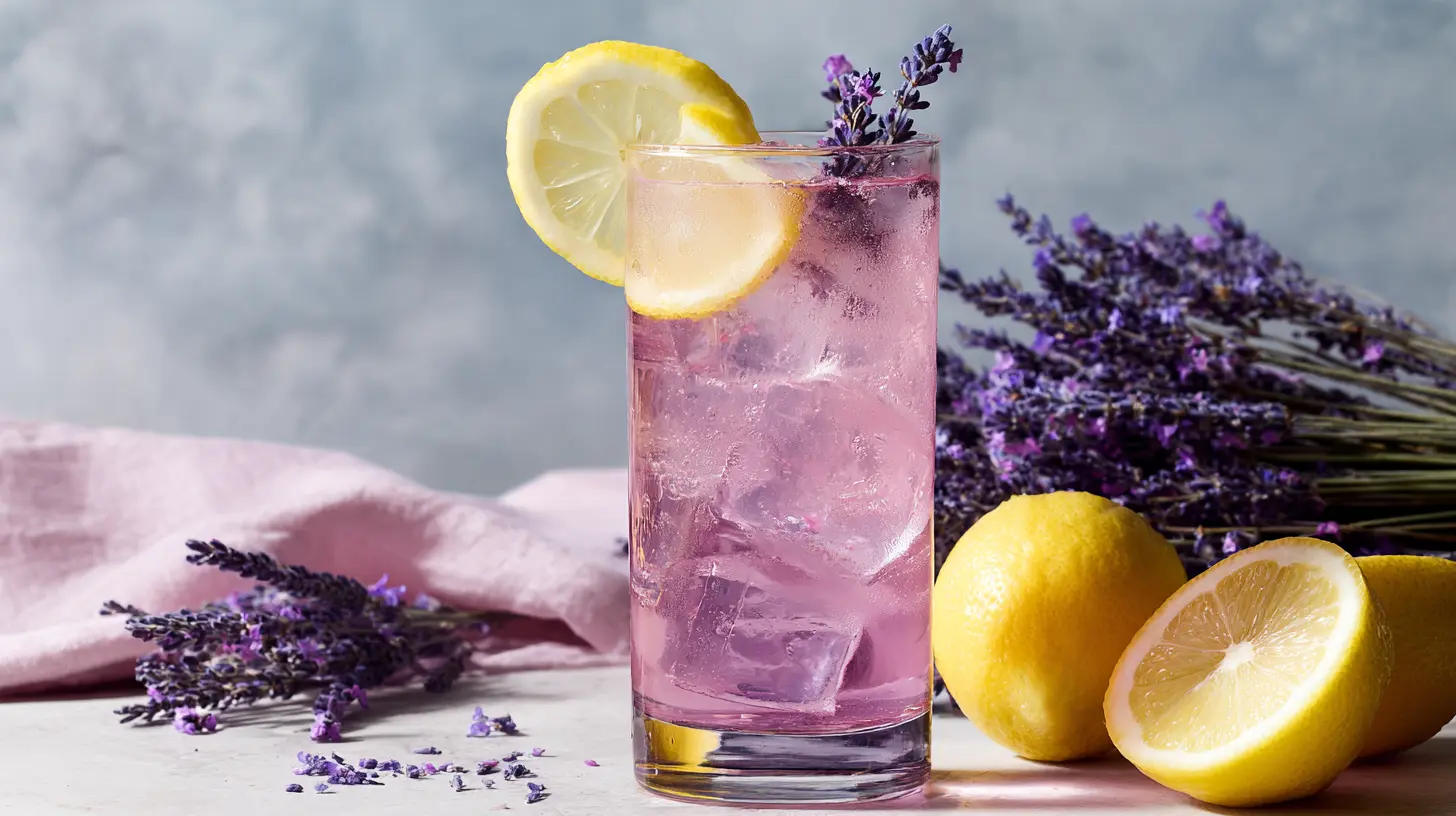
A lavender energy drink blends culinary lavender with a natural caffeine source (tea, matcha, yerba mate, or coffee) to create a smoother, calmer boost compared with standard sugary energy drinks. The floral aroma contains compounds such as linalool that may help reduce stress, while moderate caffeine enhances alertness and cognitive performance. This guide covers benefits, risks, ingredients, lavender energy drink recipes, research insights, and expert tips to help you choose or create the perfect lavender-powered beverage.
What Is a Lavender Energy Drink?
A lavender energy drink is a botanical functional energy drink that combines lavender—typically in the form of dried buds, infusion, extract, or syrup—with an energizing base such as green tea, matcha, coffee, yerba mate, or guayusa. This blend delivers a gentler, more centered type of stimulation compared with highly processed energy drinks that rely on synthetic caffeine and heavy sugar. Many people choose lavender-based drinks for their potential to support calm focus and reduce the jittery side effects often associated with caffeine overload, especially when they want a calming energy drink instead of a harsh boost.
Flavor Profile & Aromatherapy Impact
Lavender adds a soft, floral aroma and slightly sweet herbal flavor that can lean earthy or grassy depending on steeping time and lavender variety. High-quality recipes balance this floral note with citrus, vanilla, or natural sweeteners. Aroma matters, too: lavender’s scent contains active compounds such as linalool and linalyl acetate, which research has linked to relaxation and mood support through interactions with the nervous system. This creates a sensory experience that complements the stimulating effect of caffeine for a rounded “calm energy” profile that many people look for in a floral energy drink.
Natural vs. Artificial Lavender
Natural lavender beverages use culinary-grade buds, dried flowers, water infusions, or food-safe lavender extract. Artificial options may use synthetic flavorings and dyes to mimic lavender’s aroma or color. For cleaner, higher-quality drinks, look for labels that explicitly mention real lavender, botanical infusions, and low use of preservatives or artificial colorants, especially if you want a more natural energy drink made with botanicals.
Why Lavender Drinks Are Trending in 2025
Lavender drinks are growing rapidly because they align with the movement toward functional, mood-centric beverages that promise focus, relaxation, or sustained energy without harsh spikes. Social media has amplified the popularity of lavender lattes, lavender matcha, lavender lemonade, and DIY lavender energy drink recipes. This trend intersects with interest in adaptogens, herbal infusions, and natural caffeine sources—making lavender a perfect fit in today’s functional beverage landscape.
Health Benefits of Lavender Energy Drinks
The benefits of a lavender energy drink come from a powerful duo: soothing lavender plus a clean, caffeine-bearing base. Together they can deliver that rare mix of clear alertness and deep calm that most energy drinks miss. Scientific research on lavender’s impact on stress, mood, and nervous system responses is encouraging, especially when paired with mild, plant-based caffeine sources in an herbal energy drink.
Pros & Cons of Lavender Energy Drinks
| Pros | Cons / Risks |
| Gentle, balanced energy without the “crash” | Caffeine side effects possible if overconsumed |
| Lavender may reduce stress or tension (supported by studies) | Lavender flavor can become soapy if overly concentrated |
| Natural antioxidants from teas, citrus, and botanicals | Possible digestive upset or headaches in some individuals |
| No artificial additives if homemade | Store-bought versions may contain dyes or artificial flavors |
Stress Reduction & Calming Effects
Lavender has been used traditionally for calming and stress relief. Modern evidence also supports its potential anxiolytic effects: a meta-analysis published in 2022 found that lavender preparations—including teas and extracts—can significantly reduce stress and anxiety markers in certain populations. Its main compounds, particularly linalool, appear to interact with neurotransmitter systems involved in relaxation and mood regulation. When paired with caffeine, lavender may help soften jitteriness and promote a steadier, more focused energy state, making a lavender energy drink a popular stress-relief drink option.
Does Lavender Help With Focus?
By gently lowering stress responses, lavender may indirectly support concentration and cognitive performance. Studies exploring lavender inhalation have found improved accuracy, calm, and mental clarity in some contexts. When combined with moderate caffeine from tea or yerba mate, a lavender energy drink offers a balanced focus boost with fewer overstimulating effects than typical canned energy drinks, which is why many people see it as a mood-boosting drink as well as an energy beverage.
Antioxidant Properties
Lavender contains antioxidants, and popular energy drink bases like matcha, green tea, and citrus are naturally rich in polyphenols. These compounds help neutralize free radicals and support overall cellular health. Enjoying a lavender energy drink alongside a nutrient-dense diet may contribute to a broader wellness routine built around functional energy drinks and whole foods.
Lavender + Caffeine: Synergistic or Conflicting?
Caffeine increases alertness through central nervous system stimulation, while lavender may have calming, tension-reducing effects. Experimental research on lavender’s constituents suggests that linalool and linalyl acetate can modulate neurotransmitter activity and stress responses. Though specific studies on lavender + caffeine combinations are limited, the pairing appears promising for achieving alertness without excessive nervousness, which is exactly what many people want from a lavender caffeine drink.
Ingredients to Look For (Good vs. Bad)
The quality of a lavender energy drink depends heavily on its ingredient list. Some commercial options maintain clean, botanical formulas, while others rely on artificial additives or high sugar levels. Knowing what to look for helps you choose better everyday options and build a more natural energy drink routine.
Natural Caffeine Sources
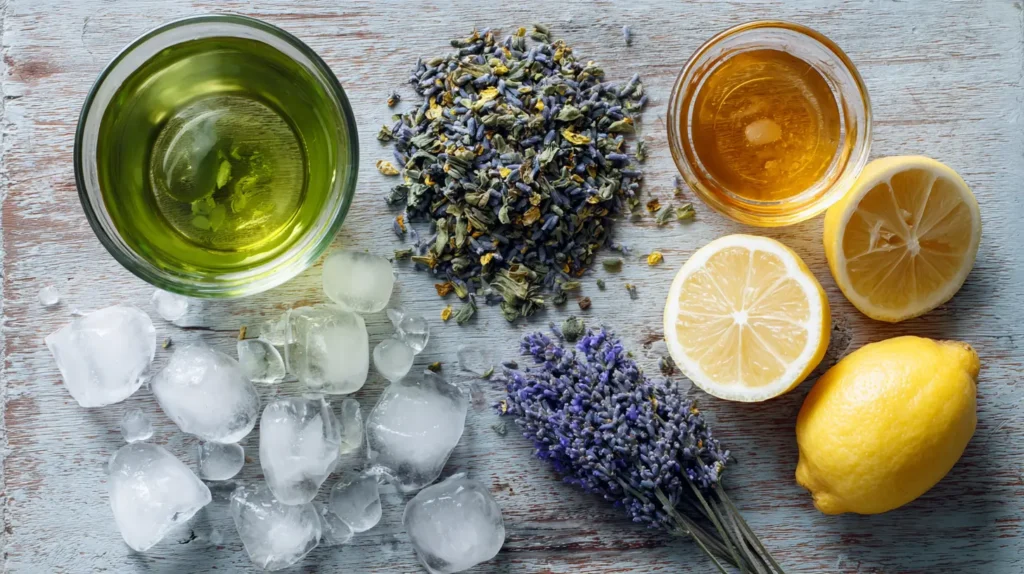
Look for energy sources from natural caffeine: green tea, matcha, oolong, yerba mate, guayusa, or cold brew coffee. These provide smoother stimulation along with additional beneficial compounds, such as L-theanine (in tea) or chlorogenic acids (in coffee). Avoid formulas relying solely on synthetic caffeine or undisclosed “energy blends” if your goal is a cleaner functional beverage.
Artificial Additives to Avoid
Avoid products that use artificial coloring, excessive preservatives, or vague “natural and artificial flavors.” Lavender’s natural color is subtle—not purple—and vibrant colors often indicate heavy dye use. Cleaner labels generally mean cleaner energy and a more wholesome botanical drink.
Sugar Levels, Sweeteners & Hidden Ingredients
High-sugar energy drinks can cause rapid spikes and crashes in blood glucose. Choosing a low-sugar or zero-sugar lavender energy drink sweetened with honey, stevia, or monk fruit supports more consistent energy and helps prevent mid-day crashes. This kind of low sugar energy drink strategy also makes it easier to enjoy lavender drinks regularly without feeling weighed down by sweetness.
How Lavender Energy Drinks Affect the Body
The body’s response to a lavender energy drink depends on caffeine content, individual tolerance, lavender concentration, and other ingredients. Most healthy adults tolerate moderate caffeine and lavender well, but effects vary. As always, consider personal sensitivities and medical conditions when adding any new herbal energy drink to your routine.
Short-Term Cognitive Boost
Caffeine from natural sources like tea or yerba mate improves alertness, reaction time, and performance during fatigue. Lavender’s calming aroma can create a steadier energy curve, providing focus without feeling overstimulated. Many people describe this combination as mentally refreshing and emotionally grounding, especially when they swap a standard energy drink for a more calming energy drink like this.
Potential Side Effects
Lavender may cause mild digestive issues or headaches in sensitive individuals. Concentrated lavender oils pose additional risks and should not be ingested unless specifically labeled as food safe. Excess caffeine can contribute to anxiety, rapid heart rate, digestive upset, or sleep issues. Start with a small serving and increase gradually to assess tolerance.
Safe Daily Consumption Levels
Health authorities recommend limiting caffeine intake to about 400 mg per day for healthy adults. For more detailed guidelines, consult the U.S. FDA’s resource “Spilling the Beans: How Much Caffeine Is Too Much?”. Monitor your combined intake from coffee, tea, soft drinks, and supplements when experimenting with any lavender coffee drink or tea-based energy beverage.
Best Lavender Energy Drinks You Can Buy
Finding the best lavender energy drink depends on taste, sweetness, caffeine level, and ingredient quality. Whether you’re choosing a bottled tea, sparkling botanical beverage, or flavored matcha, always read the label carefully and test a few varieties to determine what fits your lifestyle and preferences.
Top Brands
Choose brands that disclose caffeine levels, use real lavender or botanical extract, and avoid artificial dyes. Look for reviews mentioning balanced lavender flavor, smooth energy, and low bitterness. These factors usually indicate a well-formulated drink and a more premium floral energy drink experience.
Organic & Clean-Label Options
Organic lavender energy drinks sourced from ethically grown botanicals are ideal for those prioritizing clean, minimal-ingredient formulations. Clean-label products with recognizable ingredients—lavender, tea, citrus, and natural sweeteners—align best with plant-forward, wellness-focused lifestyles built around functional energy drinks instead of ultra-processed options.
Low-Calorie & Zero-Sugar Picks
If calorie or sugar reduction is your goal, choose drinks sweetened with monk fruit, stevia, or erythritol. Flavor profiles can vary depending on sweetener type, so experimenting with brands helps you find your preferred balance of sweetness, floral notes, and caffeine strength in a low-calorie lavender drink.
How to Make a Lavender Energy Drink at Home (Recipes)
Homemade lavender energy drinks offer total control over quality, caffeine strength, sweetness, and botanical balance. Always use culinary lavender and measure carefully—lavender can turn overpowering if steeped too long or used in excess. Starting with a simple lavender energy drink recipe at home is the best way to dial in your ideal flavor.
Lavender Matcha Energy Drink Recipe
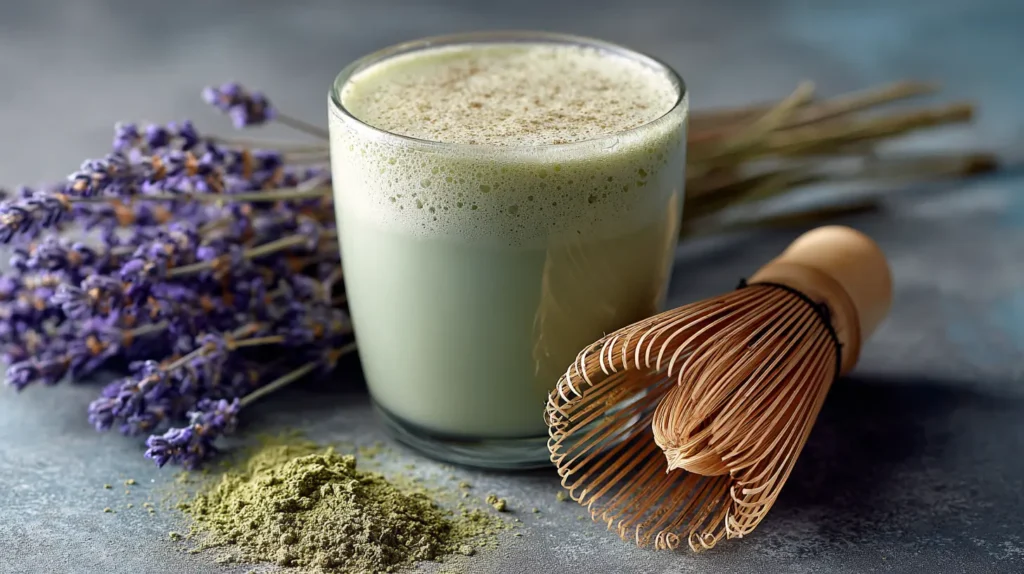
Combine a lavender infusion or lavender syrup with matcha, filtered water or milk, and a light sweetener for a lavender matcha drink that feels creamy and energizing. Matcha adds antioxidants, L-theanine, and a creamy green-tea flavor. Adjust lavender steeping time to balance floral notes. For additional matcha inspiration, try the pistachio matcha recipe on Meta Savory if you love the lavender matcha latte style of drinks.
Lavender Yerba Mate Recipe
A yerba mate–based lavender drink brings earthy depth and a sustained caffeine release. Blend brewed mate with lavender infusion, honey, or citrus to create a lavender yerba mate energy drink that’s both smooth and uplifting. Yerba mate contains xanthines similar to caffeine but offers a smoother, longer-lasting energy curve for many people.
Caffeinated Lavender Lemonade
This bright, refreshing beverage combines lavender syrup or tea with lemon juice, chilled water, and a tea- or coffee-based caffeine source to make a lavender lemonade energy drink. Modest sugar levels keep it functional instead of dessert-sweet. It’s a popular choice for warm weather and afternoon energy boosts.
Chef Peter’s Pro Tips & Secrets for the Perfect Lavender Energy Drink
Chef Peter has refined numerous lavender drink variations in a professional kitchen, focusing on balance, aroma, and texture. These chef-tested techniques elevate your lavender energy drink from simple to exceptional and help you develop your own signature botanical drink at home.
Signature Flavor Blueprint
This four-part blueprint ensures a harmonized lavender beverage: floral foundation, bright acidity, touch of sweetness, and energizing base. Each component should complement—not overpower—the lavender’s natural aromatics so your lavender coffee drink or tea-based energy drink stays balanced, not soapy or bitter.
- Floral: Culinary lavender buds, lavender infusion, or lavender syrup.
- Acidity: Fresh lemon, lime, or orange juice.
- Sweetness: Honey, simple syrup, agave, or natural zero-calorie sweetener.
- Energy source: Green tea, cold brew, matcha, yerba mate, or clean caffeine concentrate.
Chef Peter’s Secret Ingredients
To enhance the complexity of lavender drinks, Chef Peter uses subtle supporting ingredients that deepen aroma, soften bitterness, and make the beverage feel more layered and sophisticated.
- Vanilla extract: Adds warm sweetness and rounds lavender’s sharper notes.
- Citrus zest: Boosts aroma without increasing acidity.
- A pinch of sea salt: Balances bitterness from tea or coffee bases.
- Butterfly pea tea: Enhances color naturally for a purple-blue tint.
- Ginger: A touch of heat that brightens the profile and adds depth.
Step-by-Step: Chef Peter’s Classic Iced Lavender Energy Drink
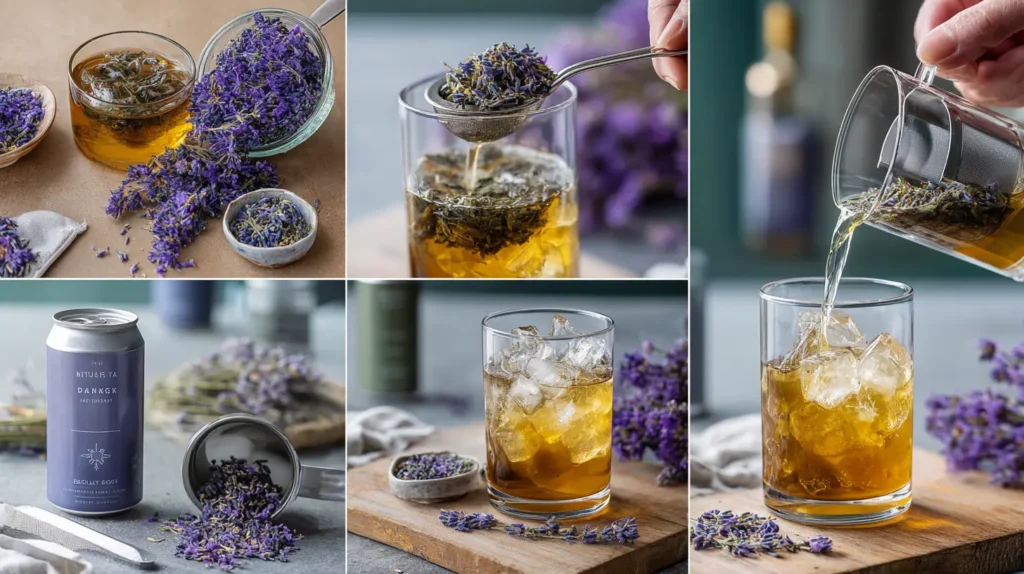
Use this streamlined, bar-style method for a consistently balanced iced lavender energy drink. The steps work with any caffeine base, from green tea to cold brew coffee, so you can adapt the method to almost any floral energy drink recipe you like.
- Brew the base: Make a strong batch of tea, coffee, or yerba mate. Chill fully.
- Make a lavender infusion: Steep 1–2 tsp lavender buds in hot water for 5–7 minutes. Cool.
- Create the sweetener: Mix equal parts hot water and your chosen sweetener until dissolved.
- Prepare the glass: Add ice, a few strips of citrus zest, and a pinch of fine sea salt.
- Combine: Add 60–90 ml lavender infusion + 120–180 ml base + 15–30 ml sweetener.
- Adjust: Taste and fine-tune with extra citrus, sweetener, or water.
- Garnish: Add fresh lavender, lemon slices, or edible flowers.
Advanced Variations from Chef Peter
After mastering the basics, try experimenting: use matcha instead of green tea, integrate adaptogens like ginseng, or add sparkling mineral water for an uplifting effervescence. These variations maintain the lavender core while expanding flavor possibilities across your favorite calming energy drink and botanical drink ideas.
Science & Safety Resources for Lavender Drinks
For authoritative information on lavender’s benefits and safety, visit the U.S. National Center for Complementary and Integrative Health (NCCIH) resource on Lavender: Usefulness and Safety. Explore NCCIH’s “Herbs at a Glance” series for additional botanical guidance.
Frequently Asked Questions
Is lavender safe to drink daily?
Lavender in typical food or beverage amounts is generally safe for most adults. However, individuals with allergies, sensitivities, or certain health conditions should consult a healthcare provider before consuming lavender beverages daily—especially if pregnant, breastfeeding, or taking medications, or if they plan to use a lavender drink for anxiety support long-term.
Does lavender interact with caffeine?
Lavender’s calming properties and caffeine’s stimulating effects can complement each other. While research on their combined interaction is limited, many people find the pairing more tolerable than strong coffee or commercial energy drinks. Start with a small serving to gauge your response to any new lavender caffeine drink.
Is lavender good for anxiety?
Several studies support lavender’s potential to reduce anxiety symptoms, particularly in tea or aroma-based applications. However, lavender drinks should be part of a broader wellness plan and not a replacement for professional mental health care.
Does a lavender energy drink really give you energy?
The degree of energy you feel depends on the caffeine source and your personal tolerance. Many drinkers report smoother, more sustained energy with lavender-caffeine blends compared to traditional energy drinks, especially those that use excessive sugar, so a lavender energy drink can be a more gentle option than a typical canned energy drink.
Who should avoid a lavender energy drink?
Anyone with lavender allergies, hormone sensitivities, caffeine intolerance, or certain medical conditions should consult a healthcare provider. Pregnant or breastfeeding individuals and young children should be cautious with concentrated lavender or caffeinated beverages, including lavender coffee drinks and strong tea-based lavender energy drinks.
Are lavender drinks good for you?
Lavender drinks made with moderate lavender, reasonable caffeine, and minimal sugar can be a pleasant part of a balanced diet and may support relaxation and calm focus, but they should not replace medical treatment or healthy sleep habits.
Who should not drink lavender tea?
People with known lavender allergy, certain hormone-sensitive conditions, or those advised to avoid specific herbs should not drink lavender tea without medical advice. Extra caution is recommended for pregnant or breastfeeding individuals and young children.
Are there any health benefits to drinking lavender?
Research suggests that lavender preparations, including teas and standardized extracts, can modestly reduce stress and anxiety and may support better sleep in some people. These effects are generally mild and work best as part of overall lifestyle changes. Check for more Benefits
What are the cons of lavender drinks?
Possible downsides of lavender drinks include digestive upset, headache, allergic reactions, and, with very strong or oil-based products, potential hormone-related effects. Sugary commercial drinks can also add excess calories and cause energy crashes.
Is the lavender Dutch Bros drink coming back?
Lavender flavors at Dutch Bros are usually limited-time promotions, so they may return seasonally but are not guaranteed. Check the current Dutch Bros menu or app in your area to see if a lavender energy drink or latte is available right now.
Does Caribou or Starbucks still have lavender drinks?
Both Caribou Coffee and Starbucks have offered lavender lattes and other lavender drinks as seasonal items, but availability changes by year and location. The fastest way to confirm is to check their apps or ask at your local store.
Does a lavender drink always have caffeine?
A lavender drink only has caffeine if it is made with coffee, espresso, black or green tea, matcha, yerba mate, or another caffeinated base. Lavender lemonades and steamed milk drinks flavored with lavender syrup can be made caffeine-free.
Does lavender itself contain caffeine?
Lavender flowers and lavender syrup do not contain caffeine. Any caffeine in a lavender energy drink comes from the tea, coffee, or other energy base you pair with the lavender.
How much caffeine is in a lavender latte or lavender energy drink?
The caffeine in a lavender latte or lavender energy drink depends on the base and serving size. A typical 12-ounce latte with one to two espresso shots has roughly 75–150 mg of caffeine, while tea or yerba mate versions are usually a bit lower per serving.
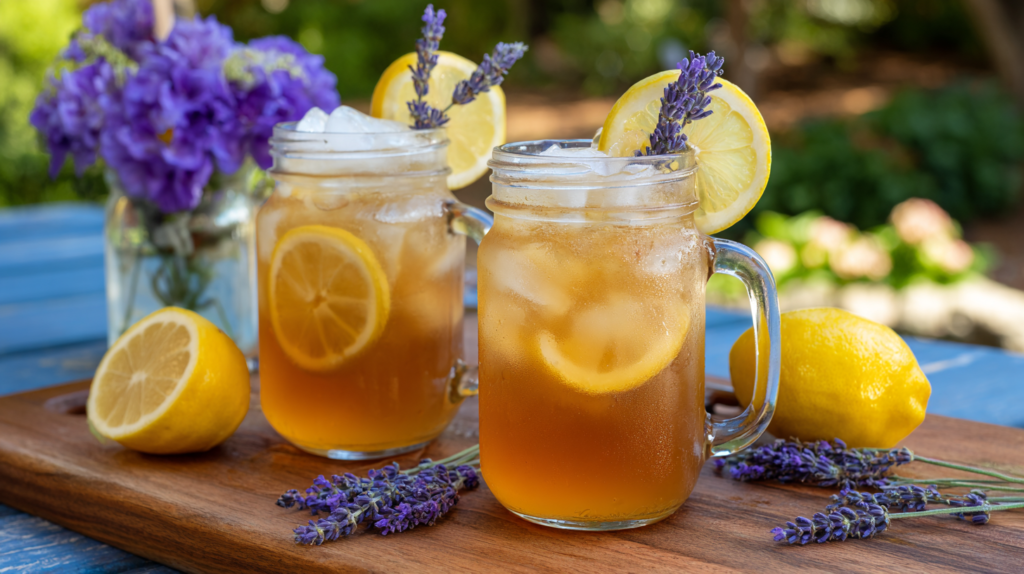
Final Thoughts
If botanical drinks excite your palate, a lavender energy drink is a sophisticated, functional choice that blends taste, aroma, and steady focus. For more creative beverage ideas, explore the drinks and smoothies collection on Meta Savory, featuring lattes, teas, and seasonal sips that pair naturally with lavender’s floral charm.
Print
Lavender Energy Drink
- Total Time: 15 minutes
- Yield: 1 serving 1x
- Diet: Vegetarian
Description
This lavender energy drink recipe blends culinary lavender, green tea or matcha, and light sweetness for a calm, focused lavender energy drink you can sip any time.
Ingredients
1 cup (240 ml) strongly brewed green tea, matcha, cold brew, or yerba mate, chilled
1/4 cup (60 ml) lavender infusion (see notes)
1–2 tablespoons simple syrup, honey, or agave, to taste
1–2 teaspoons culinary lavender buds (for making the infusion)
1 cup ice cubes
2–3 strips lemon or orange zest
Small pinch fine sea salt
Optional: 1–2 tablespoons milk or dairy-free milk for a creamier drink
Optional garnish: fresh lavender sprig, lemon slice, or edible flowers
Instructions
1. Brew a strong base by preparing green tea, matcha, cold brew coffee, or yerba mate, then chill it completely in the fridge.
2. Make the lavender infusion by steeping 1–2 teaspoons culinary lavender buds in 1/2 cup hot water for 5–7 minutes, then strain and cool.
3. Prepare a simple syrup if needed by stirring equal parts hot water and sugar or honey until dissolved, then let it cool.
4. Fill a tall glass with ice, add the strips of lemon or orange zest, and sprinkle in a small pinch of fine sea salt.
5. Pour the chilled tea, coffee, or yerba mate into the glass, then add the cooled lavender infusion.
6. Stir in 1–2 tablespoons sweetener, starting with less and tasting as you go, adjusting sweetness to your preference.
7. If you like a creamier lavender energy drink, top with a splash of milk or dairy-free milk and stir gently to combine.
8. Taste and adjust with extra citrus zest, more sweetener, or a splash of cold water if the flavor is too strong.
9. Garnish with a fresh lavender sprig, lemon slice, or edible flowers and serve immediately over ice.
Notes
To keep the flavor balanced, start with a light lavender infusion and increase the steeping time only if you want a stronger floral note.
You can swap green tea for matcha, cold brew coffee, or yerba mate to create different styles of herbal and floral energy drinks with the same basic method.
For meal prep, make a larger batch of base and lavender infusion, store them separately in the fridge for up to 3 days, and assemble your lavender energy drink fresh over ice when ready to serve.
- Prep Time: 10 minutes
- Cook Time: 5 minutes
- Category: Drinks
- Method: No-Bake
- Cuisine: American
Nutrition
- Serving Size: 1 glass
- Calories: 60
- Sugar: 12g
- Sodium: 50mg
- Fat: 0g
- Saturated Fat: 0g
- Unsaturated Fat: 0g
- Trans Fat: 0g
- Carbohydrates: 15g
- Fiber: 0g
- Protein: 1g
- Cholesterol: 0mg
Keywords: lavender energy drink, calming energy drink, herbal energy drink



4 thoughts on “Lavender Energy Drink”