Reading the label is the fastest way to understand what’s in a lavender energy drink, but ingredient lists can be crowded with extracts, “energy blends,” and marketing buzzwords. Knowing the core lavender energy drink ingredients—how lavender is added, where the caffeine comes from, and which extras actually matter—helps you choose cleaner options and skip the formulas that do not fit your goals.
This guide breaks down the main lavender energy drink ingredients into four parts: lavender extract versus essential oil, natural caffeine sources like yerba mate, guayusa, and green tea, popular adaptogens and nootropics, and the sweeteners that balance flavor. By the end, you will have a clear picture of what’s in a lavender energy drink and how those choices connect to benefits and side effects discussed in your other articles.
Lavender Extract vs Essential Oil
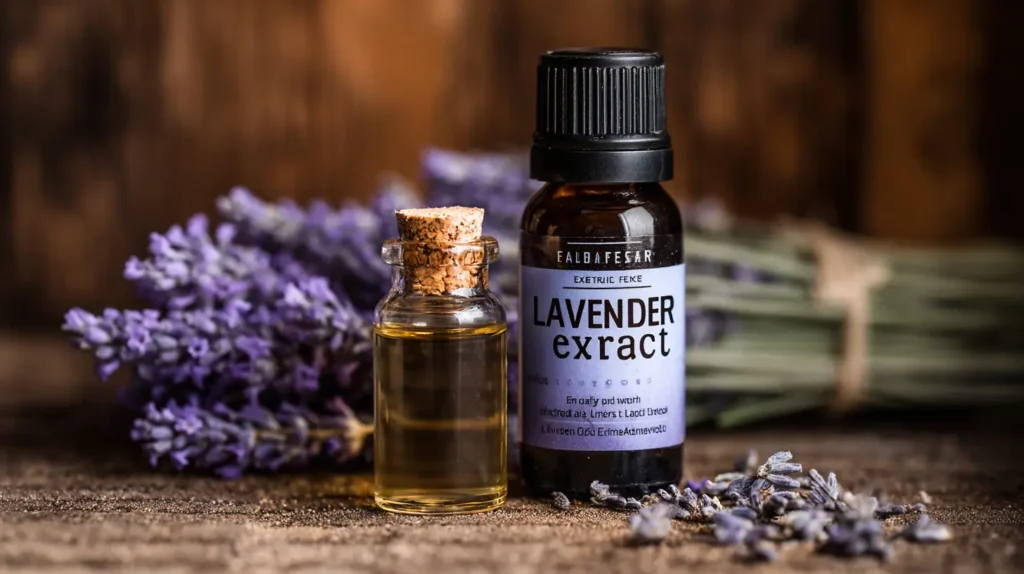
The first thing to check in any lavender energy drink ingredients list is the actual lavender source. Safe, food‑focused products rely on culinary lavender buds, lavender tea infusions, or food‑grade lavender extract that is specifically labeled for edible use. These forms are designed for baking, candy making, and beverages, and deliver the familiar floral aroma and flavor in controlled, recipe‑friendly amounts.
By contrast, many aromatherapy‑grade lavender essential oils are not intended to be swallowed, because they are extremely concentrated and may contain solvents or carrier oils. Even when an essential oil is technically “food grade,” only tiny amounts are usually appropriate, and using too much can cause digestive upset or unpleasant taste. That is why most well‑formulated recipes and commercial drinks avoid generic essential oils and instead list “lavender extract,” “lavender tea,” or “lavender syrup” as their primary lavender energy drink ingredients.
When you are evaluating what’s in a lavender energy drink, look for clear wording such as “culinary lavender,” “lavender infusion,” or “natural lavender extract (for food use)” rather than vague “lavender oil” in a proprietary blend. If you are making drinks at home, stick to dried food‑grade lavender, prepared tea bags, or beverage‑safe extracts and reserve essential oils for diffusers and topical products.
Natural Caffeine Sources (Yerba Mate, Guayusa, Green Tea)
The “energy” in lavender energy drink ingredients usually comes from one or more natural caffeine sources. Instead of synthetic caffeine anhydrous, many modern brands highlight plants such as green tea, matcha, yerba mate, guayusa, and sometimes cold brew coffee. These ingredients bring not only caffeine but also additional compounds like theobromine and polyphenols, which can contribute to a smoother, longer‑lasting lift compared with sugary sodas.
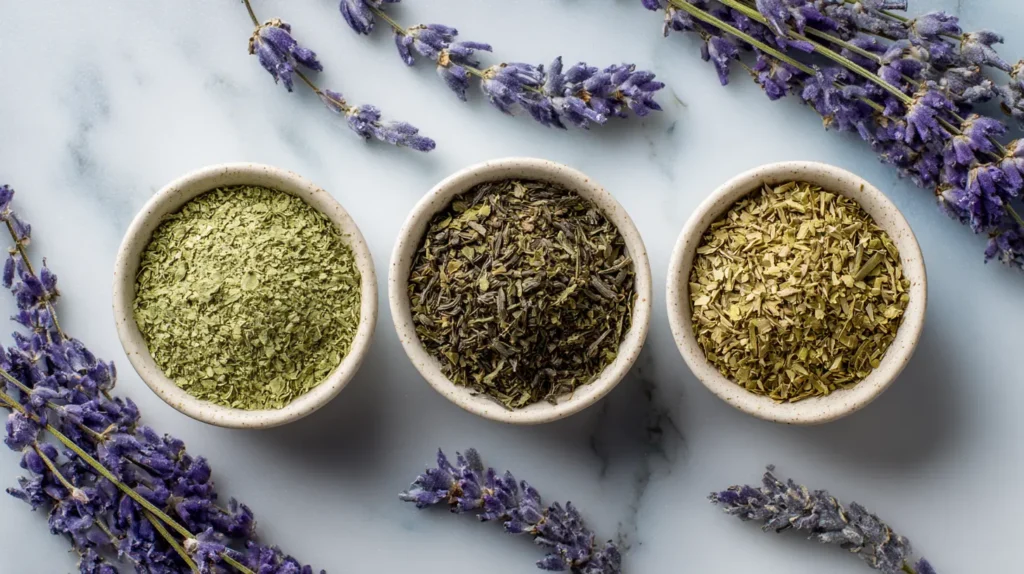
Green tea and matcha are common in lavender energy drink ingredients because their grassy, slightly sweet flavor pairs naturally with floral lavender. They also contain L‑theanine, an amino acid associated with a calmer, more focused type of alertness, which fits perfectly with the “calm energy” positioning. Yerba mate, a South American holly leaf, typically offers slightly less caffeine than coffee per cup but a longer‑lasting effect thanks to its mix of stimulants, making it popular in botanical energy drinks. Guayusa from the Amazon is another rising star; many drinkers describe guayusa tea as providing a clear, relaxed focus with a clean flavor that works well in lightly sweetened lavender blends.
When reading labels, transparent lavender energy drink ingredients will specify “green tea extract,” “yerba mate extract,” or “guayusa leaf infusion,” often with the total milligrams of caffeine per serving. Vague terms like “natural energy blend” make it harder to know what you are drinking or how it compares with your daily caffeine limit. For more context on how these caffeine sources translate into calm focus and mood, you can link readers over to your benefits of lavender energy drink guide.
Adaptogens & Nootropics Often Paired
Beyond the basic lavender and caffeine, many functional drinks add adaptogens and nootropics to their lavender energy drink ingredients list. Adaptogens are herbs and mushrooms used to help the body adapt to stress, while nootropics are compounds intended to support cognitive performance, like attention and memory. In beverages, these ingredients are usually included in small amounts to reinforce marketing promises such as “calm focus,” “stress support,” or “brain fuel.”

Common adaptogens in lavender energy drink ingredients include ashwagandha, rhodiola rosea, ginseng, and functional mushrooms like reishi or lion’s mane. On the nootropic side, you will often see L‑theanine (especially with tea bases), B‑vitamins, and sometimes choline or other amino acids that are associated with mental clarity in early research. Together, these extras are meant to complement lavender’s calming effects so that your drink not only wakes you up but also helps you feel steady and clear‑headed.
Because adaptogens and nootropics can interact with medications or underlying health conditions, they should not be treated as harmless decorations. If a can lists several herbal extracts and “proprietary blends,” consider starting with half a serving to see how you feel. Readers who are curious about how these extra lavender energy drink ingredients change the risk–reward balance can be pointed to your detailed articles on the benefits of lavender energy drink and your upcoming side‑effects and safety guide.
Sweeteners & Flavor Balancing

Sweeteners are the final piece of the lavender energy drink ingredients puzzle and often the one that most strongly affects health. Traditional canned energy drinks rely on large amounts of sucrose, glucose, or high‑fructose corn syrup, which can cause quick spikes and crashes in blood sugar and energy. Newer lavender energy drinks tend to highlight lower sugar counts by combining a small amount of real sugar with low‑ or zero‑calorie sweeteners.
You will frequently see cane sugar, honey, or agave syrup paired with non‑nutritive options like stevia and monk fruit extract. Both stevia and monk fruit are much sweeter than table sugar, so only tiny amounts are needed, which helps keep total calories and carbs down while still delivering a pleasant taste. Some brands also use fruit juices, purees, or concentrates—lemon, blueberry, blackberry—to add natural sweetness and color to their lavender energy drink ingredients list without leaning entirely on refined sugar.
Flavor‑balancing ingredients round everything out so that lavender tastes floral and refreshing instead of soapy. Citrus juices and zests brighten the profile; a touch of vanilla or coconut can soften bitterness from tea; and a small pinch of sea salt enhances flavor while making strong brews taste smoother. When deciding what’s in a lavender energy drink that works for you, look for moderate sugar (or smart sugar‑free formulas), recognizable sweeteners, and balancing elements that keep the drink enjoyable without overwhelming the lavender.
What’s Actually Inside Your Lavender Energy Drink?
When you put all these lavender energy drink ingredients together, a high‑quality formula usually includes five pillars: a food‑grade lavender source, a clearly labeled natural caffeine base, thoughtfully chosen adaptogens or nootropics (if any), moderate and transparent sweeteners, and small touches for flavor balance. Understanding what’s in a lavender energy drink makes shopping easier and gives you control over how much caffeine, sugar, and herbal support you build into your day.
From here, you can guide readers deeper into your content hub: those who want to know how these ingredients translate into real‑world results can jump to your article on the benefits of lavender energy drink, while readers concerned about sensitivities or long‑term use can click through to your detailed side‑effects and safety guide. Together, these pages give a complete picture of lavender energy drink ingredients, how they work, and how to enjoy them wisely. Explore More informations About Lavender Energy Drink Ingredients