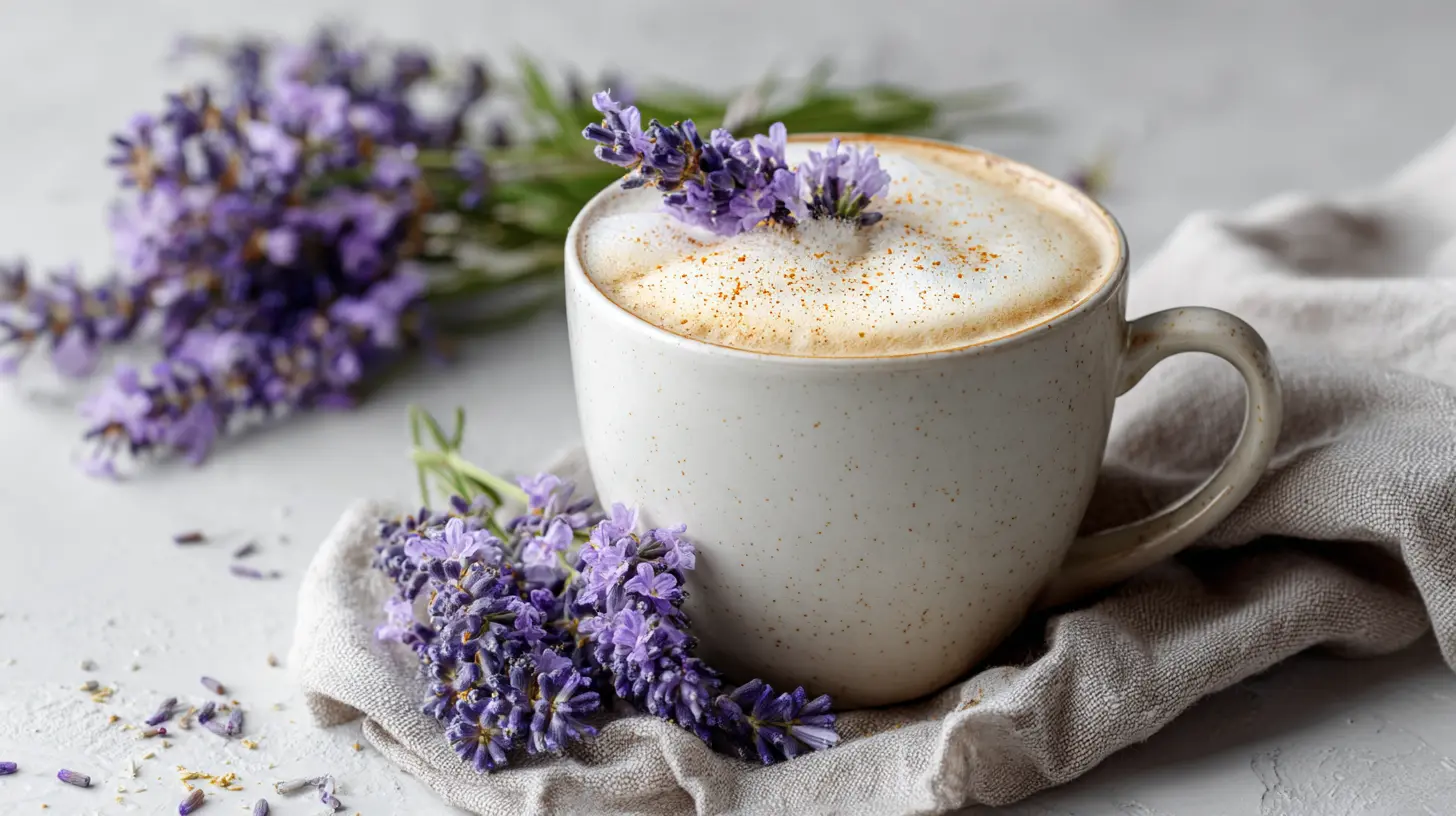
Lavender and caffeine act on almost opposite sides of your nervous system: caffeine pushes you toward wakefulness and stimulation, while lavender nudges your brain toward calm. When drink makers combine lavender coffee, lavender latte, or even a lavender energy drink with caffeine in the same functional beverage, the goal is a “relaxed alertness” effect instead of a wired caffeine buzz.
This article breaks down how lavender’s main compounds interact with brain chemistry, how they might soften some caffeine jitters, and why the lavender and caffeine combo is suddenly everywhere in calm energy drinks with lavender. If you want an official overview of caffeine safety and daily limits, you can also check the FDA consumer guide “Spilling the Beans: How Much Caffeine Is Too Much?” alongside your own lavender and caffeine detailed guide.
Neurochemical Effects (Linalool + Caffeine)
Caffeine is one of the most studied stimulants in the world and is the backbone of most coffee and tea drinks, from basic drip coffee to trendy lavender latte and lavender iced coffee recipes. It mainly works by blocking adenosine receptors (especially A1 and A2A) in your brain, which removes a natural “brake” on alertness. With adenosine temporarily muted, neurons fire more often and levels of other neurotransmitters like dopamine and acetylcholine rise in certain areas, leading to increased wakefulness, faster reaction times, and a brighter mood for many people.
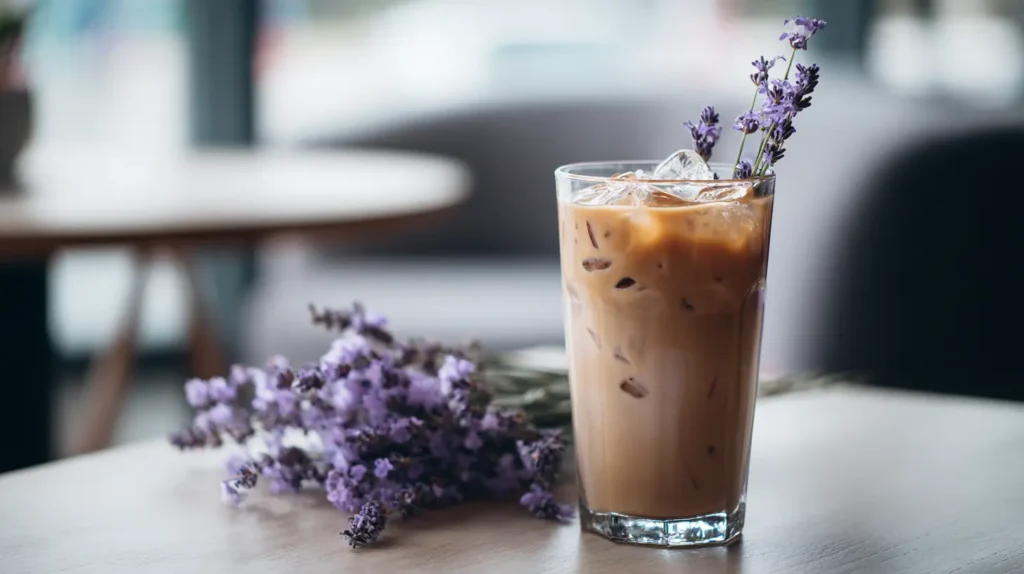
Lavender brings a very different set of chemistry to the table. Its key aromatic components—especially linalool and linalyl acetate—have been linked in lab and human studies to calming, anxiolytic, and mild sedative‑like effects. Research suggests these compounds can interact with GABA‑related systems (your main inhibitory “calm down” network), glutamate receptors such as NMDA, some serotonin (5‑HT) targets, and even certain ion channels, together reducing excessive neuronal excitability in stressful situations. This is why people look to lavender for support with anxiety, tension, and sleep and why “lavender and caffeine anxiety” and “lavender and caffeine sleep” are becoming common search topics.
When you put lavender and caffeine together in a latte, cold brew, or sparkling tonic, you are essentially asking your nervous system to integrate two opposing pushes: caffeine lifts arousal by blocking adenosine, while lavender leans toward reducing anxiety and tension by supporting inhibitory and mood‑balancing pathways. Most people don’t feel these as canceling each other out; instead, the result can be a unique “clear but more relaxed” type of stimulation when doses stay moderate, especially in thoughtfully designed lavender functional beverages.
How Lavender Balances Caffeine Jitters
On its own, caffeine is great at making you feel more awake—but the same mechanism that sharpens alertness can easily cross into side effects. High doses, or simply a low personal tolerance, can lead to jitteriness, racing heart, anxious thoughts, stomach upset, and trouble falling asleep. That is because adenosine blockade and increased neuronal firing don’t come with built‑in brakes for anxiety or over‑stimulation, which is why some people search specifically for “lavender for caffeine jitters” or look for gentler lavender coffee options.
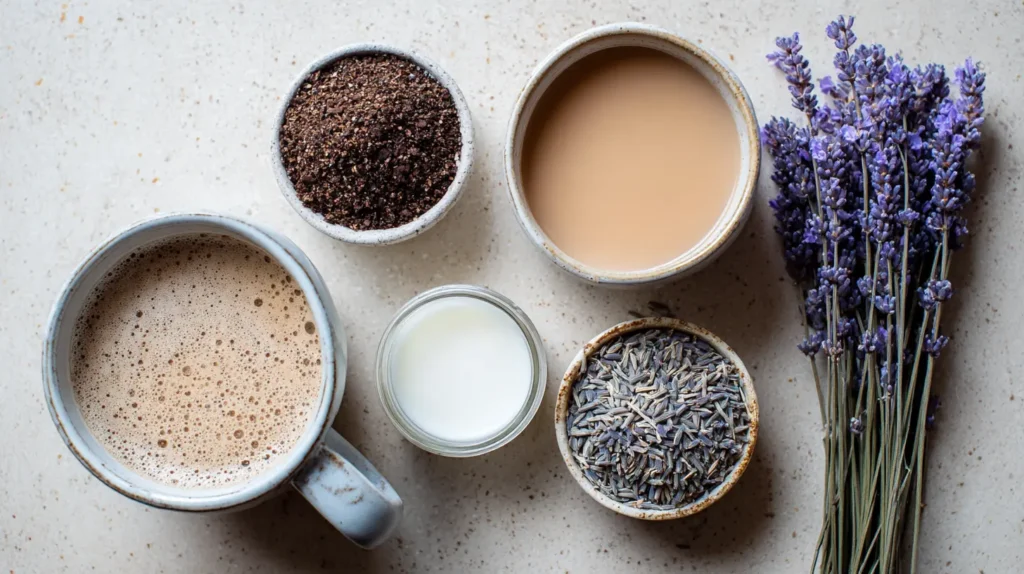
Lavender has almost the opposite reputation. Oral lavender products and standardized extracts have been studied for reducing anxiety scores, improving subjective calm, and even shifting EEG brain‑wave patterns in directions associated with relaxation. While more work is still needed, evidence points toward lavender’s linalool‑rich profile enhancing GABAergic tone and modulating serotonin signaling in ways that help the brain feel safer and less “on edge.” This is also why lavender essential oil and caffeine sometimes appear together in wellness routines, with aroma or supplements layered on top of coffee or tea.
When formulators pair lavender and caffeine in the same drink, the idea is similar to the classic caffeine + L‑theanine stack: keep the focus and wakefulness from caffeine, but layer in an ingredient that dampens nervous tension. Lavender will not erase every caffeine side effect, but it may help some people feel less wired, less anxious, and less “buzzy” at the same caffeine dose—especially when the total caffeine stays in the low to moderate range and is not stacked with multiple stimulants. This is the logic behind many calm energy drinks with lavender and behind newer lavender energy drink with caffeine launches aimed at people who want focus without a crash.
For your readers, an easy rule of thumb is this: if they love what caffeine does for focus but hate how it feels in their body, drinks that combine lavender and caffeine are worth testing slowly. If they already tolerate coffee and strong tea well, they may notice the effect more as a softer emotional tone than a dramatic change in heart rate or raw energy, especially in drinks marketed as “best lavender and caffeine drinks” or as a gentler lavender latte caffeine option.
Why This Combo Is Trending in Functional Beverages
The boom in “functional beverages” goes far beyond classic energy drinks. New products now promise stress support, mood balance, gut health, focus, and even social ease, often using botanicals and nootropics instead of (or alongside) sugar and synthetic stimulants. The pairing of lavender and caffeine fits neatly into this trend because it aligns with two powerful consumer desires: to feel alert and productive, and to feel calmer and less anxious at the same time.

On the branding side, lavender carries strong wellness and self‑care associations from aromatherapy, herbal teas, and sleep products, while caffeine is already trusted as a daily energy anchor in coffee, tea, and colas. Putting lavender and caffeine together lets brands market “relaxed productivity,” “calm focus,” or “soothing energy” in a single can, especially when they also highlight being alcohol‑free, low sugar, or plant‑based. You see this both in café drinks like a seasonal lavender latte and in canned lavender functional beverages on grocery shelves.
There is also a flavor story. Lavender pairs naturally with citrus, vanilla, berries, and creamy bases, which works well in modern lattes, sparkling tonics, and ready‑to‑drink coffees or teas. That means consumers trying a lavender coffee recipe, a lavender iced coffee, or even lavender mocktail drinks get both an on‑trend flavor and a functional claim in one purchase, which increases trial, social sharing, and repeat interest among wellness‑focused shoppers looking for natural calm energy drinks with lavender.
In your content hub, this science‑leaning article can support several other posts. Internally link to your main lavender and caffeine interaction or “lavender and caffeine detailed guide” page to cover practical questions like safe amounts, best times of day, and who should avoid this combo. You can also cross‑link to your side‑effects article and your “lavender vs other herbal energy drinks” comparison so readers can move smoothly from “How does this work?” to “Which product should I actually drink?”
Who Should Be Careful With Lavender and Caffeine
Even though lavender and caffeine can be a smart pairing for many healthy adults, it is not automatically safe for everyone. People who are very sensitive to caffeine, have a history of panic attacks, heart rhythm problems, or uncontrolled high blood pressure still need to treat any caffeinated drink with caution, regardless of how many calming botanicals are added.
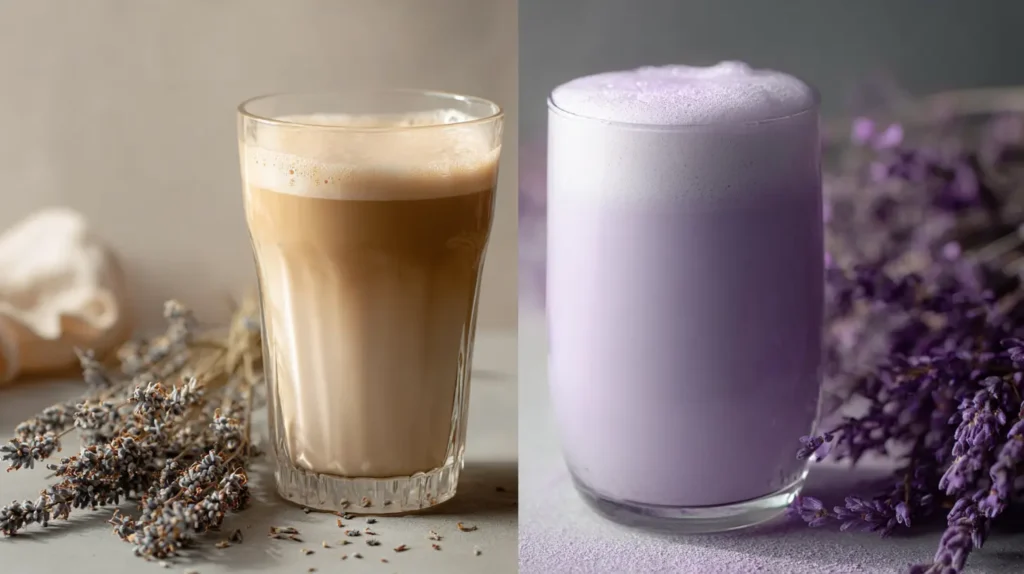
On the lavender side, supplements and strong herbal preparations are generally avoided during pregnancy and breastfeeding unless a healthcare professional says otherwise, and anyone with known lavender allergy or certain hormone‑sensitive conditions should also be careful. For these readers, it is better to start with tiny amounts of lavender tea or skip lavender and caffeine blends entirely—possibly choosing lavender tea caffeine free or non‑caffeinated lavender mocktail drinks instead—to avoid unnecessary lavender and caffeine side effects.
The takeaway: the combination of lavender and caffeine may feel smoother than caffeine alone, but it is still a stimulant‑containing product. Encourage readers to start low, go slow, track how they feel over several days, and factor in all other sources of caffeine and herbs in their routine before deciding whether lavender and caffeine drinks deserve a regular spot in their day, whether that is a simple lavender coffee at home, a café‑style lavender latte, or one of the newer calm energy drinks with lavender on store shelves.
For next steps, send them to your lavender energy drink side effects article if they are worried about symptoms, and to your lavender vs other herbal energy drinks comparison if they want to see how lavender and caffeine stacks up against matcha, yerba mate, or ginseng options.