The “gelatin trick” can be a helpful satiety tool, but there are important gelatin trick risks that many people overlook. Some relate to digestion and protein quality, while others involve allergies, medical conditions, and simple cases where the trick does not work at all, which you will see even more clearly when you compare this safety guide with the science‑focused article on gelatin weight loss studies. If you want a neutral overview of how health authorities view gelatin in general, you can also review the NIH PubChem page on gelatin safety and classification. If you have ever wondered “is the gelatin trick safe?” or read headlines about gelatin trick dangers, this article clears up the most important points.
Used in food-like amounts, gelatin is generally considered safe, but concentrated daily drinks start to behave more like a supplement than a dessert. The safest way to approach the strategy is to understand the main gelatin trick risks, including gelatin trick side effects like bloating or reflux, then fit it into an overall calorie‑controlled, protein‑sufficient plan instead of relying on it as a “magic hack” as explained step‑by‑step in the main pillar guide on the gelatin trick for weight loss.
Digestive Issues
The most common gelatin trick risks are digestive. A large, thick gelatin drink can sit heavily in the stomach and cause bloating, gassiness, cramping, or a “brick‑like” feeling, especially if you are prone to reflux or already have a sensitive gut. Many readers specifically report gelatin trick bloating and gas when they start with portions that are too big or drink it too fast.
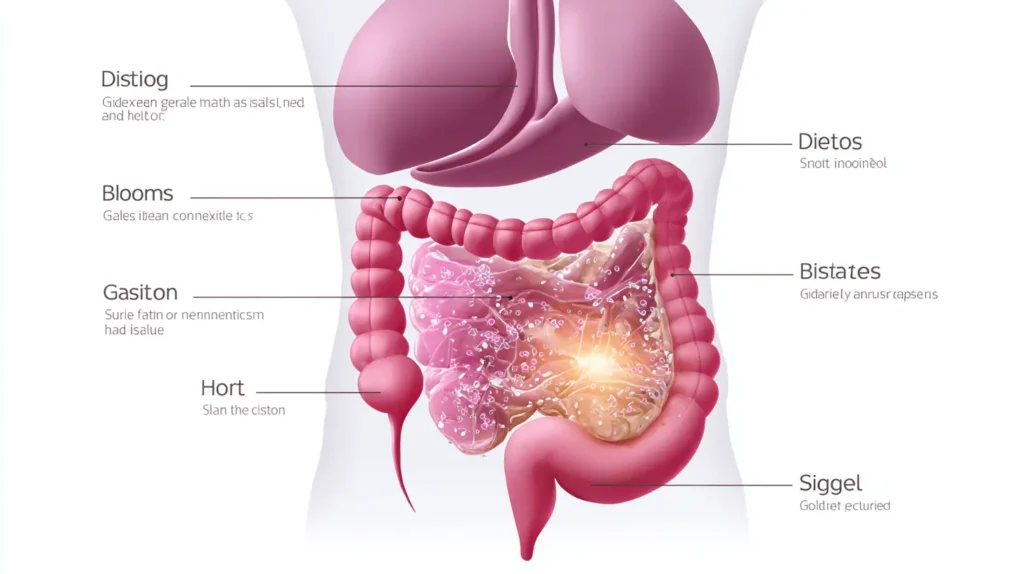
Many viral recipes also add sugar, juice, or sweetened drink mixes to improve taste, which increases the total load on your digestive system. For some people this combination triggers gelatin trick heartburn and reflux, loose stools, or blood‑sugar swings. When any of these symptoms show up consistently, it is a sign that the gelatin trick risks outweigh the benefits for your body and it is better to reduce the dose, adjust timing, or stop altogether.
If you have a history of IBS, GERD, stomach ulcers, bariatric surgery, or other digestive issues, always speak with your healthcare provider before adding thick pre‑meal drinks. They can help you decide whether the texture, volume, and timing of the drink are compatible with your current plan, or whether alternative satiety strategies would be safer and lower risk than drinking gelatin before meals every day.
Protein Limitations (Incomplete Amino Acids)
Another set of gelatin trick risks comes from misunderstanding what kind of protein gelatin actually is. Gelatin is derived from collagen and is very rich in glycine and proline, but it lacks at least one essential amino acid (tryptophan) and is low in several others. That means it is an incomplete protein and cannot support muscle maintenance and recovery on its own, especially during weight loss.

Some people see “10 g protein” on the label and start swapping high‑quality protein foods for large gelatin drinks, assuming they are trading like for like. Over time, this can lead to poorer overall protein quality, slower recovery from workouts, reduced muscle retention, and more fatigue, even if total grams look fine on paper. One of the biggest hidden gelatin trick risks is letting it crowd out complete proteins like eggs, dairy, meat, fish, tofu, or legumes, which creates incomplete protein risks with gelatin in your diet.
The safest approach is to treat gelatin as a bonus satiety tool, not a core protein source. Build your day around complete proteins first, then layer a modest gelatin drink on top if it genuinely helps you eat fewer calories overall. If you follow a vegetarian or mostly plant‑based diet, pay extra attention to combining plant proteins properly, because gelatin will not fill those gaps for you and can make your overall gelatin vs complete protein safety balance worse if you are not careful.
Allergies & Contraindications
True allergy is less common but belongs high on the list of gelatin trick risks. Some people react to gelatin with itching, hives, swelling, wheezing, or even severe reactions; this has been documented most often with gelatin‑containing medications and vaccines, but food and drink products can be a trigger too. If you have ever been told you have a gelatin allergy, or have had unexplained reactions to certain marshmallows, gummies, or capsules, do not experiment with large gelatin drinks without medical guidance.

People with alpha‑gal syndrome (a delayed allergy to mammalian meat) may also react to certain animal‑derived gelatins. In that case, the gelatin trick dangers include delayed hives or anaphylaxis hours after ingestion. It is essential to confirm with your allergist which forms of gelatin, if any, are safe for you, and whether a plant‑based alternative is a better choice so you do not trigger allergy symptoms with the drink.
There are also medical situations where high‑protein strategies in general are not appropriate. If you have advanced kidney disease, certain liver disorders, uncontrolled gout, phenylketonuria (PKU), or are taking medications that require protein or mineral restrictions, you should not start a daily gelatin trick without checking with your doctor or dietitian. In these cases, the gelatin trick risks include worsening lab values, fluid shifts, or interactions with your prescribed nutrition plan, especially if you already worry about the gelatin trick and kidney disease or other chronic conditions.
FAQ About Gelatin Trick Risks
Is the gelatin trick safe to use every day?
For most healthy adults in the US, a small daily gelatin drink made with plain, food‑grade gelatin is considered reasonably safe when used in moderation. Problems tend to show up when portions are very large, the drink is heavily sweetened, or it is used to replace full meals instead of supporting an overall balanced diet.
What are the most common side effects of the gelatin trick?
Who in the U.S. should avoid the gelatin trick completely?
People with a known gelatin allergy, alpha‑gal syndrome (red‑meat allergy), or a history of severe reactions to gelatin‑containing vaccines or medications should avoid large gelatin drinks unless cleared by an allergist. Individuals with advanced kidney disease, serious liver disease, uncontrolled gout, or medically prescribed low‑protein diets should talk to their doctor or dietitian before trying any high‑protein strategy, including the gelatin trick.
Can the gelatin trick replace other protein sources in my diet?
No. Gelatin is an incomplete protein and lacks some essential amino acids, so US nutrition experts do not recommend it as a primary protein source. It can be a helpful add‑on for fullness, but you still need complete proteins like eggs, dairy, meat, fish, soy, or mixed plant proteins to support muscle, recovery, and overall health.
Does the gelatin trick actually help with long‑term weight loss?
Human studies show that gelatin‑rich meals can reduce short‑term hunger and calorie intake, but they have not shown better long‑term weight loss than other high‑protein diets. US‑based reviews emphasize that sustainable weight loss still depends on total calories, diet quality, movement, sleep, and stress—not on one ingredient or hack.
Is flavored Jell‑O okay for the gelatin trick, or do I need plain gelatin?
Most US dietitians recommend using plain, unflavored gelatin and adding your own low‑sugar flavorings. Store‑bought flavored gelatin desserts are typically lower in protein and higher in sugar, sodium, dyes, and additives, which can increase side effects and work against your weight‑management goals.
Can undissolved gelatin be dangerous?
Yes. Health and weight‑loss resources in the US warn that clumped, undissolved gelatin can be a choking risk, especially for people with swallowing issues. Always let the powder bloom in cold liquid first and fully dissolve it before drinking so you minimize both choking risk and digestive discomfort.
When the Trick Fails Completely
Some of the most frustrating gelatin trick risks are not side effects, but false expectations. The trick fails completely when it is used as a “one‑and‑done” solution instead of a small part of a much bigger picture. If calories stay high, portions are not controlled, or lifestyle habits do not change, no amount of pre‑meal gelatin will create meaningful, lasting fat loss, which is why you often hear that the gelatin trick not working for weight loss is really a planning problem, not a drink problem.

Common failure patterns include drinking the gelatin on top of an already large meal instead of using it to replace less filling snacks, loading the recipe with sugar or juice so the calories cancel out the appetite benefit, or using it while still regularly overeating for emotional reasons. In those scenarios, the real gelatin trick risks are disappointment, wasted money, and a sense that “nothing works,” even though the underlying issue is that the overall plan never created a calorie deficit or addressed habits. This is also where reading sensational claims about the gelatin trick dangers can be misleading, because the problem is usually misuse rather than the ingredient itself.
There is also a risk of being misled by exaggerated marketing. Some ads show dramatic before‑and‑after photos and promise that one nightly gelatin drink will melt off 10 pounds quickly, with no mention of diet, exercise, or medical context. Before you commit, it helps to balance those promises against what real research on gelatin weight loss studies actually shows and to ask your own question: “is the gelatin trick safe and realistic for my situation, or am I being sold a shortcut?”