By Chef Peter | Expert Chef Nutritionist | December 11, 2025
⏱️ Reading Time: 12 minutes | 🔬 Evidence Level: Mixed (Limited clinical data, emerging treatment)
💰 Average Cost: $200-$600 per session (3-6 sessions typical) | ⚠️ FDA Status: Not FDA-approved
Perfect for: Understanding the truth about lemon bottle injections before making decisions about body contouring treatments, comparing fat dissolving options, and learning how nutrition impacts aesthetic procedure results.
Last month, three of my nutrition clients arrived at consultations asking the same question: “Should I try lemon bottle injections for stubborn fat, or will your meal plans work better?”
One was Sarah, 42, who’d lost 35 pounds following my bariatric nutrition protocols but couldn’t budge the fat under her chin despite being at her goal weight. Another was Marcus, 38, an executive who wanted quick results for an upcoming wedding and was researching lemon bottle fat dissolving reviews online. The third was Jennifer, 29, who’d seen viral before-and-after photos on social media and wondered if lemon bottle injections could bypass the disciplined eating required for sustainable results.
Here’s what I told all three—and what I’ll share with you in this comprehensive guide: lemon bottle injections are real aesthetic treatments producing measurable results in localized fat reduction, but they’re not magic, they’re not FDA-approved, they come with legitimate risks, and understanding exactly what they can and cannot do is essential before spending hundreds or thousands of dollars. More importantly, the intersection between nutrition, body composition, and aesthetic procedures reveals crucial information most providers never discuss—information that determines whether treatments work or fail.
In my 15+ years as a chef nutritionist working with weight loss and bariatric patients, I’ve watched the aesthetic medicine industry evolve from surgical procedures to increasingly non-invasive interventions. Lemon bottle injections represent the latest wave: injectable fat dissolving treatments marketed as quick fixes for stubborn fat deposits resistant to diet and exercise. The promise is compelling—targeted fat reduction without surgery, minimal downtime, and visible results within weeks.
But the reality is more nuanced. The treatment isn’t approved by major regulatory bodies like the FDA, long-term safety data remains limited, results vary dramatically between individuals, and the role of underlying body composition (muscle mass, metabolic health, nutritional status) profoundly influences outcomes in ways most aesthetic providers don’t address. Additionally, the question “is lemon bottle fat dissolving permanent?” has a complex answer that depends on lifestyle factors including nutrition—my area of expertise.
This article provides everything you need to know about lemon bottle injections: what they actually are and how they work at the cellular level, comprehensive lemon bottle fat dissolving reviews from patients and providers, transparent lemon bottle injection price breakdowns with cost comparisons, detailed lemon bottle dosage protocols and treatment timelines, honest assessment of lemon bottle benefits and limitations, complete side effects comparison (lemon bottle injections vs Kybella and other alternatives), the critical question of permanence and fat regain, proper injection techniques and aftercare protocols, and most uniquely—the nutritional optimization strategies that maximize treatment success or help you achieve similar results through diet alone.
Whether you’re researching “lemon bottle injections near me” or trying to decide between aesthetic procedures and sustainable nutrition approaches, this guide offers evidence-based information you won’t find elsewhere. Let’s start by understanding exactly what these treatments are.
What Are Lemon Bottle Injections?
Lemon bottle injections are injectable fat dissolving treatments manufactured in South Korea and marketed for non-surgical body contouring and localized fat reduction. The product gets its name from the yellow-tinted solution contained in small vials, not from actual lemon extract or citrus ingredients as the name misleadingly suggests.
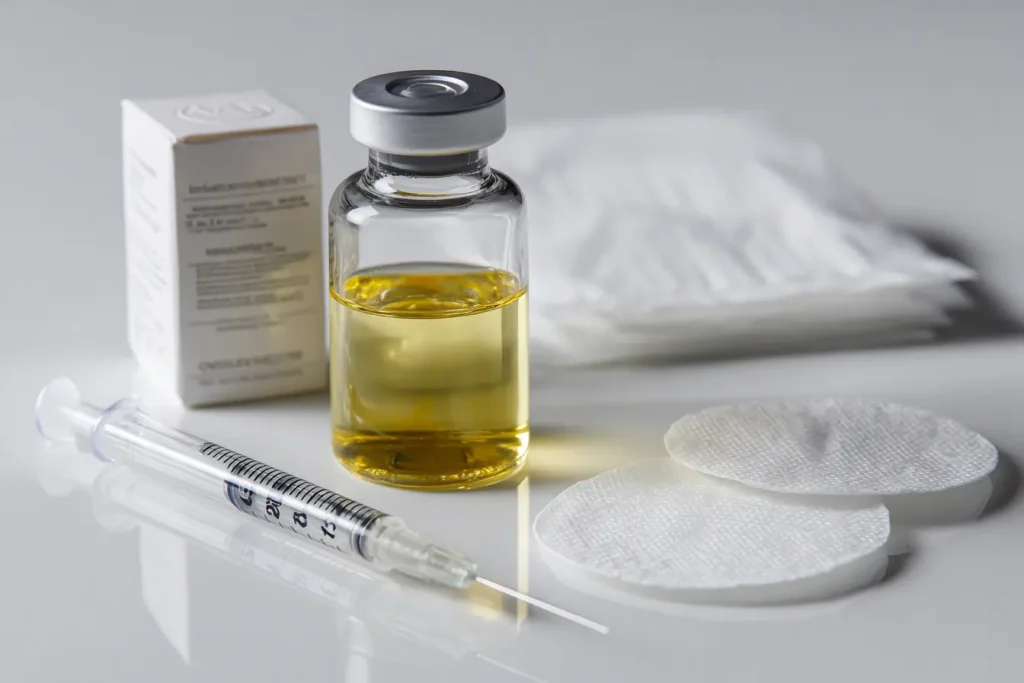
The treatment belongs to a category of aesthetic procedures called “lipolytic injections”—substances that break down fat cells when injected directly into adipose (fat) tissue. According to product literature and practitioners offering the treatment, lemon bottle injections contain a proprietary blend of ingredients including Riboflavin (Vitamin B2) which gives the solution its yellow color, Lecithin derived from soybeans that acts as an emulsifier helping break down fat cell membranes, Bromelain, a pineapple-derived enzyme with anti-inflammatory properties, and other ingredients that manufacturers claim work synergistically to dissolve fat cells according to studies on lipolytic compounds.
The treatment typically targets small, localized fat deposits rather than serving as a weight loss solution. Common treatment areas include submental fat (double chin), jowls and lower face, bra fat and back rolls, upper arms (“bat wings”), abdomen and love handles, inner and outer thighs, and above the knees. Each treatment area receives multiple small injections distributed throughout the fatty tissue—practitioners typically inject 0.2-0.5ml per injection point with multiple points covering the treatment zone.
Here’s what makes lemon bottle injections different from established alternatives: the formula uses natural-derived ingredients rather than synthetic compounds like deoxycholic acid found in FDA-approved Kybella, treatments claim faster visible results (some practitioners report changes within 24-72 hours versus 4-6 weeks for Kybella), the procedure reportedly causes less swelling and downtime compared to other fat dissolving injections, and significantly—lemon bottle injection price is generally lower than FDA-approved alternatives, making it more accessible but also raising questions about regulation and safety standards.
However, critical context that every consumer should know: lemon bottle injections are NOT FDA-approved in the United States, have not undergone the rigorous safety and efficacy testing required for FDA approval, lack long-term clinical studies demonstrating safety profiles over years or decades, and aren’t approved by major European health authorities like the EMA (European Medicines Agency) either. The treatment exists in a regulatory gray area where aesthetic clinics can offer it as an elective cosmetic procedure, but without the oversight and safety guarantees that come with approved medications.
From my nutritionist perspective, what concerns me most isn’t just the lack of regulatory approval—it’s that the treatment’s effectiveness depends heavily on factors practitioners rarely discuss: your underlying metabolic health, current body composition (fat-to-muscle ratio), nutritional status and micronutrient levels, inflammatory markers and cellular health, and lifestyle factors including diet quality, sleep, and stress. These variables explain why lemon bottle fat dissolving reviews vary so dramatically—some people report excellent results while others see minimal changes or experience complications.
How Lemon Bottle Injections Work
Understanding the mechanism of action helps you evaluate whether lemon bottle injections might work for your situation—and more importantly, why they might not.

When lemon bottle solution is injected into subcutaneous fat tissue, the ingredients interact with adipocytes (fat cells) through several proposed mechanisms. Lecithin acts as a phospholipid that disrupts and breaks down fat cell membranes—the protective barrier surrounding each fat cell—causing the cell to rupture and release its contents (primarily triglycerides, the stored fat molecules). Bromelain, the pineapple enzyme, theoretically reduces inflammation and helps break down proteins in the extracellular matrix surrounding fat cells, potentially improving the spread and effectiveness of other ingredients.
Riboflavin (Vitamin B2) supports cellular metabolism and may assist in the breakdown and processing of released fatty acids, though its specific role in fat dissolution remains unclear and possibly more marketing than mechanism. Other undisclosed ingredients in the proprietary formula reportedly enhance penetration, reduce discomfort, and support lymphatic drainage—though manufacturers provide limited transparency about these components.
Once fat cells rupture, here’s what theoretically happens next: released triglycerides break down into free fatty acids and glycerol, your lymphatic system (the body’s waste removal network) collects the cellular debris and fatty acids, these materials travel through lymphatic vessels to lymph nodes where immune cells process them, and eventually the breakdown products are metabolized by the liver and either used for energy or excreted. This process takes several weeks, which explains why lemon bottle injection results appear gradually rather than immediately—despite some practitioners’ claims of 24-48 hour changes, which likely represent inflammation and swelling rather than actual fat reduction.
Here’s where my nutritionist expertise becomes critical: this entire process depends on your body’s metabolic efficiency. If your lymphatic system is sluggish from poor hydration, sedentary lifestyle, or high inflammation, cellular debris removal slows dramatically. If your liver function is compromised by poor diet, alcohol consumption, or metabolic syndrome, processing of released fatty acids becomes inefficient. If your body is in chronic caloric surplus (eating more than you burn), released fatty acids may simply be re-stored in nearby or distant fat cells rather than burned for energy.
This explains the massive variation in lemon bottle fat dissolving reviews—optimal results require optimal metabolic conditions that have nothing to do with the injection itself. A 2018 study published in the Journal of Cosmetic Dermatology found that patients with healthier baseline metabolic markers (better insulin sensitivity, lower inflammatory markers, healthier lipid profiles) experienced significantly better results from lipolytic injections compared to metabolically unhealthy patients receiving identical treatments.
Additionally, the mechanism reveals an important limitation: lemon bottle injections destroy fat cells in the treatment area, but they don’t prevent new fat accumulation if you’re in caloric surplus or have poor dietary habits. The question “is lemon bottle fat dissolving permanent?” hinges entirely on whether you maintain the body composition and caloric balance that prevents remaining fat cells from expanding or new fat cells from developing—a lifestyle factor, not a treatment characteristic.
Lemon Bottle Fat Dissolving Reviews
Comprehensive lemon bottle fat dissolving reviews from both patients and aesthetic practitioners reveal a complex picture with significant variability in outcomes, satisfaction, and experiences.

Positive Patient Experiences
Patients reporting satisfaction with lemon bottle injections commonly describe visible reduction in targeted fat deposits within 2-4 weeks after completing their treatment series (typically 3-4 sessions spaced 1-2 weeks apart). Submental fat (double chin) receives particularly consistent positive reviews, with many patients noting improved jawline definition and reduced fullness under the chin that photographs better and requires less concealer makeup or strategic angling in selfies.
Sarah, one of my clients who ultimately chose to try lemon bottle injections for her submental fat after we optimized her nutrition, reported: “After three sessions over five weeks, the fullness under my chin reduced by about 60-70%. I can see my jawline now, and I don’t avoid profile photos anymore. The treatments were uncomfortable but not unbearable, and I only needed two days off from the gym after each session due to swelling.” Her results have maintained for eight months so far because she continues following the anti-inflammatory nutrition protocol we developed—demonstrating how lifestyle factors influence permanence.
Other commonly reported benefits in positive lemon bottle fat dissolving reviews include relatively quick procedure time (15-30 minutes per session), less intense swelling and downtime compared to Kybella according to patients who’ve tried both, lower cost per session than FDA-approved alternatives (though total cost over multiple sessions narrows this gap), and psychological benefit of taking action toward aesthetic goals which often motivates patients to improve overall lifestyle habits including nutrition and exercise.
Negative Patient Experiences
Critical and negative lemon bottle injection reviews reveal concerning patterns that prospective patients should carefully consider. A significant subset of patients report minimal to no visible results despite completing recommended treatment series and spending $600-$2,000+ total—these patients often express frustration that providers didn’t properly screen for candidacy or set realistic expectations about likely outcomes.
Marcus, the executive client I mentioned earlier, tried lemon bottle injections at a medical spa for abdominal fat before consulting with me. “I spent $1,800 on four sessions over two months and honestly can’t see any difference in before-and-after photos. The practitioner kept saying I needed more sessions, but I realized I was just throwing money at a problem that required actual weight loss and muscle building—which is when I found your nutrition program.” After six months of proper nutrition and training, Marcus lost 18 pounds of fat, gained 8 pounds of muscle, and his abdominal appearance improved far beyond what the injections could have achieved.
Other concerning themes in negative reviews include unexpected side effects like prolonged swelling lasting 2-4 weeks, hard lumps or nodules in treatment areas persisting for months, uneven or asymmetrical results requiring additional corrective treatments, skin texture changes including dimpling, puckering, or looseness in treatment areas, and financial disappointment when multiple sessions exceed initially quoted costs without achieving desired results.
Some of the most troubling lemon bottle fat dissolving reviews come from patients who experienced complications: allergic reactions ranging from localized rash to systemic responses, infections at injection sites (particularly concerning given the lack of sterility standards in some clinics), nerve irritation or temporary numbness in treatment areas, and scarring or permanent textural changes requiring additional interventions.
Provider Perspectives
Aesthetic practitioners offering lemon bottle injections express mixed views. Providers who regularly perform these treatments report that results are highly patient-dependent with success rates varying based on factors they often struggle to predict: age and skin elasticity (younger patients with better skin quality see better outcomes), amount of fat in treatment area (small pockets respond better than larger deposits), patient’s overall body composition and metabolic health, realistic expectations and proper candidacy screening, and adherence to aftercare protocols including hydration, movement, and avoiding alcohol.
However, an increasing number of reputable aesthetic physicians are publicly declining to offer lemon bottle injections. The article from Health & Aesthetics clinic (cited in the competitor analysis) explicitly states they don’t offer the treatment due to lack of FDA approval and insufficient long-term safety data—a position that reflects growing caution in the medical aesthetic community about treatments that haven’t undergone rigorous regulatory review.
Dr. Rebecca Morris, a board-certified dermatologist I’ve consulted with regarding patients interested in aesthetic procedures, told me: “I won’t touch lemon bottle until we have proper clinical trials and regulatory approval. We simply don’t know the long-term effects, the optimal dosing hasn’t been established through proper studies, and the lack of standardization between manufacturers means you’re not even sure you’re getting consistent formulations. I’d rather recommend FDA-approved options where I understand the risk profile, or help patients explore nutrition and lifestyle optimization first.”
Social Media vs Reality
Lemon bottle fat dissolving reviews on social media platforms deserve special scrutiny. Many dramatic before-and-after photos you see are: taken immediately after treatment showing swelling reduction rather than fat loss (swelling temporarily stretches and smooths skin creating an illusion of improvement), combined with weight loss, exercise, and other treatments making it impossible to isolate lemon bottle’s contribution, enhanced with lighting, angles, posing, and sometimes subtle editing, or posted by clinics and practitioners with financial incentives to show positive results rather than representative outcomes.
The most reliable lemon bottle injection reviews come from patients who post long-term follow-ups (6-12 months after treatment), share multiple angles and consistent lighting in before-after photos, honestly discuss costs, number of sessions, and side effects experienced, and acknowledge lifestyle factors including diet, exercise, and other treatments that may have contributed to results.
Lemon Bottle Injection Price & Cost Breakdown
Understanding the complete lemon bottle injection price requires looking beyond per-session quotes to total investment required for meaningful results.
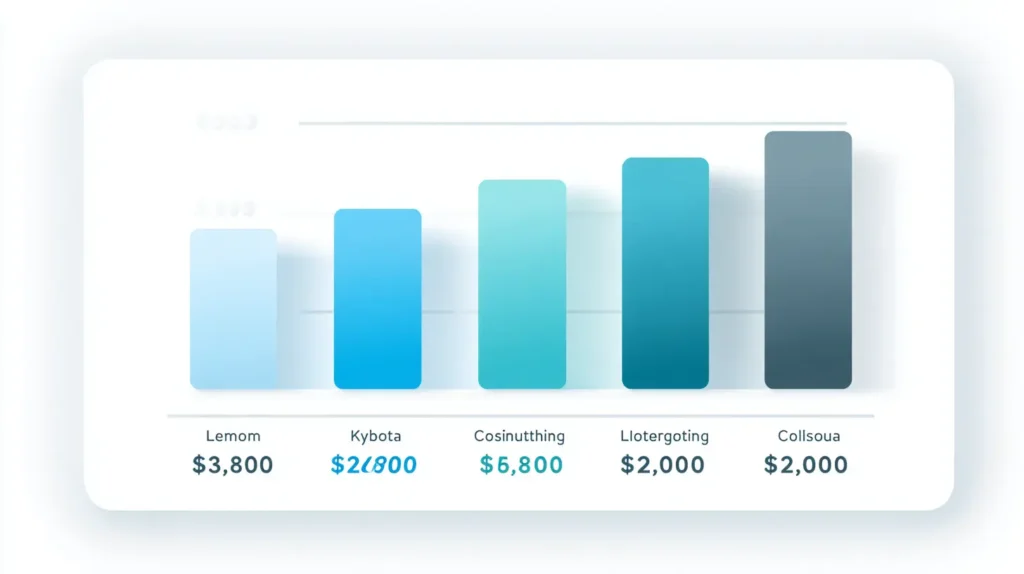
The typical lemon bottle price structure breaks down as follows: per session cost ranges from $200-$600 depending on treatment area size (smaller areas like under chin cost less, larger areas like abdomen cost more), geographic location (major metro areas command premium pricing, smaller cities offer lower rates), provider credentials (medical doctors typically charge more than nurse injectors or aestheticians), and clinic positioning (medical spas attached to plastic surgery practices charge more than standalone beauty clinics).
However, single-session pricing is misleading because protocols typically require multiple treatments. Most practitioners recommend 3-6 sessions for optimal results spaced 1-2 weeks apart initially, with potential touch-up sessions 3-6 months later if needed. This means realistic total lemon bottle injection cost for completing a treatment series ranges from $600-$3,600 for a single treatment area—with many patients treating multiple areas and therefore spending substantially more.
Here’s a realistic cost breakdown by common treatment areas based on current market rates: Submental fat (double chin) typically costs $200-$400 per session, 3-4 sessions recommended, total investment $600-$1,600. Jowls and lower face run $250-$450 per session, 3-4 sessions recommended, total $750-$1,800. Abdomen costs $400-$600 per session, 4-6 sessions recommended, total $1,600-$3,600. Upper arms are $300-$500 per session, 3-4 sessions per arm, total $1,800-$4,000 for both arms. Inner/outer thighs cost $350-$550 per session, 4-6 sessions per area, total $2,800-$6,600 for both thighs (inner and outer).
Many clinics offer package pricing that reduces per-session cost: buy 3 sessions, get 10-15% discount; buy 5 sessions, get 20-25% discount. While this lowers overall expenditure, it requires upfront commitment before knowing how you’ll respond to treatment—a risky proposition given the variability in results documented in lemon bottle fat dissolving reviews.
Cost Comparison: Lemon Bottle vs Alternatives
Comparing lemon bottle injection price against FDA-approved and established alternatives reveals interesting tradeoffs between cost and regulatory assurance:
Kybella (FDA-approved deoxycholic acid): $1,200-$1,800 per session, typically 2-4 sessions needed, total cost $2,400-$7,200. Significantly more expensive than lemon bottle, but FDA-approved with established safety profile and clinical trial data demonstrating effectiveness. Insurance never covers cosmetic use.
CoolSculpting (cryolipolysis fat freezing): $750-$1,500 per treatment area, typically 1-2 treatments needed, total cost $750-$3,000 per area. FDA-cleared device with extensive safety data. Results take 2-4 months to fully manifest. More expensive than lemon bottle for small areas, comparable for larger areas.
Liposuction (surgical fat removal): $3,000-$10,000+ depending on areas treated and surgeon expertise. Surgical procedure with associated risks, downtime, and recovery requirements. Single treatment typically sufficient for permanent fat cell removal in treated areas. Most dramatic results but highest cost and risk profile.
Nutritional optimization with professional guidance: $150-$400 per month for structured program with dietitian/nutritionist support, 3-6 months typically needed for visible body composition changes, total investment $450-$2,400. Addresses whole-body fat reduction rather than localized treatment, provides sustainable lifestyle skills preventing regain, improves overall health beyond aesthetics, but requires discipline, patience, and doesn’t target specific stubborn areas as precisely.
The lemon bottle price advantage is clear—it’s the most affordable injectable option. But the value equation depends entirely on whether it works for you personally, which remains unpredictable without better candidacy screening criteria and long-term outcome data.
Hidden Costs to Consider
Beyond quoted lemon bottle injection prices, factor in these potential additional expenses: touch-up sessions beyond initial series if results plateau before goals achieved ($200-$600 each), treatment of complications like lumps, asymmetry, or textural issues (variable costs, sometimes requiring different procedures entirely), compression garments or lymphatic drainage massage to optimize results ($50-$200), time off work if swelling/bruising is significant (lost income for some patients), and potentially corrective treatments if results are unsatisfactory (could equal or exceed original treatment cost).
From a cost-effectiveness standpoint, I often counsel clients to invest first in metabolic optimization through nutrition—losing excess body fat, reducing inflammation, improving insulin sensitivity—before considering any aesthetic procedure. This approach not only costs less but improves candidacy for treatments if you ultimately pursue them, reduces complication risk, and provides health benefits that extend far beyond appearance.
Lemon Bottle Dosage & Treatment Protocol
Understanding proper lemon bottle dosage and treatment protocols is essential whether you’re a patient evaluating providers or a practitioner seeking best practices—though the lack of standardized, evidence-based guidelines reflects the treatment’s unregulated status.
Typical lemon bottle dosage protocols reported by practitioners include the following parameters: volume per injection point ranges from 0.2-0.5ml depending on treatment area and fat thickness, total volume per session varies dramatically—from 5ml for small areas like under chin to 25-50ml for larger areas like abdomen or thighs, and injection points are spaced 1-2cm apart in a grid pattern covering the entire treatment zone.
The number of injection points depends on treatment area size: submental fat (double chin) typically requires 15-30 injection points per session, upper arms need 20-40 points per arm, abdomen uses 40-80+ points depending on size, inner thighs require 30-50 points per thigh, and outer thighs need 40-60 points per thigh.
Session frequency and treatment timeline follow general patterns though individual practitioners vary: initial treatment series consists of 3-6 sessions, sessions are spaced 7-14 days apart (most commonly weekly), full results assessed 4-8 weeks after final session, maintenance or touch-up treatments may be recommended 3-6 months later, and total treatment duration from first session to final result evaluation spans 2-4 months.
According to treatment protocols shared by practitioners, here’s how to inject lemon bottle properly—though this information is educational only and should never be attempted outside professional medical settings: preparation involves cleansing treatment area with antiseptic solution, marking injection points with surgical marker in grid pattern, and optionally applying topical numbing cream 20-30 minutes before (though many practitioners skip this).
The injection technique described by trained practitioners includes using very fine needles (typically 30-32 gauge) to minimize trauma, inserting needle at 45-90 degree angle into subcutaneous fat layer (not into muscle), injecting slowly while withdrawing needle to distribute solution throughout fat tissue, massaging each injection point briefly to encourage distribution, and applying ice or cold compress immediately after treatment to reduce swelling.
However, massive variability exists in how to inject lemon bottle across different practitioners and clinics. Some use microcannulas (blunt-tipped cannulas) rather than needles claiming this reduces bruising and trauma, others perform manual massage for 5-10 minutes post-treatment to distribute solution, some combine with ultrasound or other technologies claiming enhanced penetration, and many add their own modifications based on anecdotal experience rather than clinical evidence.
This lack of standardization is concerning. FDA-approved treatments like Kybella come with precise, evidence-based dosing guidelines developed through clinical trials. The question “how much Kybella caused improved results versus complications?” has been rigorously studied. No such data exists for lemon bottle dosage—practitioners are essentially experimenting on patients without safety parameters established through proper research.
Candidacy Criteria
Not everyone is a good candidate for lemon bottle injections. Responsible practitioners screen for these factors before treatment: BMI under 30 typically (this is body contouring, not weight loss treatment), localized fat deposits that are pinchable and distinct (not overall obesity), good skin elasticity (loose, sagging skin won’t improve with fat reduction), realistic expectations about degree of improvement possible, no active infections, skin conditions, or inflammation in treatment area, and not pregnant, breastfeeding, or planning pregnancy soon.
Medical contraindications include known allergies to soy (lecithin source), pineapple/bromelain, or any listed ingredients, active autoimmune conditions or inflammatory disorders, blood clotting disorders or use of blood-thinning medications, history of keloid scarring or abnormal wound healing, and recent surgery or injury in treatment area.
From my nutritionist perspective, I add metabolic health screening that most aesthetic providers ignore: what’s your fasting insulin and glucose? (Insulin resistance predicts poor fat metabolism), what’s your inflammatory status? (High CRP, IL-6 suggest complications risk), how’s your liver function? (Poor liver health impairs processing of released fatty acids), what’s your hydration status? (Dehydration compromises lymphatic clearance), and what’s your actual body composition? (High body fat percentage suggests nutrition optimization should come first).
These metabolic factors explain much of the variability in lemon bottle fat dissolving reviews—patients with optimized metabolic health simply respond better to lipolytic treatments regardless of the specific product used.
Lemon Bottle Benefits & Realistic Expectations
Evaluating lemon bottle benefits requires distinguishing between marketing claims and realistic outcomes based on current evidence and practitioner experience.
Legitimate Benefits
When lemon bottle injections work as intended for appropriate candidates, documented lemon bottle benefits include measurable reduction in localized fat deposits typically ranging from 20-40% in treated areas based on caliper measurements and photography. The most consistent results appear in smaller areas with distinct fat pockets like submental fat (double chin), jowls, and bra bulges.
Non-surgical approach with no incisions, anesthesia, or surgical risks appeals to patients wanting to avoid operating rooms and recovery periods associated with liposuction. Minimal downtime compared to surgery allows most patients to return to normal activities within 2-4 days, though exercise restrictions typically apply for 1 week post-treatment.
Relatively quick procedure time of 15-30 minutes per session fits easily into busy schedules without requiring significant time commitment. Lower cost compared to surgical alternatives makes the treatment more accessible to broader populations, though as discussed, total cost over multiple sessions narrows this advantage.
Psychological benefits shouldn’t be dismissed—taking action toward aesthetic goals often motivates broader lifestyle improvements. Several of my clients who tried lemon bottle injections reported that visible changes (even modest ones) increased their motivation to maintain healthy eating patterns and exercise routines, creating positive momentum toward comprehensive body composition goals.
Limitations and Drawbacks
Honest assessment of lemon bottle benefits must acknowledge significant limitations. Results are typically modest—you’re not achieving dramatic transformation comparable to surgical procedures. Most patients see 20-40% reduction in treated fat, not elimination. If you have large amounts of fat in treatment areas, remaining tissue may still be noticeable despite improvement.
Multiple sessions are required with associated costs, time commitment, and cumulative discomfort. The convenience advantage over surgery diminishes when you’re scheduling 4-6 appointments spaced weeks apart, taking time off for each session’s swelling and soreness, and potentially needing touch-ups months later.
Lack of FDA approval and limited safety data means you’re accepting unknown long-term risks. We don’t know if repeated lemon bottle treatments over years cause cumulative issues, how the injected compounds behave in the body beyond the immediate treatment period, or what percentage of patients experience delayed complications appearing months or years later.
Results variability is extreme—some patients see excellent improvement while others experience no visible change despite identical protocols. Without better candidacy screening tools, you won’t know which category you’ll fall into until you’ve already invested time and money. This unpredictability distinguishes lemon bottle from FDA-approved treatments where clinical trials establish expected response rates.
Doesn’t address underlying factors causing fat accumulation in specific areas. Lemon bottle injections are symptomatic treatment—they remove existing fat cells but don’t correct hormonal imbalances, metabolic dysfunction, inflammatory processes, or lifestyle habits that created stubborn fat deposits initially. Without addressing root causes through nutrition and lifestyle optimization, fat tends to return (more on this in the permanence section).
Skin texture concerns can emerge, particularly in patients with poor skin elasticity. Reducing fat volume under loose skin can worsen sagging and create dimpling, puckering, or irregular contours. Younger patients with good skin quality rarely experience this, but for patients over 40 or those who’ve lost significant weight, skin tightening procedures may become necessary to achieve satisfactory aesthetic outcomes after fat reduction.
Realistic Expectations
Setting appropriate expectations is crucial for satisfaction with any aesthetic treatment. Lemon bottle injections work best when you understand they are: body contouring NOT weight loss (you should already be at or near goal weight), targeting specific small areas NOT overall fat reduction, producing gradual improvement over weeks/months NOT overnight transformation, and typically achieving modest to moderate changes NOT dramatic makeovers.
You’re a better candidate for lemon bottle injections if: you’re within 10-15 pounds of ideal body weight, you have specific pinchable fat pockets that bother you despite overall fitness, you have good skin elasticity appropriate for your age, you’ve already optimized nutrition and exercise but have genetically stubborn areas, you understand this treats symptoms not causes and lifestyle maintenance is crucial, and you’re willing to complete recommended treatment series and follow aftercare protocols diligently.
You’re probably NOT a good candidate if: you need to lose significant overall body weight (focus on nutrition first), you have loose, sagging skin from major weight loss or aging, you want dramatic transformation comparable to surgery, you’re looking for quick fix without lifestyle changes, you have untreated metabolic issues like insulin resistance or chronic inflammation, or you’re unwilling to commit to multiple sessions and diligent aftercare.
Side Effects: Lemon Bottle vs Kybella
Understanding potential side effects helps you make informed decisions and prepare appropriately if you proceed with treatment. Comparing lemon bottle injections vs Kybella reveals both similarities and important differences.
Common Lemon Bottle Side Effects
Expected side effects that occur in most patients include: swelling at injection sites ranging from mild to moderate, typically lasting 3-7 days but sometimes persisting up to 2-3 weeks, bruising and redness where needles penetrated skin, tenderness and soreness making the area uncomfortable to touch for several days, firmness or hard feeling in treated tissue as the body processes disrupted fat cells, and temporary numbness or altered sensation that usually resolves within weeks.
Less common but still relatively frequent side effects reported in lemon bottle fat dissolving reviews include: pronounced swelling that patients describe as looking worse initially before improvement emerges, lasting 7-14 days, persistent lumps or nodules under the skin that may require massage or additional treatments to resolve, uneven results or asymmetry requiring touch-up sessions to correct, itching and skin irritation at injection sites, and longer recovery than anticipated based on provider’s pre-treatment counseling.
Rare but serious complications documented in case reports and patient testimonials include: allergic reactions ranging from localized hives to systemic anaphylaxis (rare but potentially life-threatening), infection at injection sites, particularly if sterile technique wasn’t properly observed, nerve damage causing persistent numbness, tingling, or pain in treatment area, skin necrosis (tissue death) in extreme cases from vascular compromise, scarring or permanent textural changes including dimpling or irregularities, and fat atrophy beyond intended treatment area creating hollowed or unnatural appearance.
Kybella Side Effects
Because Kybella is FDA-approved with extensive clinical trial data, we have precise information about side effect frequency. According to Kybella’s prescribing information published by the FDA, the most common side effects in clinical trials include: edema/swelling at injection site (88% of patients), hematoma/bruising (72%), pain (70%), numbness (66%), erythema/redness (27%), and induration/hardness (23%).
Serious Kybella side effects documented in clinical trials include: nerve injury in the jaw causing difficulty smiling (4%), trouble swallowing (2%), injection site hair loss, and marginal mandibular nerve injury affecting facial movement (all percentages from FDA clinical trial data).
The critical difference comparing lemon bottle injections vs Kybella isn’t necessarily that Kybella is safer—it’s that we have comprehensive, transparent data about Kybella’s risks allowing informed consent, while lemon bottle safety profiles remain incomplete and anecdotal.
Lemon Bottle vs Kybella: Side Effect Comparison
Based on available information from practitioners and patients, here’s how side effects compare:
Swelling severity: Anecdotal reports suggest lemon bottle causes less intense swelling than Kybella. Kybella patients often describe dramatic “bullfrog” swelling lasting 1-2 weeks. Lemon bottle swelling appears more moderate in most cases, though significant variability exists. However, without controlled comparative studies, we can’t confirm whether this difference is real or reflects reporting bias.
Duration of side effects: Similar between both treatments—most acute symptoms resolve within 7-14 days, though some patients experience lingering numbness, firmness, or texture irregularities for weeks to months with either treatment.
Serious complications: Nerve injury appears less reported with lemon bottle compared to Kybella’s 4% jaw nerve injury rate in trials. However, this may reflect underreporting rather than true safety advantage—lemon bottle treatments aren’t being tracked systematically like FDA-approved medications, so complications may go undocumented. Additionally, the soy lecithin in lemon bottle poses allergy risk absent in Kybella’s synthetic deoxycholic acid.
Long-term effects: Unknown for lemon bottle versus well-documented for Kybella. This knowledge gap represents significant risk—we simply don’t know if repeated lemon bottle treatments over years might cause issues that clinical trials would have detected for FDA-approved alternatives.
Patient Jennifer, who researched both options extensively before choosing Kybella for her submental fat, explained her decision: “The lemon bottle price was tempting—about half the cost. But when I compared the side effects and considered that Kybella has FDA backing with known safety data, I felt more comfortable paying extra for the treatment where risks were transparent and providers have clear protocols. The swelling was rough for two weeks, but I knew what to expect going in.”
Minimizing Side Effects
Regardless of which treatment you choose, certain strategies reduce side effects severity. From my nutritionist perspective, pre-treatment optimization includes ensuring excellent hydration status in the week before treatment (this supports lymphatic clearance), reducing dietary sodium for 2-3 days prior (minimizes swelling tendency), avoiding alcohol for 48 hours before treatment (alcohol increases bruising and inflammation), ensuring adequate protein intake to support tissue repair (0.8-1g per pound body weight), and loading up on anti-inflammatory foods like berries, fatty fish, leafy greens in the days surrounding treatment.
Immediate post-treatment care includes applying ice or cold compresses for 10-15 minutes every hour for first 24 hours to reduce swelling, gentle lymphatic massage starting 24-48 hours post-treatment to encourage drainage (if your provider approves), elevating head when sleeping to reduce fluid accumulation, maintaining excellent hydration with 80-100oz water daily, and taking arnica montana supplements (if your provider recommends) to potentially reduce bruising though evidence is mixed.
What to avoid after treatment: strenuous exercise for 48-72 hours (increases inflammation and swelling), alcohol for at least 48 hours (impairs healing and increases bleeding risk), anti-inflammatory medications like ibuprofen for 24-48 hours unless prescribed (may interfere with intended inflammatory response that helps break down fat), excessive heat like saunas, hot tubs, or hot showers (increases swelling), and touching or massaging treated area aggressively in first 24 hours (allow solution to distribute properly).
Is Lemon Bottle Fat Dissolving Permanent?
The question “is lemon bottle fat dissolving permanent?” doesn’t have a simple yes-or-no answer—permanence depends entirely on understanding what the treatment actually does and what factors determine long-term results.
Here’s what is theoretically permanent: destroyed fat cells. When lemon bottle injections successfully rupture adipocytes (fat cells) in treated areas, those specific cells are permanently eliminated and cannot regenerate. Adults have a relatively fixed number of fat cells established during childhood and adolescence—we don’t typically create new fat cells as adults under normal circumstances (though extreme obesity can trigger adipogenesis, the formation of new fat cells).
This means if lemon bottle treatment destroys 30% of fat cells in your submental area, those particular cells won’t come back. In that limited sense, the treatment creates permanent changes to the treated area’s cellular composition.
However, here’s what is NOT permanent: fat storage and body composition. Remaining fat cells in treated areas can still expand dramatically if you’re in caloric surplus (consuming more calories than you burn). A fat cell that shrinks when you’re in caloric deficit can hypertrophy (grow larger) by 10-fold when you’re consistently overeating—filling with triglycerides until it reaches maximum capacity.
Additionally, neighboring untreated fat cells near the injection site can expand preferentially. When treated cells are eliminated, your body doesn’t distinguish between “treated” and “untreated” zones—excess calories get stored in whatever fat cells remain available. This can create a “redistribution” effect where fat accumulates in areas adjacent to treatment sites, sometimes producing unnatural contours if significant weight gain occurs post-treatment.
Research on adipocyte physiology from studies published in the Journal of Lipid Research demonstrates that fat cells maintain remarkable plasticity—shrinking dramatically during caloric deficit and expanding substantially during caloric surplus, regardless of absolute cell numbers.
Does Fat Come Back After Fat Dissolving Injections?
The question “does fat come back after fat dissolving injections?” appears frequently in lemon bottle fat dissolving reviews—and the answer is nuanced: yes, fat can and does return if you don’t maintain appropriate body composition through nutrition and lifestyle, but no, the specific destroyed cells don’t regenerate in the way many people imagine.
Here’s what typically happens in different scenarios: If you maintain stable weight and body composition after treatment through balanced nutrition and regular activity, treated areas remain improved indefinitely. Sarah, my client who had lemon bottle injections for submental fat, has maintained her results for eight months because she continues following anti-inflammatory nutrition protocols and stays within 3-5 pounds of her treatment weight. Her destroyed fat cells haven’t returned, and remaining cells haven’t expanded because she’s not in chronic caloric surplus.
If you gain 5-10 pounds after treatment, remaining fat cells in treated areas expand proportionally to match your new body composition. The treated area will still look better than it would have without treatment (because fewer cells are present to expand), but visible fat returns to some degree. The improvement persists but diminishes as weight increases.
If you gain significant weight (15+ pounds) after treatment, remaining fat cells in treated areas may expand enough to eliminate visible improvement entirely. Additionally, neighboring untreated areas may develop increased fat deposits creating asymmetry or unnatural contours. Many patients who gained substantial weight after treatment report in lemon bottle fat dissolving reviews that they “lost all the results” and returned to pre-treatment appearance.
Marcus, my client who tried lemon bottle for abdominal fat, experienced exactly this pattern. He gained 22 pounds in the year following treatment due to stress eating during a career transition. “The treated area looked better than surrounding areas initially, but within six months of gaining weight, I honestly couldn’t tell where they’d injected. The fat came back—maybe not the exact same cells, but the visual result was identical to before treatment. I basically wasted $1,800 because I didn’t address the lifestyle factors causing my body composition issues.”
Factors Affecting Permanence
Whether lemon bottle fat dissolving results last long-term depends on these critical factors: Caloric balance—maintaining slight deficit or maintenance level prevents fat cell expansion. Even small chronic surpluses (100-200 calories daily) cause gradual fat regain over months that eventually fills in treated areas.
Metabolic health—insulin sensitivity, thyroid function, cortisol balance, and inflammatory status all influence fat storage patterns. Poor metabolic health shifts the body toward preferential fat storage even at maintenance calories. I test fasting insulin, HbA1c, and inflammatory markers in clients post-procedure to monitor metabolic status affecting result maintenance.
Body composition maintenance—preserving or building muscle mass while keeping fat mass stable ensures treated areas remain improved. Many patients make the mistake of focusing only on scale weight, but gaining muscle while maintaining fat mass improves body composition and appearance in treated areas.
Hormonal changes—menopause, thyroid disorders, PCOS, and other hormonal shifts alter fat distribution patterns. Women often notice that fat preferentially accumulates in new areas (or previously treated areas) after menopause even without weight gain, as estrogen loss changes adipocyte behavior.
Lifestyle consistency—sustainable nutrition habits, regular physical activity, adequate sleep (7-9 hours nightly), and stress management all prevent the gradual metabolic drift that leads to fat regain. The patients with longest-lasting results treat aesthetic procedures as enhancement of already-healthy lifestyles, not as replacements for foundational habits.
Nutritional Strategies for Maintaining Results
My post-procedure maintenance protocols for clients who’ve had lemon bottle injections (or any fat dissolving treatment) emphasize these evidence-based strategies: Establish a slight caloric deficit (100-200 calories below maintenance) for 4-6 weeks post-treatment to maximize fat cell emptying during the healing period when your body is processing disrupted adipocytes. This creates optimal conditions for results to fully manifest.
Prioritize protein intake at 0.8-1.0g per pound of goal body weight to support tissue repair, maintain muscle mass, and provide superior satiety preventing overeating. Focus on anti-inflammatory foods—fatty fish, berries, leafy greens, nuts, olive oil—to support healing and reduce systemic inflammation that can interfere with fat metabolism.
Maintain excellent hydration (80-100oz daily) supporting lymphatic drainage of disrupted fat cells and metabolic waste products. Support liver function through adequate cruciferous vegetables (broccoli, cauliflower, Brussels sprouts), limited alcohol, and periodic liver-supportive supplements like milk thistle if indicated.
Monitor body composition monthly using measurements, photos, and if possible, DEXA scans or bioelectrical impedance tracking fat mass and muscle mass separately from total body weight. This allows you to catch subtle fat regain early before it becomes visually apparent.
Address metabolic dysfunction if present—optimize insulin sensitivity through low-glycemic nutrition, manage stress and cortisol through adequate sleep and stress reduction practices, and correct nutrient deficiencies that impair fat metabolism (vitamin D, magnesium, omega-3 fatty acids commonly deficient).
The bottom line on permanence: Lemon bottle fat dissolving permanently destroys treated fat cells, but does not permanently prevent fat regain in treated areas or neighboring zones. True permanence requires maintaining body composition through sustainable nutrition and lifestyle—the treatment is an adjunct tool, not a stand-alone solution.
Lemon Bottle Injections Near Me: Finding Qualified Providers
Searching “lemon bottle injections near me” returns dozens of results in most metro areas—but finding truly qualified providers requires more scrutiny than simple Google searches.
Red flags suggesting unqualified or questionable providers include medical spas or clinics that don’t clearly identify physician oversight (many states allow nurse practitioners, physician assistants, or even aestheticians to perform injections under vague “supervision”), staff performing injections without proper medical credentials (cosmetologists, massage therapists, or “certified injection specialists” with unclear training), extremely low pricing compared to market rates (suggests shortcuts on product authenticity, sterility, or practitioner expertise), aggressive marketing making exaggerated claims about results or safety, inability or unwillingness to discuss risks, side effects, or alternative treatments, no pre-treatment consultation or medical history screening, and facilities that seem unclean or unprofessional.
Green flags indicating more reputable providers include medical oversight by board-certified physicians (dermatologists, plastic surgeons, or physicians specifically trained in aesthetic medicine), practitioners who are honest about FDA approval status and acknowledge limitations, comprehensive consultation discussing your goals, alternatives, realistic expectations, transparent pricing with detailed breakdowns of what’s included, clean, professional medical environment with proper sterilization protocols, patient reviews mentioning both positive experiences and how complications were handled, and willingness to provide references or before-after photos from actual patients (not stock images).
Questions to ask potential providers before committing include: What are your credentials and training specific to injectable treatments? How many lemon bottle procedures have you personally performed? Can you show me before-after photos from your actual patients? What percentage of your patients achieve satisfactory results? What are the most common side effects you’ve observed? How do you handle complications if they occur? What is your exact lemon bottle dosage protocol for my specific treatment area? What alternatives would you recommend, and how does lemon bottle compare? Why do you offer lemon bottle despite lack of FDA approval?
And critically: What is your protocol if I’m unhappy with results or experience complications?
A qualified provider should answer all these questions confidently and thoroughly. Evasiveness, defensiveness, or inability to provide specific information suggests inadequate expertise or questionable practices.
Geographic Considerations
When searching for lemon bottle injections near me, understand that availability and pricing vary significantly by location. Major metropolitan areas (New York, Los Angeles, Miami, Chicago, Dallas) offer numerous providers but command premium pricing ($400-$600 per session common). Mid-size cities provide moderate availability with more competitive pricing ($250-$400 per session typical). Rural areas may have limited options requiring travel to larger cities for treatment.
International considerations: Lemon bottle injections originated in South Korea and remain more established in Asian markets. Some patients consider medical tourism to countries where the treatment is more common and less expensive. However, this approach carries significant risks including limited recourse if complications develop after returning home, difficulty verifying provider credentials in foreign healthcare systems, and challenges with follow-up care and touch-up sessions that may be necessary.
My recommendation: find the most qualified provider you can access within reasonable travel distance (within 1-2 hours ideally) rather than defaulting to whoever is geographically closest or cheapest. The quality of injection technique, provider experience, and facility standards dramatically affect outcomes and safety—worth traveling farther or paying moderately more to ensure competence.
Verifying Product Authenticity
One concerning issue with unregulated treatments like lemon bottle injections is product authenticity. Without FDA oversight, counterfeit or diluted products enter the market, and patients have limited ability to verify what’s actually being injected into their bodies.
Ask providers: Where do you source your lemon bottle product? (Reputable suppliers vs. unclear sources), Can you show me the product packaging and information? (Authentic products have specific labeling), Do you purchase directly from authorized distributors? (Chain of custody matters for authenticity), and How do you store the product? (Proper refrigeration and handling affect stability).
Warning signs of potentially counterfeit or questionable products include extremely low pricing that seems too good to be true, provider unwilling to show product packaging or vials, vague or evasive answers about sourcing, and packaging that looks different from authenticated lemon bottle products (unusual fonts, misspellings, poor print quality).
What Not to Do After Lemon Bottle Injection
Proper aftercare significantly influences results and complication risk. Understanding what not to do after lemon bottle injection is as important as the treatment itself.

Immediate Post-Treatment (First 24-48 Hours)
Avoid strenuous exercise, heavy lifting, or activities that significantly elevate heart rate for 48-72 hours post-treatment. Exercise increases blood flow and inflammation in treated areas, potentially spreading solution beyond intended zones, increasing swelling and bruising, and interfering with optimal distribution of the lipolytic solution. Light walking is fine and may even help lymphatic drainage, but avoid running, weightlifting, high-intensity interval training, or other vigorous activities.
Don’t consume alcohol for at least 48 hours post-treatment, ideally 72 hours. Alcohol dilates blood vessels increasing bruising and swelling risk, impairs healing and tissue repair processes, dehydrates tissues compromising lymphatic clearance, and adds inflammatory stress when your body needs to focus healing resources on treated areas.
Avoid anti-inflammatory medications like ibuprofen, naproxen, or aspirin for 24-48 hours unless specifically prescribed by your provider. While reducing inflammation sounds beneficial, the initial inflammatory response is part of how lipolytic treatments work—disrupting it may interfere with fat cell breakdown. After 48 hours, NSAIDs are generally acceptable if needed for discomfort management.
Don’t apply heat to treated areas for first 48-72 hours. This includes hot showers or baths, heating pads, saunas, steam rooms, hot tubs, and direct sun exposure. Heat increases blood flow and inflammation, worsens swelling, and may affect how injected solution distributes and works. Cold or cool compresses are beneficial; heat is not.
Avoid touching, rubbing, or massaging treated areas aggressively in the first 24 hours. Allow the solution to distribute properly before manipulating tissue. After 24 hours, gentle lymphatic massage may be beneficial (if your provider recommends), but aggressive manipulation should wait 48-72 hours.
First Week Post-Treatment
Don’t schedule other aesthetic procedures or treatments in or near treated areas for at least 2 weeks. This includes other injectable treatments, laser procedures, chemical peels, microneedling, or any intervention that stresses skin and underlying tissues. Allow complete healing before adding additional treatments.
Avoid excessive sodium intake which exacerbates swelling. Limit processed foods, restaurant meals, canned soups, deli meats, salty snacks, and added table salt. Focus on fresh, whole foods naturally low in sodium. Aim for under 1,500-2,000mg sodium daily during healing week versus the typical American intake of 3,400mg daily.
Don’t skip hydration—drink 80-100oz water daily to support lymphatic drainage of disrupted fat cells and metabolic waste. Dehydration slows healing, increases swelling, and impairs your body’s ability to clear treatment byproducts. If you struggle with plain water, herbal teas, diluted fruit-infused water, or broth-based soups contribute to hydration goals.
Avoid sleeping flat on your back in treatment areas for first few nights. If treating face/neck, sleep with head elevated 30-45 degrees using extra pillows to minimize swelling accumulation. If treating body areas, sleep in positions that don’t put direct pressure on treated zones.
Long-Term Aftercare (Weeks to Months)
Don’t return to poor nutritional habits that created fat deposits initially. Many patients make the mistake of viewing lemon bottle injections as permission to resume unhealthy eating. Remember—remaining fat cells will expand if you’re consistently in caloric surplus. Maintain balanced, nutrient-dense nutrition emphasizing whole foods, adequate protein (0.8-1g per pound body weight), moderate healthy fats, plenty of vegetables and fiber, and controlled portions preventing caloric excess.
Don’t neglect regular physical activity. While you avoid exercise immediately post-treatment, resuming consistent activity after the first week is crucial for maintaining results. Aim for 150+ minutes weekly of moderate activity (walking, cycling, swimming) and 2-3 resistance training sessions building or maintaining muscle mass.
Avoid significant weight fluctuations (gaining or losing more than 10 pounds). Rapid weight gain fills remaining fat cells potentially eliminating treatment improvements. Interestingly, rapid weight loss can also create issues—if you lose significant weight after treatment, you may develop loose skin in treated areas since fat volume decreased both from injections and weight loss, sometimes creating sagging or irregular contours requiring skin tightening procedures.
Don’t ignore warning signs of complications. Contact your provider immediately if you experience increasing pain rather than gradual improvement, signs of infection (warmth, redness spreading beyond injection sites, fever, pus or drainage), severe or worsening swelling after first week, hard lumps that don’t soften with gentle massage over 2-3 weeks, numbness or altered sensation that worsens or doesn’t improve after 4-6 weeks, or skin changes including discoloration, texture irregularities, or dimpling developing weeks after treatment.
How to Speed Up Lemon Bottle Results
While you can’t force faster fat cell breakdown, certain strategies optimize the body’s natural clearance processes. Here’s how to speed up a lemon bottle results through nutrition and lifestyle optimization:
Maximize hydration—drink 100oz+ water daily during treatment period and healing weeks. Hydration supports lymphatic flow carrying away disrupted fat cells and metabolic waste products. Add electrolytes (sodium, potassium, magnesium) to maintain balance when drinking large water volumes.
Support lymphatic drainage through gentle movement and massage. After initial 48-72 hour rest period, incorporate daily walking (20-30 minutes), gentle yoga or stretching, dry brushing before showers using soft brush strokes toward lymph nodes, and professional lymphatic drainage massage 5-7 days post-treatment if your provider approves.
Optimize nutrition for fat metabolism by consuming adequate protein (supports tissue repair and thermogenesis), anti-inflammatory omega-3 fatty acids from fatty fish, walnuts, flax and chia seeds (reduces systemic inflammation interfering with healing), B-vitamins supporting fat and energy metabolism (found in leafy greens, eggs, legumes, whole grains), and liver-supportive foods including cruciferous vegetables, beets, artichokes, and garlic that enhance your liver’s ability to process released fatty acids.
Maintain slight caloric deficit (100-200 calories below maintenance) for 4-6 weeks post-treatment. This encourages your body to burn released fatty acids for energy rather than re-storing them elsewhere. Don’t create extreme deficits—dramatic calorie restriction can slow metabolism and impair healing.
Prioritize sleep (7-9 hours nightly) which is when most healing and metabolic processes occur. Poor sleep elevates cortisol, increases inflammation, impairs fat metabolism, and slows healing—directly sabotaging treatment outcomes.
Manage stress through meditation, deep breathing, gentle yoga, or other relaxation practices. Chronic stress elevates cortisol which promotes fat storage and inflammation, working directly against treatment goals.
Sarah, my client who successfully maintained her lemon bottle results, credits her post-treatment nutrition protocol: “I followed Chef Peter’s recommendations religiously—100oz water daily, anti-inflammatory foods at every meal, no alcohol for two weeks, and gentle walks starting day three. My swelling resolved faster than most people in my clinic’s before-after gallery, and I could see definition in my jawline by week three instead of the 4-6 weeks they quoted. The nutrition piece made a huge difference.”
Lemon Bottle Injections vs Alternatives
Comparing lemon bottle injections against established alternatives helps you make informed decisions about which approach best fits your goals, budget, and risk tolerance.
Kybella (Deoxycholic Acid Injections)
Kybella is the FDA-approved injectable treatment for submental fat (double chin) using synthetic deoxycholic acid that destroys fat cell membranes. Comparing lemon bottle injections vs Kybella reveals several key differences.
Regulatory status: Kybella is FDA-approved with extensive clinical trial data demonstrating safety and efficacy. Lemon bottle has no FDA approval and limited clinical evidence. This represents the most significant difference—Kybella’s safety profile is well-established while lemon bottle’s long-term effects remain unknown.
Cost: Kybella is significantly more expensive at $1,200-$1,800 per session versus lemon bottle’s $200-$600 per session. However, Kybella typically requires 2-4 sessions versus lemon bottle’s 3-6 sessions, narrowing the total cost gap to approximately $2,400-$7,200 for Kybella versus $600-$3,600 for lemon bottle.
Side effects: Kybella causes more intense swelling (“bullfrog” swelling under chin lasting 1-2 weeks common) but has documented frequency of all side effects from clinical trials. Lemon bottle reportedly causes less dramatic swelling but lacks systematic safety tracking—we don’t know true complication rates.
Treatment areas: Kybella is FDA-approved only for submental fat, though some practitioners use off-label for other areas. Lemon bottle is marketed for multiple body areas including face, arms, abdomen, thighs. Neither should be considered appropriate for large-scale fat reduction—both are body contouring treatments for localized deposits.
Results timeline: Both take weeks to months for full results as body clears disrupted fat cells. Claims of 24-48 hour results with lemon bottle likely represent swelling changes, not actual fat reduction. Realistic timeline for both treatments is 4-8 weeks after final session.
Provider training: Kybella comes with standardized training programs and injection protocols from manufacturer. Lemon bottle has no standardized training—providers develop techniques based on anecdotal experience creating significant variation in administration method and outcomes.
CoolSculpting (Cryolipolysis)
CoolSculpting freezes fat cells using controlled cooling causing them to die and be cleared by the body over 2-4 months. This FDA-cleared procedure offers different tradeoffs than injectable options.
Mechanism: Non-invasive cooling technology versus injections penetrating skin. Some patients prefer avoiding needles entirely, others find injection approach more precise for small areas. CoolSculpting treats larger areas more efficiently (can treat entire abdomen in one session), while injections excel at very localized small pockets.
Cost comparison: CoolSculpting costs $750-$1,500 per treatment area, typically 1-2 treatments needed. Total cost $750-$3,000 per area. Comparable to or slightly more expensive than lemon bottle total treatment cost, but FDA-cleared with extensive safety data. Less expensive than Kybella for most body areas (Kybella only FDA-approved for under chin anyway).
Side effects: Temporary numbness, tingling, redness, and firmness common but typically mild. Rare serious side effect is paradoxical adipose hyperplasia (treated fat area actually increases—occurring in approximately 0.005% of treatments). No injection-related risks like infection, bruising from needles, or allergic reactions to ingredients.
Results timeline: Slower than injectable options—full results take 2-4 months to manifest versus 4-8 weeks for injections. Requires patience but avoids needles and associated injection complications.
Best candidates: CoolSculpting works well for larger treatment areas (love handles, abdomen, thighs) where injectable approaches would require excessive volume and numerous sessions. Injections (whether lemon bottle or Kybella) work better for very small, precise areas like under chin, jowls, or small arm pockets.
Liposuction (Surgical Fat Removal)
Liposuction remains the gold standard for fat removal when significant volume reduction is desired—but comes with surgical risks, costs, and recovery requirements that non-invasive options avoid.
Effectiveness: Liposuction removes the most fat in single treatment session (can remove several pounds from treatment area), creates most dramatic visible transformation, and provides most permanent results (removed fat cells are permanently gone and can’t return even with weight gain, though remaining cells can still expand). Non-invasive options including lemon bottle injections produce more modest improvements (20-40% fat reduction versus liposuction’s 70-90% reduction possible).
Cost: $3,000-$10,000+ depending on areas treated and surgeon expertise. Most expensive option upfront, but single treatment typically sufficient where non-invasive approaches require multiple sessions.
Risks and recovery: Surgical procedure requiring anesthesia with associated risks including infection, bleeding, anesthesia complications, scarring at incision sites, and contour irregularities if not performed skillfully. Recovery involves 1-2 weeks of significant downtime, compression garments for weeks, activity restrictions for 4-6 weeks, and potential for serious complications including blood clots, fluid accumulation, or fat embolism. Non-invasive options avoid these surgical risks entirely but provide less dramatic results.
Best candidates: Patients needing removal of larger fat volumes (several pounds from one area), willing to accept surgical risks and recovery for most dramatic improvement, and at or near goal weight with localized deposits unresponsive to diet/exercise. Not appropriate for patients wanting to avoid surgery or downtime, those with significant weight to lose overall, or those seeking minor refinement versus major transformation.
Nutritional Optimization (My Specialty)
As a chef nutritionist, I’d be remiss not to discuss the most fundamental “alternative”—optimizing body composition through nutrition alone. While this doesn’t provide the targeted, localized reduction that aesthetic procedures offer, comprehensive nutrition approaches create whole-body improvements that often make procedures unnecessary.
Effectiveness: Proper nutrition can reduce overall body fat by 10-50+ pounds depending on starting point, improve body composition (fat loss while maintaining or building muscle), and address metabolic dysfunction driving stubborn fat storage in specific areas. However, nutrition alone can’t target specific areas—fat loss occurs systemically based on genetics, hormones, and individual fat storage patterns. Those stubborn pockets (submental fat, love handles, inner thighs) that resist diet/exercise are exactly where procedures add value.
Cost: $150-$400 monthly for structured programs with professional support, typically 3-6 months needed for significant changes. Total investment $450-$2,400. Comparable to or less than aesthetic procedures, with the added benefit of improved overall health, sustainable skill development, and changes that benefit entire body not just one treated area.
Timeline: Requires patience—visible changes typically emerge over weeks to months, not days. Expect 8-12 weeks before significant visual improvements in body composition, 3-6 months for substantial transformation. Much slower than aesthetic procedures’ 4-8 week results, but creates comprehensive health benefits procedures can’t provide.
Best candidates: Anyone with overall body fat to lose (not just localized pockets), patients who haven’t yet optimized nutrition fundamentals, those wanting improvements in health markers (blood sugar, cholesterol, blood pressure, inflammation) alongside aesthetic changes, individuals preferring natural, non-invasive approaches without foreign substances or procedures, and those willing to invest time and discipline in sustainable lifestyle changes.
Integration approach: Many of my clients use combination strategy—optimize nutrition first to lose overall body fat and improve metabolic health, then consider targeted procedures for remaining stubborn deposits resistant to lifestyle optimization. This approach maximizes procedure outcomes (better baseline metabolic health improves results), minimizes risk (healthier patients tolerate procedures better), reduces total cost (less fat to treat after nutrition optimization), and creates sustainable maintenance (lifestyle habits prevent regain after procedures).
Marcus, who initially tried lemon bottle for abdominal fat without success, ultimately achieved his goals through nutrition optimization: “After wasting $1,800 on injections that did nothing, I invested $1,200 in six months of nutrition coaching with Chef Peter. I lost 18 pounds of fat, gained 8 pounds of muscle, my abs are actually visible now, and more importantly—I have the knowledge and habits to maintain these results permanently. If I’d started with nutrition instead of looking for shortcuts, I’d have saved money and achieved better outcomes faster.”
Frequently Asked Questions About Lemon Bottle Injections
How many sessions of lemon bottle injections are needed?
Most practitioners recommend 3-6 sessions of lemon bottle injections spaced 1-2 weeks apart for optimal results, with the exact number depending on several factors including treatment area size (smaller areas like submental fat typically need 3-4 sessions, larger areas like abdomen may require 5-6), amount of fat present (more fat requires more sessions to achieve noticeable reduction), individual response to treatment (some patients see significant improvement after 2-3 sessions while others need 5-6 for similar results), and desired degree of improvement (modest refinement may be achieved in fewer sessions than dramatic transformation).
According to lemon bottle dosage protocols from practitioners offering the treatment, each session is spaced 7-14 days apart to allow the body time to process disrupted fat cells and for inflammation/swelling to resolve before additional treatment. Treating too frequently may increase complication risk without enhancing results, while spacing sessions too far apart (more than 3 weeks) may reduce cumulative effectiveness.
After completing initial treatment series, many patients require touch-up sessions 3-6 months later if results plateau before goals are achieved or if they want additional refinement in treated areas. Some practitioners include these touch-ups in package pricing, while others charge separately—clarify this when discussing total lemon bottle injection cost.
Importantly, the question “how many sessions for fat dissolving injections?” doesn’t have a universal answer—response varies dramatically between individuals based on metabolic health, body composition, age, skin quality, lifestyle factors, and genetic predisposition for fat storage in treated areas. A patient with excellent metabolic health, good skin elasticity, and only a small fat pocket may achieve goals in 2-3 sessions, while another patient with metabolic dysfunction, poor skin quality, and larger deposit might need 6+ sessions and still see modest improvement.
From my nutritionist perspective, optimizing your metabolic health before starting treatments may reduce total sessions needed—better insulin sensitivity, lower inflammation, healthier liver function, and optimal hydration all enhance your body’s ability to break down and clear disrupted fat cells, potentially achieving goals in fewer treatments.
What are the side effects of lemon bottle injections vs Kybella?
Comparing side effects of lemon bottle injections vs Kybella reveals both similarities and important differences, though the lack of systematic tracking for lemon bottle makes direct comparison challenging.
Common side effects shared by both treatments include swelling at injection sites (occurs in nearly all patients with both treatments), bruising where needles penetrated skin, tenderness and soreness lasting several days, temporary firmness or hardness in treated tissue, and numbness or altered sensation that usually resolves within weeks. These expected side effects result from the injection process itself and inflammatory response to fat cell disruption—inevitable consequences of the mechanism of action regardless of specific product used.
Key differences in side effect profiles: Swelling intensity appears more severe with Kybella based on clinical trial data and patient reports—the characteristic “bullfrog” swelling under chin with Kybella is dramatic, lasting 1-2 weeks typically, sometimes longer. Lemon bottle fat dissolving reviews suggest less intense swelling in many cases, though significant variability exists and some patients still experience substantial swelling lasting 7-14 days.
Nerve injury risk is documented with Kybella—clinical trials showed 4% of patients experienced marginal mandibular nerve injury causing difficulty smiling or facial asymmetry (most resolved within weeks but some persisted months). Lemon bottle injections show fewer reports of nerve issues in anecdotal accounts, but without systematic tracking we don’t know if this represents true safety advantage or simply underreporting of complications.
Allergic reaction risk differs based on ingredients—lemon bottle contains soy-derived lecithin posing allergy risk for soy-sensitive individuals, plus bromelain (pineapple enzyme) potentially triggering reactions in those sensitive to pineapple. Kybella uses synthetic deoxycholic acid eliminating food-based allergen risks but carrying its own potential for reaction to the synthetic compound.
Injection site reactions including hard nodules, lumps, or texture irregularities occur with both treatments but frequency and severity remain unclear for lemon bottle due to lack of clinical trial data. Kybella trials documented these effects in specific percentages allowing informed consent, while lemon bottle patients rely on anecdotal reports with unknown true incidence rates.
The most critical difference isn’t necessarily that one treatment is safer—it’s the quality and transparency of safety information available. Kybella’s FDA approval means comprehensive documentation of all side effects with known frequency, severity, and management protocols. Lemon bottle’s lack of approval means we’re missing this crucial safety data, making truly informed consent difficult.
If you’re risk-averse and want clear understanding of what side effects to expect and their likelihood, Kybella’s established safety profile provides more certainty despite higher cost and reportedly more intense swelling. If you’re willing to accept some uncertainty for potential cost savings and possibly less dramatic side effects, lemon bottle may appeal—but understand you’re accepting unknown risks that clinical trials might have revealed.
Are lemon bottles painful?
Yes, lemon bottle injections are painful to varying degrees—the treatment involves multiple needle sticks into fat tissue, and the solution itself causes burning or stinging sensation as it enters tissues.
Most patients describe pain level during the actual injection process as moderate to moderately-severe, rating it 5-7 out of 10 on pain scales. The discomfort involves initial needle stick pain (sharp, quick stinging as needle penetrates skin), injection pain (burning, stinging, or pressure sensation as solution is deposited—this is often worse than the needle stick itself), and cumulative discomfort as multiple injection points are treated in one session (tolerance decreases as treatment progresses).
Pain varies based on several factors: treatment area sensitivity (face and neck are generally more painful than body areas due to more nerve endings, though individual pain tolerance varies significantly), volume injected per point (larger volumes cause more stretching and discomfort), number of injection points in one session (more injections mean longer duration of discomfort and cumulative pain fatigue), provider technique (skilled practitioners inject slowly and use distraction techniques minimizing pain, while rushed or inexperienced injectors cause more discomfort), and individual pain tolerance (some patients tolerate procedures well with minimal distress, others find even moderate pain difficult).
Pain management options include topical numbing cream applied 20-30 minutes before treatment (reduces but doesn’t eliminate discomfort), ice or cold packs before and immediately after injections (numbs area and reduces pain perception), vibration devices or manual techniques used by practitioner during injection to distract nerve signals (gate control theory of pain), controlled breathing and relaxation techniques (reduces anxiety and pain perception), and over-the-counter pain medication like acetaminophen taken 30 minutes before treatment (NSAIDs like ibuprofen typically avoided immediately before due to bleeding risk).
Post-treatment pain continues for several days as inflammation and swelling develop. Most patients describe this as soreness, tenderness, or aching rather than sharp pain—similar to bruising or muscle soreness. This typically peaks 24-48 hours post-treatment then gradually improves over 3-7 days. Some patients find post-treatment discomfort more bothersome than the injection process itself because it persists longer.
Sarah, my client who had submental fat treated, described her experience: “The injections themselves were uncomfortable but tolerable—like multiple bee stings with burning afterward. I’d rate it 6 out of 10 pain-wise. The hardest part was the soreness for the next five days—my entire chin and jaw area felt bruised and tender. I needed extra-strength Tylenol for three days and avoided chewing tough foods. Worth it for the results, but definitely not pain-free like some Instagram posts suggest.”
Comparing lemon bottle injections to other aesthetic procedures on pain scale: less painful than liposuction (surgical procedure with significant post-operative pain), potentially less painful than Kybella based on anecdotal reports (though this may reflect less intense inflammatory response rather than less painful injection process), more painful than CoolSculpting which involves no needles (though CoolSculpting causes intense cold sensation and pulling that some find unpleasant), comparable to dermal filler injections but covering larger area with more injection points.
Bottom line: if you have low pain tolerance or significant anxiety about needle procedures, lemon bottle injections (and injectable fat dissolving treatments generally) may not be the best choice—consider non-invasive alternatives like CoolSculpting or focus on nutrition-based approaches. If you can tolerate moderate discomfort for relatively short duration (15-30 minutes procedure time plus several days soreness), the pain is manageable with appropriate expectations and preparation.
Do fat dissolving injections actually work?
Yes, fat dissolving injections including lemon bottle can work to reduce localized fat deposits—but effectiveness varies dramatically between individuals, depends heavily on appropriate candidacy and realistic expectations, and requires understanding what “work” actually means in this context.
Evidence that fat dissolving injections work includes FDA approval of Kybella demonstrating clinical trial evidence of effectiveness for submental fat reduction (average 2-3mm reduction in submental fat thickness after 2-4 treatments), before-and-after photography from reputable practitioners showing measurable improvements in treated areas, objective measurements using calipers or imaging showing fat thickness reduction in treatment zones, and patient satisfaction data showing many individuals happy with outcomes when expectations were appropriate.
However, “working” doesn’t mean the dramatic transformation often portrayed in marketing materials or social media. Realistic outcomes include 20-40% reduction in fat thickness in treated areas (not elimination), gradual improvement over weeks to months (not overnight changes), best results in small, localized fat pockets on otherwise lean individuals (not whole-body fat reduction or weight loss), and maintenance requiring sustained healthy lifestyle (results diminish with significant weight gain).
For lemon bottle specifically, evidence of effectiveness is more limited. We have anecdotal reports and before-after photos from clinics offering treatment, practitioner testimonials about patient outcomes, and patient reviews ranging from excellent results to no visible change. However, we lack the gold-standard clinical trial evidence that FDA approval requires—randomized, controlled studies with objective measurements, placebo comparisons, systematic tracking of all outcomes (positive and negative), and long-term follow-up data.
This means we can say fat dissolving injections as a category work based on Kybella’s proven effectiveness, but whether lemon bottle specifically works as well, better, or worse than FDA-approved alternatives remains scientifically unproven. The treatment may work comparably to Kybella (both disrupt fat cell membranes triggering clearance), but without clinical trials we’re relying on theory and anecdotal evidence rather than rigorous proof.
Factors that determine whether fat dissolving injections work for you individually include appropriate candidacy (small to moderate localized fat deposits on otherwise lean body, good skin elasticity, realistic expectations), skilled practitioner using proper technique and dosing, optimal metabolic health supporting fat cell clearance, diligent aftercare including hydration, movement, and avoiding behaviors that interfere with healing, and lifestyle maintenance preventing fat regain after treatment.
Why fat dissolving injections sometimes don’t work: treating large fat deposits that exceed what injectable methods can effectively address, poor candidacy (significant overall body fat, metabolic dysfunction, poor skin quality), inadequate sessions or dosing (stopping treatment before completing recommended series), poor metabolic health impairing fat cell clearance (insulin resistance, liver dysfunction, chronic inflammation), product quality issues (counterfeit or diluted products), provider inexperience or poor technique, and unrealistic expectations (wanting dramatic transformation from modest improvement treatment).
From my nutritionist perspective, the patients who report best results combine treatments with nutritional optimization—creating metabolic conditions that support fat cell clearance and maintaining lifestyle habits that prevent regain. Those who view injections as standalone solution without addressing underlying nutrition and lifestyle factors tend to report poorer outcomes or temporary results that fade over months.
Are lemon bottle results permanent?
Lemon bottle results can be permanent in the sense that destroyed fat cells don’t regenerate, but are not permanent in the sense that fat can return to treated areas if you gain weight—making the answer to “are lemon bottle results permanent?” both yes and no depending on what aspect you’re asking about.
What is permanent: Lemon bottle injections permanently destroy fat cells (adipocytes) in treated areas through disruption of cell membranes causing cell death. Once these specific cells are eliminated and cleared by your lymphatic system, they cannot grow back or regenerate. Adults have a relatively fixed number of fat cells established during childhood and adolescence—we don’t typically generate new fat cells under normal circumstances. This means if treatment successfully eliminates 30-40% of fat cells in your submental area, those particular cells are gone permanently.
What is NOT permanent: Your body composition, fat storage, and appearance in treated areas. Remaining fat cells can expand dramatically if you’re in chronic caloric surplus—a single fat cell can increase in volume by 10-fold when filled with triglycerides. If you gain weight after lemon bottle treatment, remaining fat cells in treated areas will enlarge proportionally. While the treated area may still look better than it would without treatment (fewer cells present to expand), visible fat can definitely return.
Additionally, neighboring untreated fat cells can expand preferentially, and in cases of extreme obesity, new fat cell formation (adipogenesis) can occur even in adults. Your body doesn’t distinguish between “treated” and “untreated” zones when storing excess energy as fat—remaining available fat cells anywhere on your body will fill up including those near or adjacent to treatment sites.
Real-world permanence depends entirely on lifestyle maintenance. Patients who maintain stable weight within 5 pounds of treatment weight, sustain healthy body composition through balanced nutrition and regular activity, manage metabolic health (good insulin sensitivity, low inflammation), and address hormonal factors affecting fat distribution typically enjoy permanent results—treated areas remain improved indefinitely.
Patients who gain 10+ pounds after treatment often see fat return to treated areas as remaining cells expand. Those who gain 20+ pounds frequently report that improvements completely disappeared and treated areas look identical to pre-treatment state. Some even experience unusual fat distribution patterns where surrounding untreated areas accumulate more fat than treated zones, creating asymmetry or unnatural contours.
Sarah, my client who maintained lemon bottle results for 8+ months, credits her lifestyle consistency: “I track my weight weekly and stay within 3-5 pounds of my treatment weight. I continue eating the anti-inflammatory diet Chef Peter designed, exercise 4-5 times weekly, and manage stress through meditation. My jawline still looks great—even better than immediately after treatment because I’ve continued losing a few more pounds of fat overall. The key is the injections removed cells permanently, but I prevent remaining cells from refilling by maintaining my body composition.”
In contrast, patients who gain significant weight after treatment universally report diminished or lost results. The permanence of fat cell destruction is biological fact, but the permanence of improved appearance is lifestyle-dependent—making lemon bottle injection results as permanent as your commitment to maintaining healthy body composition.
Does fat come back after fat dissolving injections?
Fat can come back after fat dissolving injections if you gain weight, but the mechanism isn’t that destroyed fat cells regenerate—instead, remaining fat cells expand as your body stores excess calories as triglycerides in available adipocytes throughout your body including treated areas.
Understanding what “fat coming back” actually means: The destroyed fat cells themselves don’t return (cell death is permanent), but remaining fat cells in treated areas can enlarge dramatically (cells can expand 10-fold in volume), neighboring untreated fat cells can accumulate preferential fat storage, and your overall appearance in treated areas can revert to pre-treatment state or even worse if significant weight gain occurs, and fat may accumulate in different distribution patterns than before treatment creating asymmetry or unnatural contours in some cases.
This explains the frustration in negative lemon bottle fat dissolving reviews from patients who gained weight post-treatment: “I spent $1,600 and the fat came right back within a year.” What actually happened wasn’t that destroyed cells regenerated—it’s that the patient gained weight (often 15-25+ pounds based on these reviews) and remaining fat cells expanded enough to recreate the appearance they’d paid to eliminate.
How weight changes affect treated areas: If you maintain stable weight (within 5 pounds of treatment weight), treated areas remain improved indefinitely in most cases. The reduced number of fat cells creates permanent advantage—even if remaining cells are full of fat, there are simply fewer cells present than before treatment.
If you gain 5-10 pounds after treatment, you’ll see modest fat return as remaining cells expand. The area will still look better than it would have without treatment, but improvement diminishes proportionally to weight gain. Caliper measurements might show treated area increased 2-3mm in fat thickness but still measures less than pre-treatment baseline.
If you gain 15-25+ pounds after treatment, remaining fat cells can expand enough to completely fill in treated areas recreating pre-treatment appearance. At this point, many patients report they can’t see any difference between treated and untreated areas—the aesthetic benefit is lost even though cellular changes (fewer total fat cells) remain permanent.
If you lose 10+ pounds after treatment, you may see enhanced results beyond what treatment alone achieved as remaining fat cells shrink. However, dramatic weight loss can create loose skin issues in treated areas since you’ve reduced fat volume through both injection-caused cell death AND weight loss-caused cell shrinkage—sometimes necessitating skin tightening procedures.
Metabolic factors affecting fat regain include insulin resistance and poor blood sugar control promoting preferential fat storage even without significant caloric excess, hormonal changes (menopause, thyroid disorders, PCOS) altering fat distribution patterns, chronic inflammation driving metabolic dysfunction and fat accumulation, poor liver function impairing fat metabolism, and stress and elevated cortisol promoting abdominal and facial fat deposition.
Preventing fat from coming back requires maintaining caloric balance at or slightly below maintenance, preserving or building muscle mass through resistance training (muscle burns more calories supporting fat loss maintenance), optimizing metabolic health through nutrition (stable blood sugar, low inflammation, good insulin sensitivity), managing stress and sleep (both affect hormones controlling fat storage), and regular monitoring with measurements, photos, or body composition testing to catch early fat regain before it becomes visually significant.
My post-treatment maintenance protocol for clients includes monthly weight and measurement tracking (catching trends before they become problems), quarterly body composition assessment (DEXA scan or bioelectrical impedance), ongoing nutrition optimization emphasizing anti-inflammatory whole foods, regular physical activity (150+ minutes weekly plus resistance training), and metabolic health monitoring through annual bloodwork (fasting insulin, HbA1c, lipid panel, inflammatory markers).
The bottom line: Fat doesn’t “come back” through regeneration of destroyed cells—it returns through expansion of remaining cells when you gain weight. Permanent results require permanent commitment to healthy body composition maintenance. View lemon bottle injections as permanent reduction in fat cell number that provides advantage for maintaining improved appearance, but not as permission to abandon healthy lifestyle habits.
Which injection is best for belly fat?
For abdominal fat, injectable treatments including lemon bottle are generally NOT the best approach—the abdomen typically involves too much fat volume for injections to effectively address, and alternative methods provide better outcomes for this area.
Why abdominal injections are challenging: The abdomen usually contains significantly more fat volume than small areas like submental fat—often 3-10 times more tissue requiring treatment. This means dozens to hundreds of injection points in one session, very large volumes of product (25-50ml+ per session versus 5-10ml for under chin), substantially higher cost due to product volume needed ($400-$600+ per session, 4-6 sessions typical, total cost $1,600-$3,600+), increased side effects risk from more extensive tissue trauma, and longer treatment series needed to achieve visible improvement in large areas.
Additionally, abdominal fat often indicates overall elevated body fat percentage requiring comprehensive weight loss rather than localized treatment. If you’re carrying significant abdominal fat, you likely need to lose body fat systemically through nutrition and lifestyle optimization before considering body contouring procedures. Injecting the abdomen when overall body composition needs improvement is expensive symptom treatment that doesn’t address root causes.
Better options for belly fat: CoolSculpting (cryolipolysis) treats larger abdominal areas more efficiently than injections—can treat entire abdomen or targeted love handles in 1-2 sessions per area, FDA-cleared with established safety profile, no needles or injectable products, and cost comparable to injection series but simpler treatment process.
Liposuction remains gold standard for significant abdominal fat reduction—can remove several pounds of fat in single surgical procedure, creates most dramatic transformation, and provides most permanent results. Yes, it’s expensive ($3,000-$7,000+ for abdomen) and involves surgical risks and recovery, but for substantial volume reduction, it’s more effective and potentially more cost-efficient than multiple rounds of injections or non-invasive treatments.
Nutritional optimization should be first-line approach for most people with abdominal fat—addresses whole-body fat reduction not just one area, improves metabolic health and reduces visceral (dangerous internal) fat that procedures can’t reach, costs significantly less than any procedure, and creates sustainable skills preventing regain. If you lose 20-30 pounds through proper nutrition and still have localized abdominal fat deposits bothering you, then consider procedures for final refinement.
If you’re determined to try injections for belly fat despite limitations, lemon bottle or Kybella used off-label (it’s only FDA-approved for submental fat) would be options, but expect significant investment required given area size, modest improvements (20-30% reduction at best), multiple sessions needed (4-6+ typical for abdomen), and considerable discomfort and swelling given extensive injection points.
My professional recommendation: If you’re carrying abdominal fat, start with comprehensive metabolic and nutritional assessment. What’s your actual body fat percentage? What’s your visceral fat level? What’s your fasting insulin and insulin sensitivity? What’s your dietary quality and caloric intake? Address these fundamentals first through evidence-based nutrition program—most people can reduce abdominal fat substantially through proper nutrition alone without any procedures.
If after achieving healthy body composition (men under 15% body fat, women under 25%) you still have localized abdominal deposits bothering you, then consider CoolSculpting for non-invasive approach or liposuction if you want surgical option with most dramatic results. Injectable fat dissolving should be last choice for abdomen given limitations, cost, and availability of better alternatives for this area.
Is lemon bottle fat dissolving good?
Whether lemon bottle fat dissolving is “good” depends entirely on your specific situation, expectations, risk tolerance, and what alternatives you’re comparing it against—there’s no universal yes-or-no answer.

Lemon bottle may be a good choice if you’re at or near goal weight with small, localized fat deposits bothering you despite overall fitness (classic scenario: fit person with stubborn double chin), you’ve already optimized nutrition and exercise but have genetically resistant areas, you have good skin elasticity appropriate for your age, you understand the lack of FDA approval and accept unknown long-term risks for potential cost savings, you’re willing to complete recommended treatment series (3-6 sessions) and follow aftercare diligently, you have realistic expectations about modest improvement (not dramatic transformation), and you’re prepared to maintain results through sustained healthy lifestyle.
Lemon bottle is probably NOT a good choice if you need to lose significant overall body weight (focus on nutrition first), you want dramatic transformation comparable to surgery, you have poor metabolic health (insulin resistance, chronic inflammation, liver dysfunction) that will impair results, you’re looking for quick fix without lifestyle commitment, you’re very risk-averse and want only FDA-approved treatments with established safety data, you can’t afford to complete full treatment series (stopping after 1-2 sessions rarely produces satisfactory results), or you have unrealistic expectations based on social media marketing.
Advantages of lemon bottle fat dissolving include lower cost per session versus FDA-approved Kybella ($200-$600 versus $1,200-$1,800), reportedly less intense swelling according to anecdotal reports (though not confirmed by clinical trials), non-surgical approach avoiding operating room and associated risks, relatively quick procedures (15-30 minutes per session), and availability in many aesthetic clinics making access convenient.
Disadvantages include lack of FDA approval and limited safety data (unknown long-term effects), variable and unpredictable results (some patients see excellent improvement, others minimal change), requires multiple sessions with cumulative cost narrowing price advantage versus alternatives, can be painful during and after treatment, side effects including swelling, bruising, lumps, and potential complications, and results require lifestyle maintenance or fat returns as remaining cells expand.
Comparing “goodness” against alternatives: Better than nothing if small localized fat deposits bother you significantly and you can’t afford more expensive options like Kybella or liposuction. Riskier than FDA-approved Kybella due to lack of regulatory oversight and safety data, but potentially less expensive and possibly gentler side effects. Less effective than liposuction for substantial fat reduction but avoids surgical risks and recovery. More targeted than nutritional approaches for specific stubborn areas but doesn’t provide whole-body health benefits or address root causes of fat accumulation.
From an evidence-based perspective, “good” requires clinical trial data demonstrating safety and efficacy—which lemon bottle lacks. This doesn’t prove it’s unsafe or ineffective, but means we’re accepting more uncertainty than with FDA-approved treatments. Some patients find this tradeoff worthwhile for cost savings and convenience; others prefer waiting for proper regulatory approval before trying new treatments.
My personal professional stance: I encourage clients to exhaust nutritional optimization before considering any aesthetic procedures. If after achieving excellent metabolic health and optimal body composition you still have areas bothering you, I support informed decision-making about procedures including lemon bottle—but with eyes wide open about limitations, risks, and the crucial role of sustained lifestyle in maintaining results. The treatment isn’t inherently “good” or “bad”—its appropriateness depends entirely on your individual situation and whether benefits outweigh risks for your specific case.
Does your belly swell after fat dissolving injections?
Yes, abdominal swelling after fat dissolving injections is not only common but expected—the inflammatory response to treatment causes fluid accumulation and tissue swelling that temporarily increases the size of treated areas before improvement emerges.
The swelling typically peaks 24-72 hours post-treatment when inflammatory response is most active. During this period, your treated abdomen may actually look LARGER than before treatment—a frustrating but normal temporary effect that patients should expect. The swelling results from inflammatory mediators released as fat cells are disrupted, fluid accumulation in tissues responding to injection trauma, lymphatic system becoming temporarily overwhelmed processing cellular debris and cannot drain efficiently at first, and the physical volume of injected product itself (though this is small compared to inflammatory swelling).
Timeline for abdominal swelling: Days 1-3 post-treatment see increasing swelling often accompanied by tenderness, firmness, and possibly bruising. The abdomen may feel tight, uncomfortable, and look bloated. Days 4-7 swelling gradually begins to resolve though abdomen still looks puffy and may feel lumpy or uneven as the body processes disrupted tissue. Week 2-3 most visible swelling has resolved but subtle puffiness and firmness may persist, and you’re still not seeing true results because fat cell clearance is ongoing. Weeks 4-8 true results start to emerge as disrupted fat cells are fully cleared by lymphatic system and inflammation completely resolves—this is when you finally see whether treatment achieved visible improvement.
Because the abdomen is a large treatment area requiring extensive injection coverage (40-80+ injection points typical), swelling can be more pronounced and last longer than smaller areas like under the chin. Some patients report abdominal swelling lasting 2-3 weeks, particularly if multiple sessions are done in close succession.
Managing abdominal swelling after fat dissolving injections includes wearing compression garments if your provider recommends (provides support and may reduce fluid accumulation), staying well-hydrated with 80-100oz water daily supporting lymphatic drainage, gentle walking starting day 2-3 after treatment encouraging circulation without excessive exertion, elevating legs when resting to reduce fluid pooling in lower abdomen, eating low-sodium diet minimizing water retention, avoiding alcohol which increases inflammation and fluid retention, and applying cool (not ice-cold) compresses for comfort in first 48 hours.
What’s normal versus concerning: Normal swelling is symmetrical across treated area, gradually improves day by day after initial peak, feels firm but not rock-hard, and may be accompanied by mild to moderate tenderness. Concerning swelling that warrants contacting your provider includes swelling that increases rather than plateaus after 72 hours, severe asymmetry (one side dramatically more swollen than other), extremely hard lumps that don’t soften with gentle massage, severe pain beyond expected discomfort, and signs of infection including warmth, redness spreading beyond treated area, fever, or drainage.
From my nutritionist perspective, supporting your body’s natural anti-inflammatory response helps minimize swelling severity and duration: consume anti-inflammatory foods including fatty fish rich in omega-3s, colorful berries high in antioxidants, leafy greens, turmeric and ginger, and avoid pro-inflammatory foods including processed sugars, refined carbohydrates, excessive omega-6 oils, and alcohol. Stay excellently hydrated supporting lymphatic clearance, ensure adequate protein (0.8-1g per pound body weight) supporting tissue repair, and get 7-9 hours quality sleep when healing processes are most active.
The bottom line: yes, your belly swells after fat dissolving injections—sometimes dramatically. This is temporary and expected, not a sign of treatment failure. However, the prolonged swelling period (potentially 2-3 weeks for abdomen) is one reason I often recommend alternatives like CoolSculpting for this area, which causes minimal swelling despite longer timeline for results.
What not to do after lemon bottle injection?
Proper aftercare dramatically influences both results and complication risk. What not to do after lemon bottle injection includes several critical restrictions detailed earlier in this article, but the most important prohibitions are: don’t exercise strenuously for 48-72 hours (increases inflammation and may spread solution beyond intended areas), avoid alcohol for minimum 48 hours ideally 72 hours (impairs healing, increases bruising and swelling), don’t apply heat to treated areas for 48-72 hours including hot showers, baths, heating pads, saunas (worsens swelling), skip anti-inflammatory medications like ibuprofen for first 24-48 hours unless prescribed (may interfere with intended inflammatory response), and avoid other aesthetic treatments in or near treated areas for 2+ weeks (allow complete healing before additional interventions).
Additionally, don’t resume poor nutritional habits that created fat deposits initially. Many patients mistakenly view lemon bottle injections as permission to eat carelessly—but remaining fat cells will expand if you’re consistently in caloric surplus, potentially eliminating improvements you paid for. Don’t ignore warning signs of complications including increasing pain, signs of infection, severe asymmetry, or persistent hard lumps—contact your provider immediately if concerns develop. And don’t skip follow-up appointments where providers assess healing, results, and determine if additional sessions are needed.
For comprehensive aftercare guidance, refer to the detailed “What Not to Do After Lemon Bottle Injection” section earlier in this article covering immediate (24-48 hour), short-term (first week), and long-term (weeks to months) restrictions and recommendations.
How to speed up a lemon bottle?
While you cannot force faster fat cell destruction than your body’s natural processes allow, you can optimize conditions for efficient lymphatic clearance and maximize visible results through strategic nutrition and lifestyle interventions. How to speed up lemon bottle results focuses on supporting your body’s natural healing and metabolic processes rather than trying to circumvent biological timelines.
The most effective strategies include maximizing hydration to 100oz+ water daily with added electrolytes supporting optimal lymphatic flow and waste removal, supporting lymphatic drainage through daily gentle walking (20-30 minutes starting 48-72 hours post-treatment), dry brushing before showers with soft brush strokes toward lymph nodes, professional lymphatic drainage massage 5-7 days post-treatment if approved by provider, and gentle yoga or stretching promoting circulation without excessive exertion.
Optimize nutrition for fat metabolism by consuming high-quality protein (1g per pound body weight) supporting tissue repair and thermogenesis, anti-inflammatory omega-3 fatty acids from fatty fish, walnuts, chia and flax seeds reducing systemic inflammation, B-vitamin rich foods including leafy greens, eggs, legumes supporting fat metabolism, liver-supportive foods like cruciferous vegetables, beets, artichokes, garlic enhancing fatty acid processing, and maintaining slight caloric deficit (100-200 calories below maintenance) encouraging your body to burn released fatty acids for energy rather than re-storing them.
Prioritize recovery factors including 7-9 hours quality sleep nightly when healing processes peak, stress management through meditation, deep breathing, gentle yoga reducing cortisol that promotes fat storage, avoiding alcohol which impairs liver function and healing, and limiting sodium intake minimizing fluid retention that can mask early improvements.
What does NOT speed up results: aggressive exercise immediately post-treatment (increases inflammation and complication risk without enhancing fat clearance), extreme caloric restriction (can slow metabolism and impair healing), spot-treatment exercises like crunches for abdominal injections (don’t accelerate fat reduction in treated areas), and excessive massage or manipulation of treated areas (doesn’t speed clearance and may cause tissue damage).
Realistic timeline expectations: No matter how perfectly you optimize aftercare, fat cell clearance takes 4-8 weeks after final treatment session. The lymphatic system processes debris at its own pace—you can support efficiency but cannot dramatically accelerate the fundamental biological timeline. Beware providers or products claiming to “speed results to 1-2 weeks”—these are marketing exaggerations that don’t align with adipocyte biology and lymphatic system function.
For detailed strategies, see the “How to Speed Up Lemon Bottle Results” subsection under the “What Not to Do After Lemon Bottle Injection” section earlier in this article.
How many fat freezing sessions do I need for my stomach?
While this question asks about fat freezing (CoolSculpting) rather than lemon bottle injections specifically, it’s worth addressing as many people compare these treatments when considering abdominal fat reduction options.
For CoolSculpting on the abdomen, most patients need 1-2 sessions per treated area to achieve satisfactory results. The abdomen is typically divided into zones: upper abdomen (above belly button), lower abdomen (below belly button), and flanks/love handles (sides). If treating the entire abdominal region, you might need 2-3 sessions total if treating all zones in one appointment using multiple applicators simultaneously, or 4-6 sessions if treating zones individually in separate appointments.
Factors determining session number include amount of fat present (more fat requires more treatments or combined approaches), treatment goals (modest refinement versus significant reduction), your response to initial treatment (some patients see 20-25% reduction after one session and are satisfied, others want additional treatments), and whether you’re treating isolated area versus entire abdomen.
Comparing CoolSculpting to lemon bottle injections for stomach: CoolSculpting typically requires fewer total appointments (1-2 versus 4-6 for injections), treats larger areas more efficiently (can cover entire zone with one applicator versus dozens of injection points), causes minimal swelling compared to injection-induced inflammation, requires no needles or injectable products, but has longer timeline for results (2-4 months versus 4-8 weeks), costs similarly or slightly more per treatment area ($750-$1,500 per CoolSculpting session versus $400-$600 per injection session, but fewer sessions needed), and is FDA-cleared with established safety profile versus lemon bottle’s unregulated status.
My recommendation for abdominal fat: If you’re considering any aesthetic procedure for belly fat, start with comprehensive nutritional assessment and optimization—most people can reduce abdominal fat substantially through proper nutrition alone. If after achieving healthy body composition you want refinement of remaining deposits, CoolSculpting is generally more appropriate than injectable treatments for this area due to efficiency and lower total treatment burden. Reserve liposuction for cases requiring significant volume reduction where non-invasive approaches won’t achieve goals.
Making Lemon Bottle Results Lifelong
Remember Sarah from the opening of this article—the woman who’d lost 35 pounds but couldn’t eliminate submental fat despite being at goal weight? After three lemon bottle injection sessions over five weeks, she achieved the jawline definition she’d been working toward. But more importantly, she understood that maintaining those results required the same nutritional discipline that had gotten her to goal weight in the first place.
Eight months later, Sarah’s results remain excellent because she treats lemon bottle injections as what they actually are: a refinement tool for stubborn areas resistant to lifestyle optimization, not a replacement for foundational healthy habits. She continues following anti-inflammatory nutrition protocols, maintains her weight within 3-5 pounds of treatment weight, exercises regularly, manages stress through meditation, and monitors her body composition monthly. “The injections gave me the jawline I wanted, but my nutrition keeps it there,” she told me at our recent check-in.
This is the crucial lesson that aesthetic providers often don’t emphasize enough: lemon bottle injections (or any fat reduction procedure) work best as enhancement of already-healthy lifestyle, not as shortcut around foundational habits. The treatments permanently destroy fat cells, but your remaining cells maintain remarkable capacity to expand if you drift back into poor nutritional patterns, sedentary lifestyle, chronic stress, or metabolic dysfunction.
Making results lifelong requires treating aesthetic procedures as part of comprehensive wellness approach—one that addresses nutrition quality and quantity, metabolic health and insulin sensitivity, body composition (muscle mass preservation), stress management and sleep optimization, regular movement and exercise, and ongoing monitoring to catch subtle changes before they become visible problems.
In my 15+ years working with weight loss and body composition clients, I’ve observed that the patients who successfully maintain aesthetic procedure results long-term share common characteristics: they view procedures as enhancement not salvation, maintain nutrition and exercise habits consistently (not just until the procedure), understand that destroyed fat cells don’t grant immunity from fat regain, monitor body composition regularly catching trends early, address metabolic health comprehensively, and accept that lifelong maintenance requires lifelong commitment.
Whether you ultimately choose lemon bottle injections, FDA-approved alternatives like Kybella or CoolSculpting, surgical options like liposuction, or focus on nutrition-based approaches to body composition—success depends less on which specific treatment you select and more on whether you address the underlying lifestyle factors that created stubborn fat deposits initially and will determine whether improvements last or fade over months and years.
About Chef Peter
Chef Peter is a certified chef nutritionist with over 15 years of experience specializing in weight loss nutrition, bariatric patient support, and body composition optimization. His unique background combines culinary expertise with evidence-based nutritional science, allowing him to help clients achieve sustainable results through delicious, practical meal strategies. Peter has worked with hundreds of patients navigating the intersection of nutrition and aesthetic procedures, understanding how metabolic health influences treatment outcomes and long-term maintenance. His approach emphasizes that while aesthetic interventions can refine specific areas, comprehensive nutritional optimization creates the foundation for lasting transformation. When not consulting with clients, Peter develops recipes and protocols that make healthy eating sustainable and enjoyable rather than restrictive. He believes the best “treatment” for most people is proper nutrition—but recognizes that targeted procedures can provide finishing touches after foundational work is complete.
💡 Chef Peter’s Quick Tip
Optimize Before You Inject: Before spending hundreds or thousands on lemon bottle injections, invest 8-12 weeks optimizing your metabolic health through nutrition. Focus on stable blood sugar (avoiding refined carbs and sugar), anti-inflammatory eating (fatty fish, berries, leafy greens, olive oil), excellent hydration (80-100oz daily), quality sleep (7-9 hours nightly), and stress management. Many of my clients find their “stubborn” fat deposits shrink significantly when they address these fundamentals—sometimes eliminating the need for procedures entirely. And if you do proceed with injections, optimized metabolic health dramatically improves results and permanence. You’ll save money if nutrition alone works, and you’ll get better outcomes if you ultimately need aesthetic intervention. It’s a win-win approach that aesthetic providers rarely emphasize but that makes all the difference in real-world results.
📢 Share This Article
Found this comprehensive guide to lemon bottle injections helpful? Share it with friends and family who are researching fat dissolving treatments, considering aesthetic procedures, or wondering whether nutrition alone can achieve their body composition goals. Use the share buttons below to post on social media, or send the direct link to anyone who needs evidence-based information about lemon bottle injections, honest reviews, realistic cost breakdowns, and the critical role of nutrition in maintaining results. Knowledge empowers better decisions—help others make informed choices about their aesthetic and health investments.
⚠️ Medical Disclaimer
This article provides educational information about lemon bottle injections and is not medical advice. Lemon bottle is not FDA-approved, and information about safety, efficacy, and long-term effects remains limited. Always consult qualified medical professionals including board-certified dermatologists, plastic surgeons, or physicians trained in aesthetic medicine before pursuing any cosmetic procedure. Individual results vary significantly based on numerous factors including overall health, body composition, metabolic function, age, genetics, lifestyle habits, and provider skill. The information presented reflects current understanding as of December 2025 but may change as more research emerges. Chef Peter is a certified nutritionist, not a medical doctor, and provides perspective on nutritional optimization supporting aesthetic goals—not medical recommendations about procedures themselves. Never attempt to inject or administer lemon bottle or any injectable treatment yourself. Only seek treatment from properly credentialed, licensed medical professionals in appropriate medical facilities. If you experience complications after any aesthetic procedure, contact your provider immediately and seek emergency medical care if severe symptoms develop. This content is for informational purposes only and does not constitute medical advice, diagnosis, or treatment recommendations.