When people hear about the “gelatin trick,” one of the first questions is how it compares to other popular proteins for fat loss, like whey, casein, or egg whites. If you are serious about body composition, it is important to understand what gelatin does well, where it falls short, and how it stacks up in the gelatin vs protein for weight loss debate.
This guide breaks down the nutritional profile of gelatin vs whey, casein, and egg whites, looks at appetite and satiety effects, and explains when gelatin performs better (and worse) than other protein sources. By the end, you will know when to use a simple gelatin drink and when to prioritize complete proteins in your weight loss plan.
For general background on how much protein most adults need and why higher-protein diets often support better appetite control and weight management, you can read the overview from Harvard T.H. Chan School of Public Health here: Protein – The Nutrition Source.
Nutritional Comparison
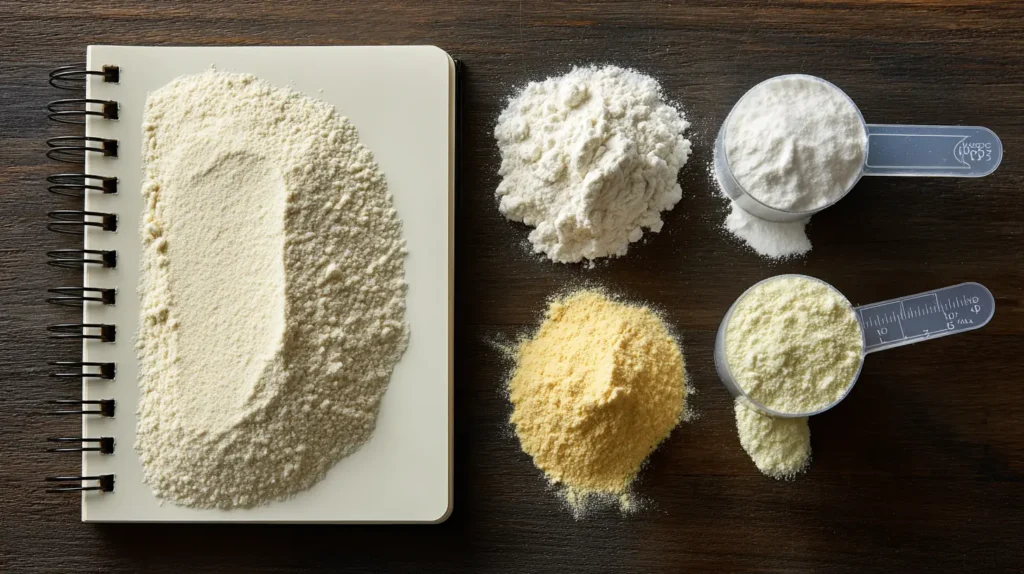
All proteins are not equal when it comes to amino acid profile, muscle preservation, and how they support fat loss. In the comparison of gelatin vs protein for weight loss, gelatin behaves more like a specialized appetite-support tool, while whey, casein, and egg whites work better as full, high-quality protein sources for muscle and recovery.
Gelatin
Gelatin is derived from collagen and is rich in amino acids like glycine and proline, which support connective tissue, skin, and gut health. However, it is low in certain essential amino acids and has a lower overall protein quality score, so on its own it is not considered a complete protein for building or maintaining muscle mass.
On the plus side, gelatin swells and thickens when mixed with liquid and cooled, creating a high-volume, low-calorie texture that can help some people feel fuller on fewer calories. In the context of gelatin vs protein for weight loss, that makes gelatin ideal as a pre-meal “volume” trick rather than your primary daily protein source.
Whey
Whey protein is a complete, fast-digesting protein with all essential amino acids and a very high leucine content, which strongly supports muscle protein synthesis. Several clinical studies show that whey protein can reduce appetite in the short term and support fat loss while preserving lean mass when combined with calorie control and resistance training.
In a straight comparison of gelatin vs protein for weight loss, whey clearly wins for muscle maintenance and overall protein quality. It works well around workouts, at breakfast, or as a snack when you need a quick, filling, high-protein option that also fits into a high-protein diet for weight loss.
Casein
Casein is another dairy protein, but it digests more slowly than whey and forms a gel-like clot in the stomach, leading to a slower release of amino acids over several hours. This slow digestion pattern makes casein particularly useful in the evening or before long gaps between meals, because it can support satiety and reduce overnight muscle breakdown.
Compared with gelatin, casein offers complete protein plus a strong fullness effect, so in the gelatin vs protein for weight loss discussion, casein often works better as a main protein source, especially if you struggle with late-night hunger or nighttime snacking.
Egg Whites
Egg white protein is also high-quality and complete, with a favorable amino acid profile and relatively low calories and fat. Research suggests egg-white protein can support increases in lean mass and reductions in body fat when combined with exercise and an appropriate calorie deficit, making it a strong option in high-protein, low-calorie diet plans.
In the gelatin vs protein for weight loss conversation, egg whites give you a lean, versatile option that works well in omelets, scrambles, baking, and shakes, while gelatin is better reserved for pre-meal drinks or jello-style snacks that help curb appetite without adding many calories.
Satiety & Appetite Control Effects
Protein in general is the most satiating macronutrient, but different protein sources may affect hunger hormones and fullness in slightly different ways. Understanding how gelatin compares to whey, casein, and egg whites for satiety helps clarify where each belongs in a gelatin vs protein for weight loss strategy.
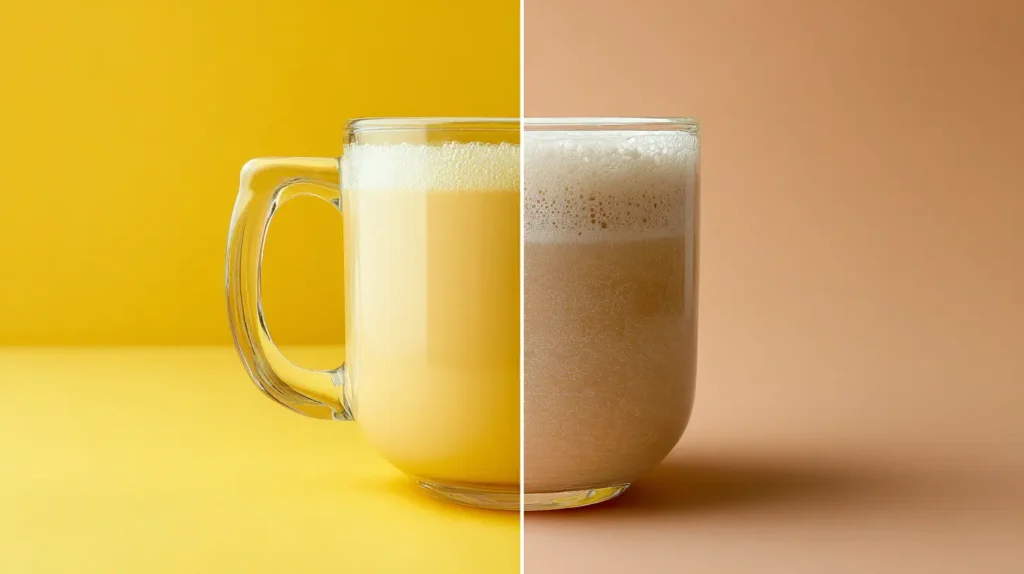
Some small human studies have compared gelatin-based breakfasts to other proteins and found that certain dairy proteins like whey or alpha-lactalbumin can reduce hunger and energy intake more effectively than gelatin at the same calorie level. That suggests gelatin alone is not the strongest satiety protein, even though its thick, gel-like texture and volume can still be helpful for appetite management.
Whey protein has been shown to reduce ghrelin (a hunger hormone) and increase satiety-related signals, which can lead to lower calorie intake later in the day. Casein, thanks to its slow digestion, may support a more sustained feeling of fullness, especially overnight or between widely spaced meals, making it a valuable tool alongside gelatin in a multi-protein weight loss plan.
Egg whites provide solid satiety largely because they are high in protein and low in calories, but they do not have the gelling texture of casein or gelatin. In practice, that means egg whites shine as part of a balanced meal (for example, with vegetables and fiber), while gelatin shines as a small pre-meal add-on in a broader gelatin vs protein for weight loss approach.
When Gelatin Performs Better (and Worse)
Gelatin is rarely the “best” protein from a pure nutrition standpoint, but it can perform better than whey, casein, or egg whites in specific situations related to appetite control and practicality. Thinking of gelatin vs protein for weight loss as a toolbox comparison—not a winner-takes-all contest—helps you use each one more strategically.

- Better as a low-calorie pre-meal volume tool: A warm gelatin drink or chilled gelatin cup before meals can add bulk in the stomach with very few calories, helping you feel satisfied on smaller portions of your main meal.
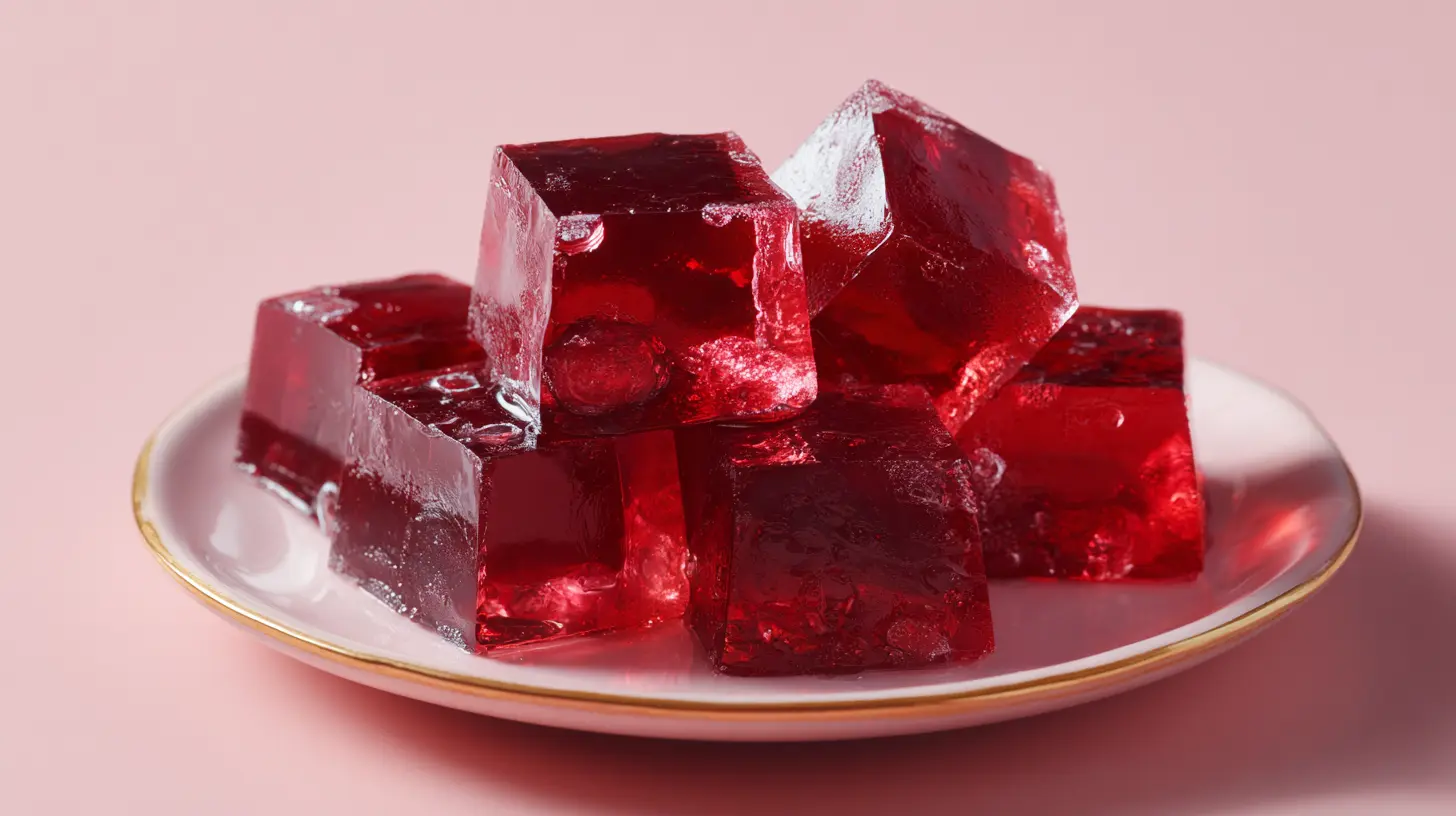
- Better for people who crave “chew satisfaction”: The jello-like texture of a gelatin weight loss recipe can make diet-friendly dessert or snack options feel more satisfying than a thin shake.
- Helpful for joints and connective tissue: Collagen-derived proteins like gelatin may support cartilage and connective tissue when combined with vitamin C and exercise, which can indirectly help you stay active while focusing on fat loss.
However, there are clear situations where gelatin performs worse than other proteins and should not be your primary choice in a gelatin vs protein for weight loss plan:
- Building or preserving muscle: Because gelatin lacks some essential amino acids and has a low protein quality score, it is not ideal as your main protein source if you are lifting weights or trying to maintain lean mass in a calorie deficit.
- Post-workout recovery: Whey or a blend of complete proteins is more appropriate after training, when your muscles need a strong leucine signal and a full set of essential amino acids.
- Meeting daily protein targets: Relying heavily on gelatin makes it harder to hit evidence-based daily protein goals for weight loss, whereas whey, casein, and egg whites make it easier to follow a high-protein diet that supports fat loss and muscle retention.
Which One Should You Choose?
The most effective weight loss strategies usually combine high-protein intake with calorie control, fiber, movement, and sustainable habits. In that context, the best way to think about gelatin vs protein for weight loss is to let complete proteins cover your daily requirements and use gelatin as an add-on tool for appetite and cravings.
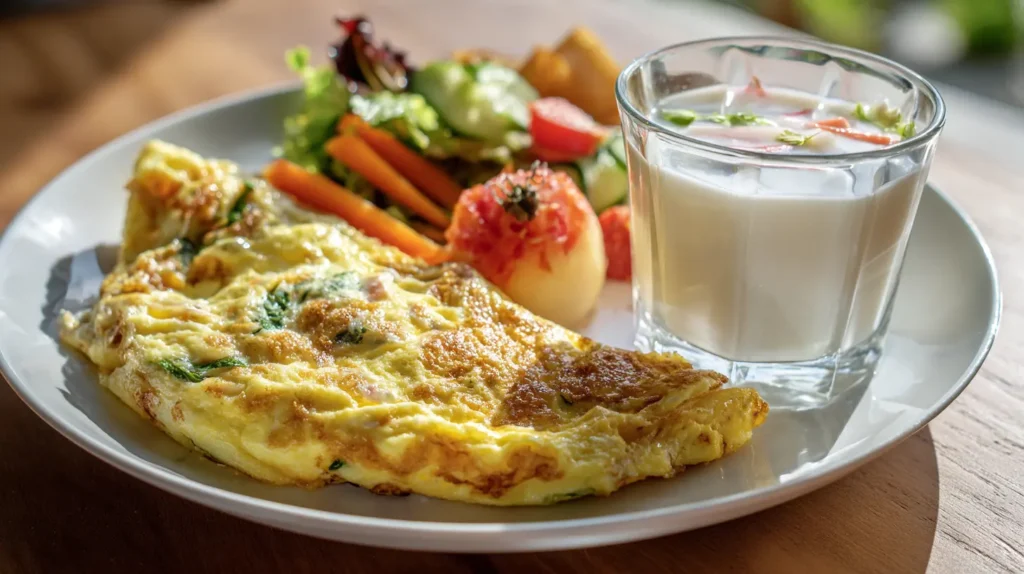
- Choose gelatin if you want a low-calorie pre-meal drink, jello diet style snack, or gelatin appetite suppressant drink that helps you feel fuller on fewer calories and you already get enough complete protein from food or shakes.
- Choose whey if you need a convenient, post-workout or breakfast protein that supports muscle retention, fits a higher-protein diet, and quickly curbs hunger.
- Choose casein if evening hunger and nighttime snacking are your main issues and you want something slow-digesting and filling that pairs well with the gelatin trick.
- Choose egg whites if you prefer whole food–style meals (omelets, scrambles, baking) and want a lean, complete protein option that works with your overall weight loss meal plan.
Many people get the best results by combining them strategically. For example, you can use whey or egg whites to hit your daily protein targets, casein at night for sustained fullness, and a small gelatin drink before larger meals to help with portion control. Used together, this gelatin vs protein for weight loss strategy lets you benefit from the strengths of each protein source without relying on gelatin alone.
FAQ About Gelatin vs Other Proteins for Weight Loss
Is gelatin a good protein source for weight loss?
Is gelatin better than whey protein for fat loss?
No, whey protein is generally more effective than gelatin for preserving muscle and improving body composition during weight loss, while gelatin works better as a small appetite-support tool alongside a balanced, high-protein diet.
Can I use only gelatin instead of other proteins when dieting?
Does adding gelatin to a high-protein diet cause more weight loss than other proteins?
Studies where gelatin was added to a high-protein diet found similar overall weight loss compared with diets using only dairy proteins, suggesting that total protein and calorie balance matter more than whether you use gelatin or milk proteins.
Learn More About the Gelatin Trick
If you want to go deeper into how to prepare a pre-meal gelatin drink, dosage, timing, and safety, read the full guide on gelatin trick for weight loss benefits. That article explains how to make the basic drink, jello cups, and smoothie versions that you can pair with the higher-quality proteins covered in this gelatin vs protein for weight loss comparison.