

Lavender energy drink side effects range from mild digestive upset and drowsiness to more serious problems in high‑risk groups, especially when caffeine and herbs are combined. Understanding lavender energy drink side effects and overall lavender energy drink safety helps you decide whether these drinks fit your daily routine and how they compare with regular canned energy drink side effects. For a complete overview of flavors, benefits, ingredients, and how to make it at home, see our main guide to the lavender energy drink.
This guide explains the most common lavender energy drink side effects, potential lavender drink interactions between lavender and caffeine, who should avoid lavender drinks, and practical safe‑use guidelines. You can then compare these lavender energy drink side effects with your articles on the benefits of lavender energy drink and on lavender energy drink ingredients to get a complete picture of lavender energy drink safety.
Lavender energy drink side effects are partly driven by the lavender itself and partly by the caffeine and other stimulants in the recipe. For a neutral overview of how lavender is used, its potential benefits, and known risks beyond beverage‑level lavender energy drink side effects, you can also reference the NCCIH lavender fact sheet at https://www.nccih.nih.gov/health/lavender.
Mild Lavender Energy Drink Side Effects
At typical beverage doses, the most common lavender energy drink side effects are mild and temporary. Oral lavender preparations (including teas and standardized extracts) can occasionally cause digestive symptoms such as nausea, burping, stomach discomfort, diarrhea, or general digestive side effects, and some people report headache or drowsiness after lavender drinks.
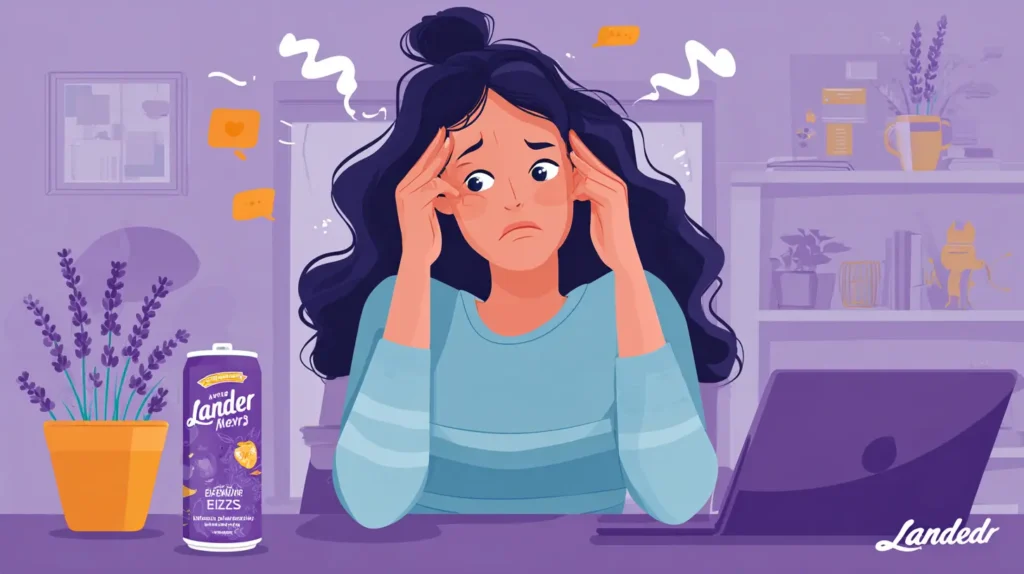
Because these drinks also contain caffeine, lavender and caffeine side effects can overlap with classic energy drink side effects. Even when the caffeine in a natural energy drink comes from green tea or yerba mate, drinking too much can lead to jitteriness, restlessness, rapid heartbeat, or difficulty sleeping, especially if you consume lavender drinks late in the day. People who are caffeine‑sensitive may notice lavender energy drink side effects like jitteriness or feeling “on edge” even at modest serving sizes.
Some readers also notice changes in mood or alertness as part of their personal lavender energy drink side effects profile. While many enjoy a calm‑focus feeling, others may feel slightly wired, foggy, or “off” if they stack several caffeinated products with a lavender energy drink in a short time. Keeping a simple journal can help you spot any repeating lavender energy drink side effects such as headache, drowsiness, digestive upset, anxiety spikes, or sleep problems.
Serious Interaction Warnings
Lavender acts on the nervous system in a calming way, which is why many people use lavender drinks for stress, sleep, or anxiety. That same calming effect means oral lavender may enhance drowsiness when taken together with sedatives, sleep medications, anti‑anxiety drugs, or other central nervous system depressants, which can turn otherwise mild lavender energy drink side effects into more serious issues.

On the stimulant side, high total caffeine intake from multiple beverages can aggravate heart rhythm problems, elevate blood pressure, trigger palpitations, or worsen anxiety and panic symptoms. For heart patients or anyone with cardiovascular disease, negative effects of energy drinks can outweigh any benefits, and adding lavender does not remove these risks. In these groups, lavender energy drink side effects may include dangerous heart or blood pressure changes.
Multi‑ingredient formulas that mix caffeine with other stimulants, vitamin megadoses, or potent herbal extracts make it harder to predict individual lavender energy drink side effects. Because labels can be complex, anyone on prescription medication for mood, sleep, seizures, blood pressure, or heart rhythm should treat lavender energy drinks like a supplement, and ask a professional whether these combinations are appropriate for them.
Who Should Avoid Lavender Drinks
Certain groups are usually advised to avoid, or be very cautious with, lavender drinks—especially when they are marketed as energy drinks. Lavender energy drink pregnancy safety is not well‑established, and many sources recommend that pregnant and breastfeeding people avoid strong herbal blends and oral lavender supplements because of limited human data and possible hormonal effects. For them, the potential lavender energy drink side effects and unknowns outweigh any claimed benefit.

Anyone with a known lavender allergy, a history of strong reactions to herbal products, or hormone‑sensitive conditions (such as some breast, ovarian, or uterine conditions) should also be very careful. For these readers, lavender energy drink side effects could be more intense, and getting personalized guidance before trying lavender drinks for stress or mood is the safest route.
On the stimulant side, children and teenagers, people with heart disease or heart rhythm problems, those with uncontrolled high blood pressure, seizure disorders, or a history of panic attacks are often advised to limit or avoid energy drinks altogether. For them, caffeine side effects from energy drinks and sugar load may present more risk than benefit, regardless of the lavender. In these groups, lavender energy drink side effects are best avoided by skipping energy‑style products entirely and choosing caffeine‑free lavender teas only if cleared by their clinician.
FAQ About Lavender Energy Drink Side Effects
Are lavender energy drinks safe to drink every day?
For most healthy adults, an occasional lavender energy drink is unlikely to cause serious harm, but daily use adds up your total caffeine and herbal load. It is safer to keep overall caffeine around commonly cited limits (about 400 mg per day for most adults) and watch for symptoms like headache, digestive upset, or sleep problems as signs to cut back.
What are the most common lavender energy drink side effects?
The most frequently reported side effects of oral lavender products are digestive issues (constipation, diarrhea, stomach discomfort), headache, and drowsiness. When combined with energy‑drink levels of caffeine, people may also experience jitteriness, anxiety, faster heart rate, and trouble sleeping.
Can lavender energy drinks cause anxiety or make it worse?
Lavender itself is often used for mild anxiety, but the high caffeine content typical of energy drinks can trigger or worsen anxiety, restlessness, and palpitations in sensitive people. If you are prone to anxiety or panic attacks, a lavender‑flavored tea or low‑caffeine option is usually safer than a full‑strength energy drink.
Are lavender energy drinks safe during pregnancy or breastfeeding?
There is not enough high‑quality data to confirm that oral lavender in supplement‑like doses is safe in pregnancy or breastfeeding, and some sources recommend caution because of possible hormonal effects. Because energy drinks themselves are often discouraged in pregnancy due to caffeine and other additives, most official and clinical resources suggest avoiding lavender energy drinks in these life stages unless a healthcare professional specifically approves them.
Who should not drink lavender energy drinks at all?
People with heart disease, uncontrolled high blood pressure, certain heart rhythm problems, seizure disorders, or a history of severe anxiety are often advised to avoid energy drinks in general because of stimulant risks. In addition, anyone with known lavender allergy, hormone‑sensitive conditions, or those taking sedative medications should be cautious or avoid lavender beverages unless cleared by a clinician.
How many lavender energy drinks are safe per day?
Most public‑health and clinical sources frame limits around total caffeine rather than a specific brand, with about 400 mg per day as a commonly cited upper limit for healthy adults. In practice, that usually means no more than one standard energy drink per day—and fewer if you also drink coffee, tea, or soda—while monitoring for lavender‑related side effects like digestive issues, headache, or unusual sleepiness.
Can lavender energy drinks interact with medications?
Lavender can add to the sedating effects of drugs that slow the central nervous system, including some sleep aids, anti‑anxiety medications, and anesthesia. Because energy drinks also stress the cardiovascular and nervous systems, people on heart, blood pressure, seizure, or psychiatric medications should ask their doctor or pharmacist before using lavender energy drinks regularly.
Safe Consumption Guidelines
For most healthy adults, general guidance suggests keeping total daily caffeine intake (from coffee, tea, soft drinks, and energy drinks combined) around 400 mg or less. In practical terms, that often means treating a lavender energy drink as one of your main caffeine servings for the day rather than stacking it on top of several coffees and sodas. Watching your caffeine ceiling is one of the simplest ways to prevent more intense lavender energy drink side effects.

On the herbal side, culinary‑level amounts of lavender used in teas and foods are generally considered likely safe short‑term for healthy adults. If a product uses concentrated extracts, multiple herbs, or is marketed as a strong lavender drink for anxiety or sleep, it is sensible to start with half a serving and watch for lavender energy drink side effects like digestive upset, headache, unusual drowsiness, or changes in mood, blood pressure, or heart rate. Stop using the drink and speak with a professional if you notice consistent or worsening lavender energy drink side effects.
Simple habits can further improve lavender energy drink safety: avoid drinking them on an empty stomach, do not mix them with alcohol, and avoid taking them close to bedtime if you struggle with insomnia or lavender drink sleep problems. Be especially careful about combining them with other high‑caffeine products or sedative medications, and remember that safe caffeine intake per day is cumulative across everything you drink, which directly influences lavender energy drink side effects.
To help readers see the full picture, end your article with clear internal links: send them to your main guide on the benefits of lavender energy drink if they want to understand the upside, and to your lavender energy drink ingredients breakdown if they want to double‑check labels and specific components. Together, these pages create a strong hub around lavender energy drink side effects, ingredients, benefits, and overall lavender energy drink safety.












1 thought on “Lavender Energy Drink Side Effects”